
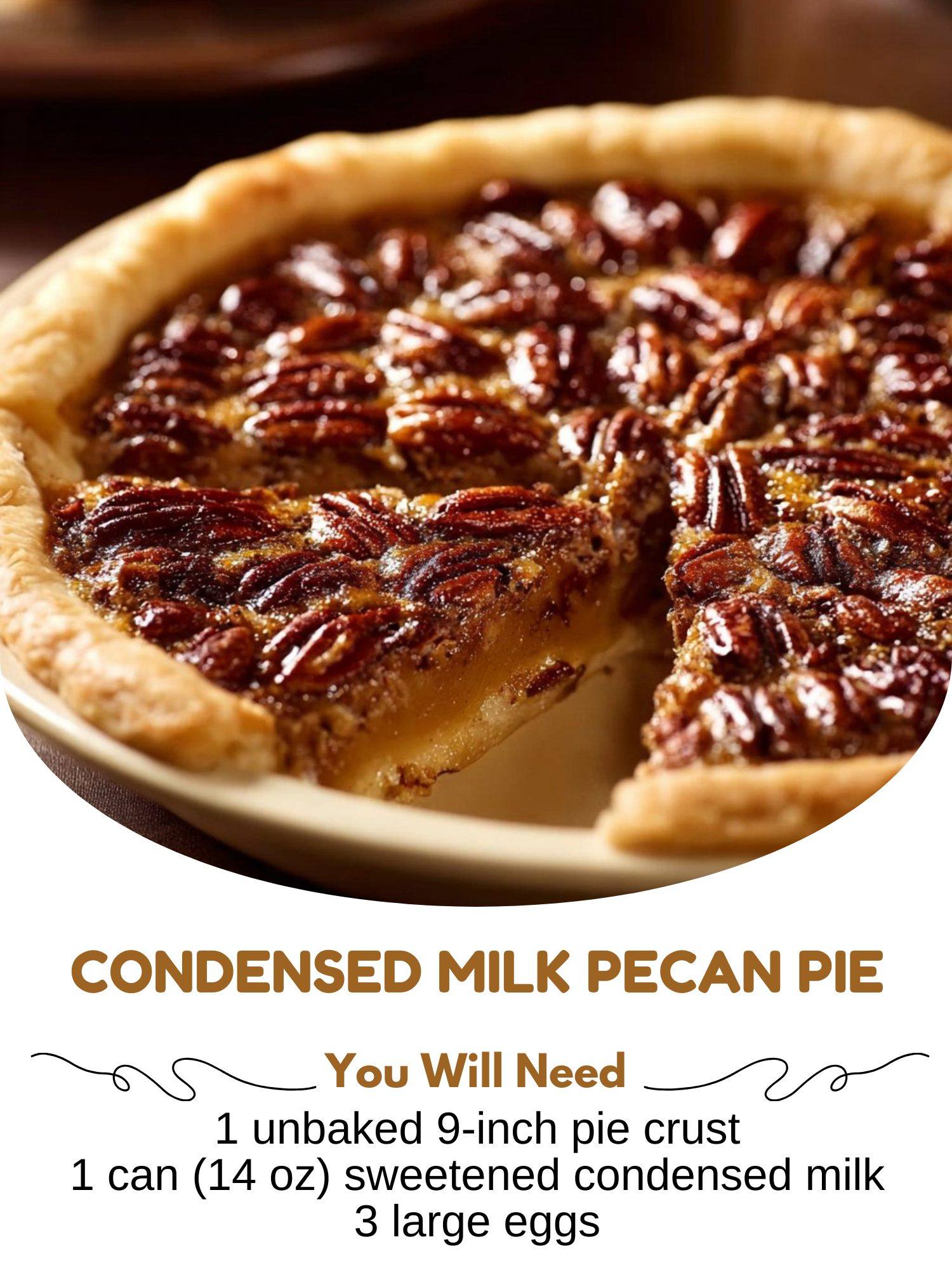
Now for assembly. I scatter the toasted pecan halves evenly over the bottom of the warm, par-baked crust. Then, I slowly and gently pour the rich filling over the pecans. The pecans will float and rearrange themselves, which is fine. I use a spatula to gently ensure the filling is evenly distributed. I place the filled pie on a rimmed baking sheet (to catch any potential bubble-overs) and bake it on the center rack for 40-50 minutes. The pie is done when the filling is set around the edges but still has a very slight, gentle jiggle in the very center—like Jell-O. It will continue to set as it cools.
Pro Tips for Best Results
I tested three different ways of adding the pecans: mixing them into the filling, arranging them on top of the poured filling, and placing them in the crust first. Placing them in the crust first is the winner. Pouring the filling over them ensures they get coated and suspended throughout the pie, rather than all sinking to the bottom or all floating on top. It gives you a perfect distribution of nuts in every slice.
To prevent the crust edges from over-browning, I use a pie crust shield or make one from foil. About 20-25 minutes into the final bake, when the edges look golden, I loosely tent them with foil. This allows the filling to finish cooking without the crust burning. I learned this the hard way with a few too-dark edges in my early attempts. It’s a simple step for a perfectly golden finish.
For the absolute cleanest cuts, this pie must cool completely. I let it cool on a wire rack for at least 4 hours, but ideally overnight. The filling needs this time to fully set up. Cutting into a warm pie, no matter how set it looks, will result in a gooey, messy slice. The patience for a full cool-down rewards you with picture-perfect slices that hold their shape.
Common Mistakes to Avoid
My first mistake was skipping the blind bake. I poured the rich, wet filling directly into an unbaked crust. The result was a bottom crust that was pale, soggy, and almost raw under the dense filling. That initial 20-minute par-bake creates a protective barrier that ensures a crisp, flaky foundation. Don’t do what I did—it’s a crucial step.(See the next page below to continue…)