
Common Mistakes to Avoid
My first-ever batch failed because I used a thin, lightweight pot. The sugar burned on the bottom before the rest of the mixture reached the right temperature, leaving me with a bitter, scorched batch. A heavy-bottomed saucepan distributes heat evenly and is absolutely essential. Don’t try to make do with a flimsy pot.
Stirring the mixture after it comes to a boil is the most common error. I did this, tempted to keep it from sticking, and I ended up with a grainy, crystallized texture. Once it boils, put down the spatula and just let it do its thing, with an occasional gentle swirl of the pan.
Not using a thermometer or misreading it is a sure path to disappointment. “Hard crack” isn’t a guess; it’s a specific temperature. If you don’t cook it long enough, it’s chewy. If you cook it too long, it’s bitter and burnt. Trust the science of the thermometer—it never lies.
Pouring the toffee onto an unlined or ungreased pan is a nightmare. I once tried buttering a pan, thinking it would be fine. It was not. The toffee welded itself to the metal. Parchment paper or a silicone mat provides a perfect, non-stick surface for easy removal and clean-up. Don’t skip this simple step.
Serving Suggestions
I love packing this toffee in pretty cellophane bags tied with ribbon for homemade gifts. It looks professional and feels so much more personal than a store-bought box. I always get asked for the recipe!
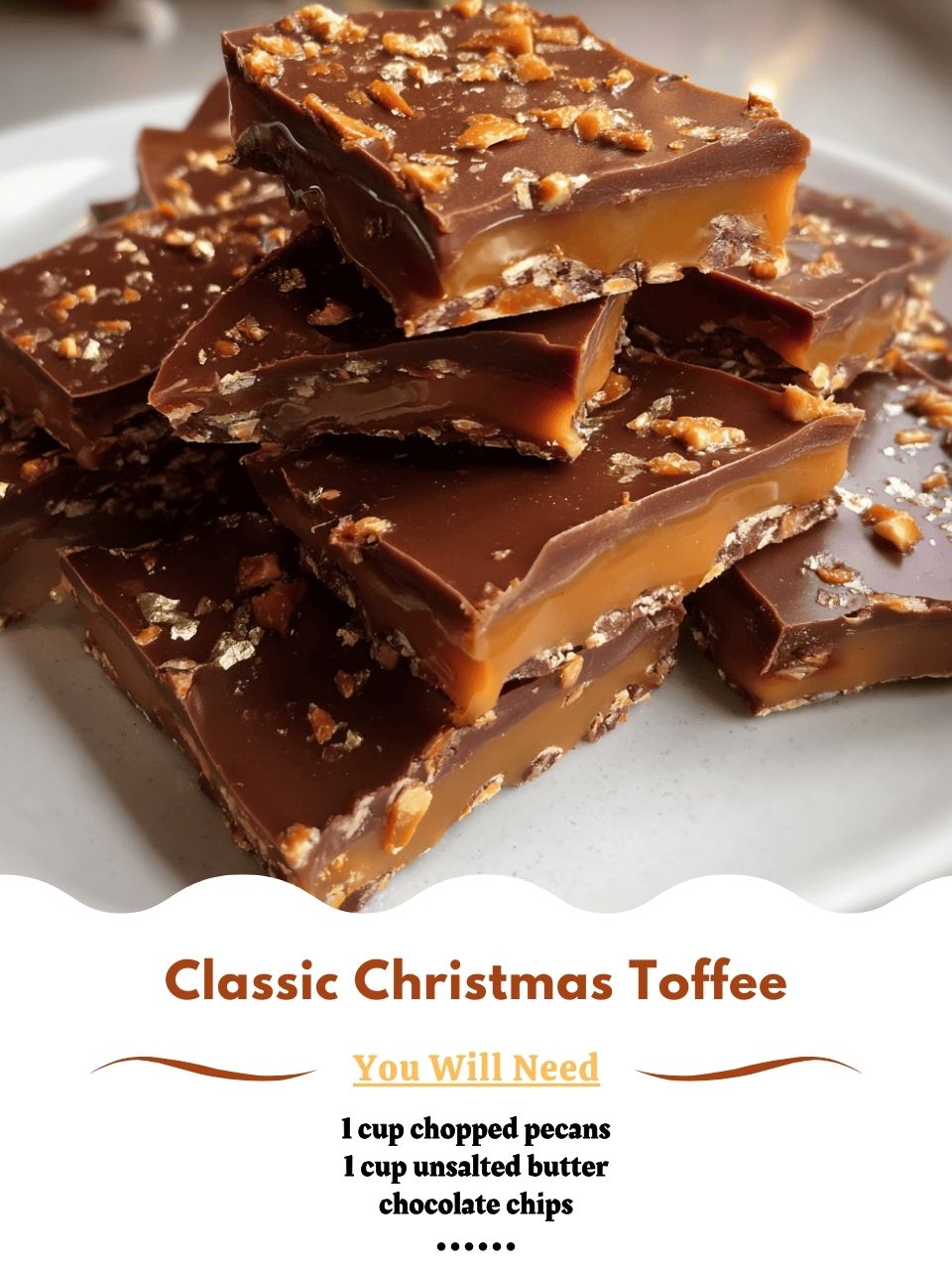
For holiday parties, I pile the broken pieces high in a glass bowl or on a decorative platter. It’s a stunning centerpiece that guests can’t resist. It pairs beautifully with after-dinner coffee or a glass of dessert wine.
I also keep a secret stash in the kitchen for us to enjoy with a cup of tea or hot cocoa during a cozy movie night. The satisfying snap and rich flavor make it the perfect sweet treat to nibble on.
Variations & Customizations
For a different nut profile, try using toasted almonds or hazelnuts. I especially love hazelnuts with dark chocolate for a more sophisticated, European flair. Just keep the total measurement the same.
You can switch up the chocolate! Use milk chocolate for a sweeter treat, or dark chocolate (70%) for a more intense, bittersweet contrast. I’ve even done a half-and-half swirled pattern with white and dark chocolate for a festive look.
For a fun twist, sprinkle a little flaky sea salt over the chocolate layer right after you add the nuts. The sweet-salty combination is absolutely addictive. You can also mix a teaspoon of instant espresso powder into the chocolate chips before melting for a mocha hint.
How to Store, Freeze & Reheat
Once completely cool and broken, store the toffee in an airtight container at room temperature. I layer it between sheets of parchment paper. In a cool, dry place, it will stay perfectly crisp and delicious for 2-3 weeks. Humidity is its enemy, so avoid storing it in the fridge unless your kitchen is very warm.
You can freeze this toffee very successfully. Place the pieces in a single layer in an airtight container separated by parchment paper. It will keep for up to 3 months. Thaw at room temperature, still in the container, to prevent condensation from making it sticky.
There is no need to reheat toffee. It is meant to be enjoyed at room temperature for that perfect crisp texture. If it softens slightly, simply let it sit in a cool, dry place and it will re-crisp.
Conclusion
This Classic Christmas Toffee is more than a candy; it’s an edible piece of holiday cheer. The process is rewarding, the result is spectacular, and sharing it always brings smiles. I hope this recipe becomes a cherished, crackly-sweet tradition in your home, filling your kitchen with its wonderful aroma and your holiday with delicious joy. Happy candy-making