
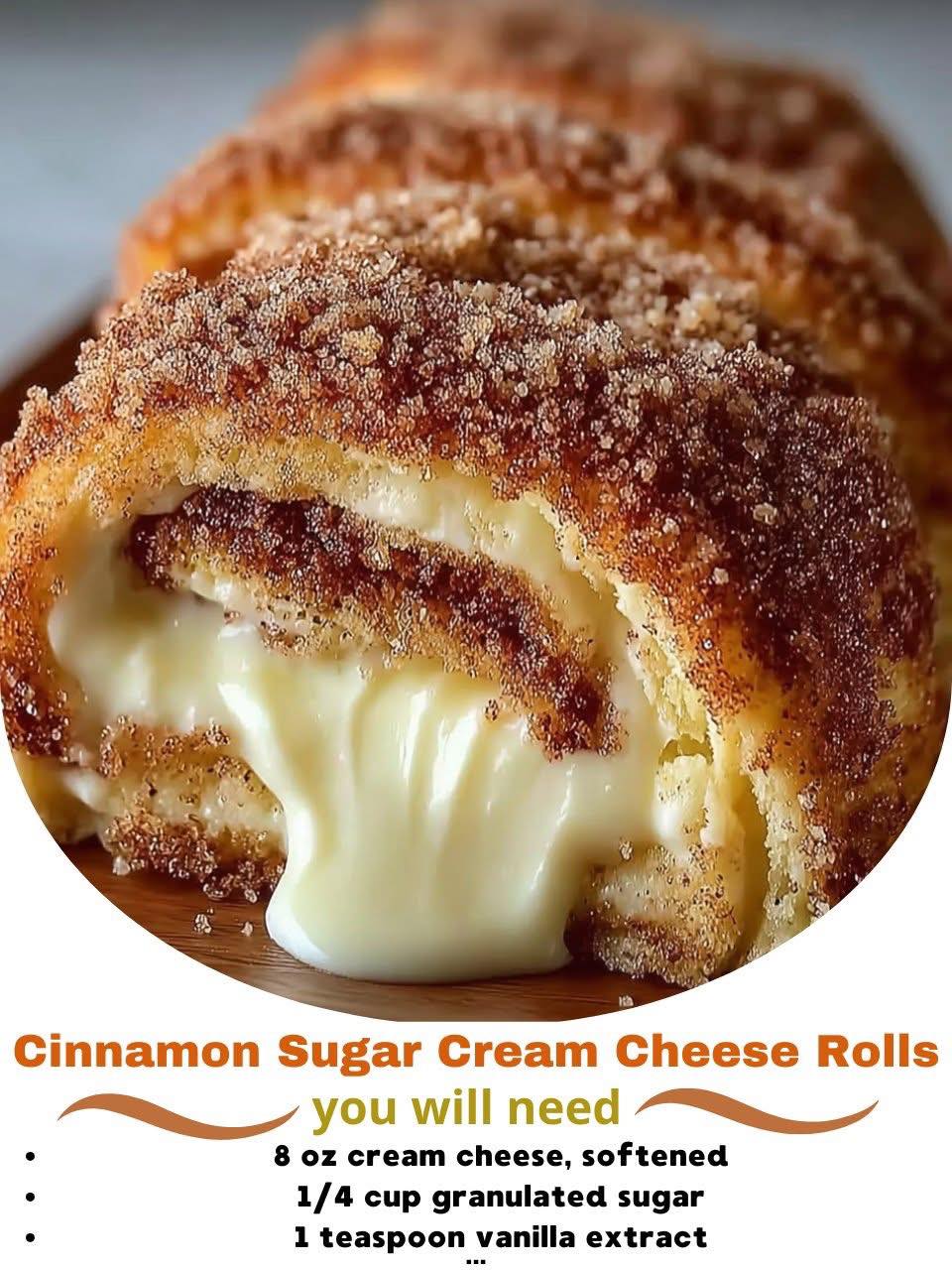
I place each coated roll on the prepared baking sheet, leaving about an inch and a half between them for slight spreading. I then bake them for 12-15 minutes. The smell is incredible. I watch for them to become a deep, golden brown; the sugar coating will look crackly and caramelized. The first time I made these, I underbaked them, leaving the center dough a bit gummy. Now I know they need that full color for the dough to cook through perfectly. I pull them from the oven and let them cool on the sheet for just 2 minutes before transferring them to a cooling rack. This stops the bottoms from steaming and getting soggy.
Pro Tips for Best Results
For the easiest, cleanest rolling, chill your filled dough logs for 15 minutes before coating and baking. After I roll the strips into logs, I place them all on a plate and pop them in the freezer for a short spell. This firms up the cream cheese and butter in the dough, preventing any oozing during the butter-brushing step and helping them hold their perfect round shape in the oven. I tested this with and without chilling, and the chilled rolls were noticeably neater.
To ensure every roll is equally coated and bakes evenly, use a standard tablespoon cookie scoop for the cream cheese filling. This guarantees each roll has the same amount, so they all bake at the same rate. Eyeballing it can lead to some rolls being underfilled and others bursting. I also use a pastry brush to apply the melted butter; dipping can make the logs too soggy and cause the sugar coating to clump.
For an extra layer of flavor and a beautiful finish, reserve a tablespoon of your cinnamon sugar. After brushing the unbaked rolls with butter and coating them, sprinkle this reserved sugar lightly over the tops before they go in the oven. It creates an extra-sparkly, crisp top crust that’s absolutely divine. This tiny step elevates them from great to bakery-worthy.
Common Mistakes to Avoid
The most common mistake is using cold cream cheese. I did this in my first attempt, thinking a few seconds in the microwave would do the trick. It created a warm, watery mess that was impossible to spread and leaked everywhere in the oven. Don’t do what I did! Plan ahead and let your brick of cream cheese sit on the counter until it’s spreadable and soft to the touch.(See the next page below to continue…)