
Pro Tips for Best Results
One tip I learned early on is that dough consistency is everything. If the dough feels too wet, it will spread and warp when drying. Adding more cinnamon fixes it instantly. If the dough is too crumbly, more applesauce brings it back together. Don’t be afraid to adjust as you go—this dough is forgiving and responds quickly to changes.
Another helpful tip is to flip the ornaments halfway through drying, even if you’re air-drying. The first time I made them, I let them dry untouched, and the bottoms stayed slightly damp and uneven. Flipping ensures they dry uniformly and prevents curling. It also helps them maintain a smooth, professional look that lasts for years.
Using parchment paper or a silicone mat is essential. I once tried rolling the dough directly on my countertop and it stuck terribly, pulling the ornaments out of shape. Parchment paper keeps the dough clean and controllable. Dusting the paper with cinnamon adds even more scent and helps prevent sticking.
Finally, don’t skip sanding rough edges before the ornaments dry completely. I usually do this about an hour into air-drying, when they’re firm enough to handle but still soft enough to shape. Just a little smoothing with your fingertip or the back of a spoon gives the ornaments a polished, finished appearance.
Common Mistakes to Avoid
The biggest mistake is rolling the dough too thin. Thin ornaments crack easily, curl at the edges, and break during storage. I made this mistake when I was impatient and tried to maximize the number of ornaments from one batch. Now I always aim for thicker dough—it makes a world of difference in durability.
Another common mistake is forgetting to poke the hanging hole before drying. Once, I baked an entire tray of beautiful gingerbread-shaped ornaments and realized right as I took them out that I’d forgotten the holes. I tried poking one while still warm and cracked it clean in half. Ever since, I line them up and double-check all the holes before drying.
A third mistake is using wet applesauce. Some store brands are much runnier than others, and watery applesauce leads to dough that spreads instead of holding shape. If your applesauce looks loose, strain it briefly with a fine sieve or add extra cinnamon until the dough feels firm and moldable.
The final mistake is rushing the drying process with too much heat. High temperatures can cause the ornaments to puff, crack, or darken unevenly. Slow, low drying works best—either a long air-dry or a low oven setting with lots of patience.
Serving Suggestions
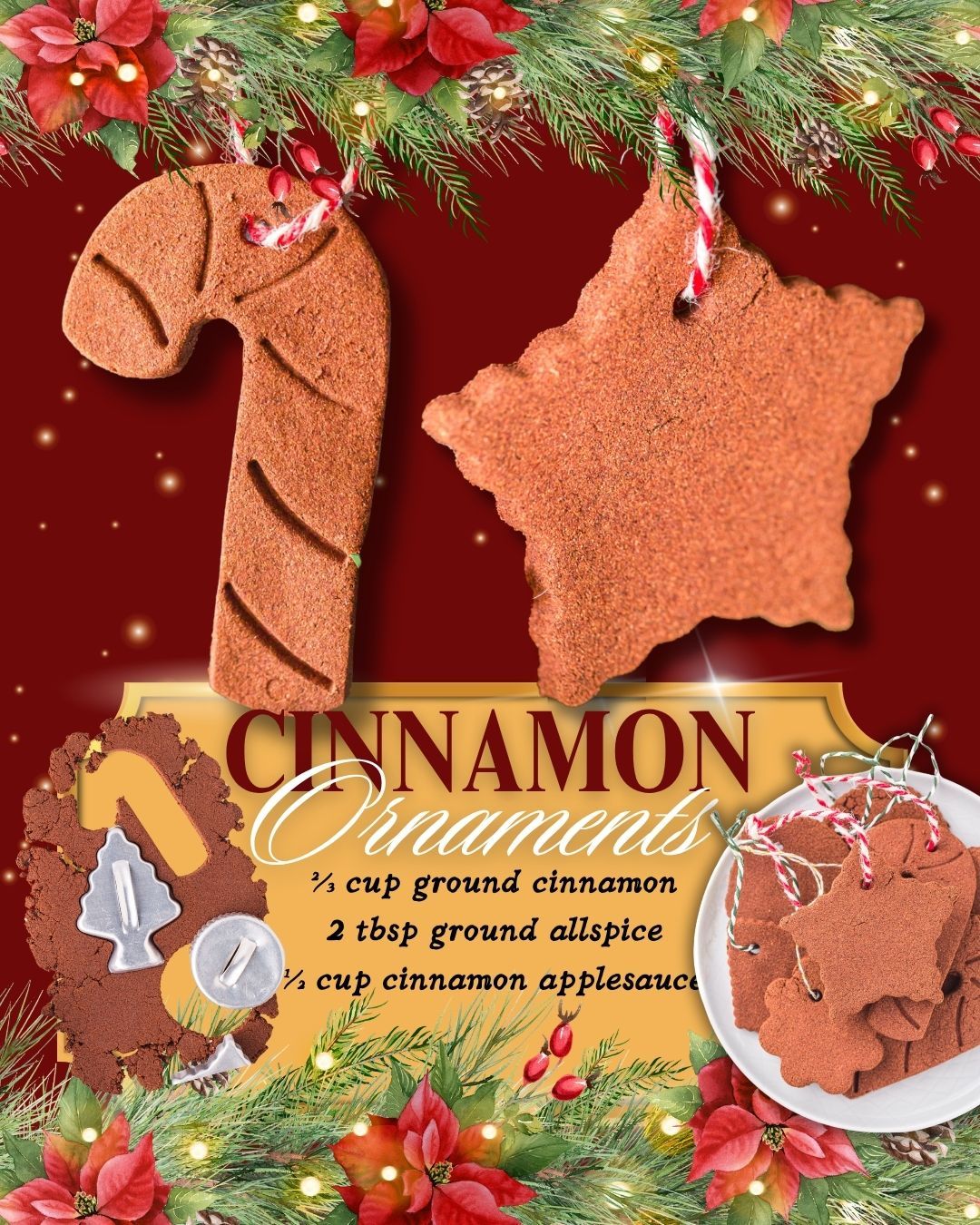
Even though you can’t eat cinnamon ornaments, I still think of “serving” them in terms of presentation because the way you display them can transform your holiday décor. I love tying them with red or twine ribbon and hanging them on my Christmas tree. Every time I walk past, I get a faint cinnamon scent that makes my home feel warm and festive.
I also use them as gift toppers. Adding a handmade cinnamon ornament to a wrapped present makes the gift feel thoughtful and personalized. I’ve seen people save these ornaments from gifts for years—it becomes a sweet, sentimental keepsake they bring out every holiday season.
One of my favorite “serving” ideas is creating a bowl of cinnamon ornaments as a natural potpourri. Placed in a wooden bowl on the coffee table, they add a cozy scent without using candles or sprays. I sometimes tuck a small pine branch or dried orange slice among them to enhance the fragrance and aesthetic.
Lastly, I like displaying them on wreaths or garlands. The rustic look pairs beautifully with winter greenery. When clustered together, the ornaments create a charming, old-fashioned style that feels homemade, heartfelt, and timeless.
Variations & Customizations
One variation I absolutely love is adding glitter—not too much, just a subtle dusting around the edges. If you do this, make sure it’s craft glitter, not edible glitter, and brush it on before the ornaments dry. It adds a beautiful sparkle when lights hit the tree.
You can also tint the dough slightly using natural powders like cocoa or turmeric. Cocoa darkens the dough into a deep, chocolatey brown, while turmeric adds a warm golden tone. These subtle tints help differentiate ornament designs if you’re making multiple patterns.
Another fun variation is stamping designs into the dough. I’ve used holiday cookie stamps, rubber stamps, and even textured fabrics to create patterns. Pressing the design gently into the dough before cutting gives the ornaments an artistic, handcrafted look.
You can also experiment with shapes—classic stars and hearts are great, but I’ve made trees, snowflakes, ornaments, bells, and even personalized initials. Once dry, you can paint small details with acrylic paint if you want an extra decorative touch.
How to Store, Freeze & Reheat
Because CINNAMON ORNAMENTS are non-edible, storage becomes more about preservation than freshness. I always store mine in a cool, dry place, separated by tissue paper or parchment so they don’t rub against each other and flake. A sturdy box—like a holiday ornament storage box or even a shoebox—works perfectly.
They do not freeze well, and there’s no reason to freeze them. Moisture from freezing or thawing can weaken the dough or cause cracking. Instead, focus on keeping them away from humidity. A small silica gel packet in the storage box does wonders for preventing moisture damage.
Reheating doesn’t apply here, but you can refresh their scent. Over time, the cinnamon aroma naturally fades. I like to place one drop of cinnamon essential oil on the back of the ornament and let it absorb overnight. It brings back that warm, holiday fragrance beautifully.
If your ornaments become dusty or dull, gently wiping them with a dry cloth helps. Never use water—water can soften the dough and damage the surface. The better you store them, the longer they will last; I still have ornaments from five years ago that look just as charming as the day I made them.
Nutrition Information
Since these ornaments are non-edible, I always remind people that the “nutrition” here is more about safety and material breakdown, not calories or serving sizes. The dough contains cinnamon, applesauce, and glue, making it completely unsuitable for consumption. I label containers clearly when storing them around food items so there’s no confusion.
One important thing to understand is that cinnamon ornaments can shed tiny particles as they age. This is normal for a dried spice-based material. If you or someone in your home has cinnamon sensitivity, handling the ornaments with care or wearing gloves can help. They’re perfectly safe for most people but shouldn’t be used as toys or chewed on by pets.
From a longevity standpoint, cinnamon ornaments hold up remarkably well when stored properly. The glue strengthens the dough so it doesn’t crumble easily. Over time, the color may deepen slightly or develop a rustic patina, which I personally love—it gives them antique charm. As long as they remain dry, they can last many holiday seasons.
Environmentally, cinnamon ornaments are a lovely, eco-friendly alternative to plastic or synthetic holiday decor. The ingredients are biodegradable, and if you ever need to discard them, they break down naturally. They’re safe for indoor air quality since they rely on natural fragrance rather than chemical scents.
FAQ Section
1. Can I make these without glue?
Yes, and I’ve done it many times, but they’re slightly more fragile. If you want ornaments that last for years, adding glue makes them stronger and less prone to cracking.
2. How long do cinnamon ornaments take to dry?
Air-drying takes about 48 hours, while baking at low heat takes around 2 hours. I personally prefer air-drying because the scent stays stronger.
3. Can kids help make these?
Absolutely! Kids love rolling the dough and cutting shapes. Just remind them the dough isn’t edible, even though it smells like cookies.
4. Why are my ornaments cracking?
Cracks usually mean the dough was too dry or rolled too thin. Add a little applesauce to the dough, or roll thicker next time.
5. How long do cinnamon ornaments last?
With proper storage, these ornaments can last for many years. I have some that are over five years old and still look fantastic.
Conclusion
CINNAMON ORNAMENTS have become one of my favorite holiday traditions because they combine creativity, cozy aromas, and simple ingredients to create something heartfelt and long-lasting—and every time I make them, my home fills with that warm holiday magic that reminds me why handmade traditions matter so much.