
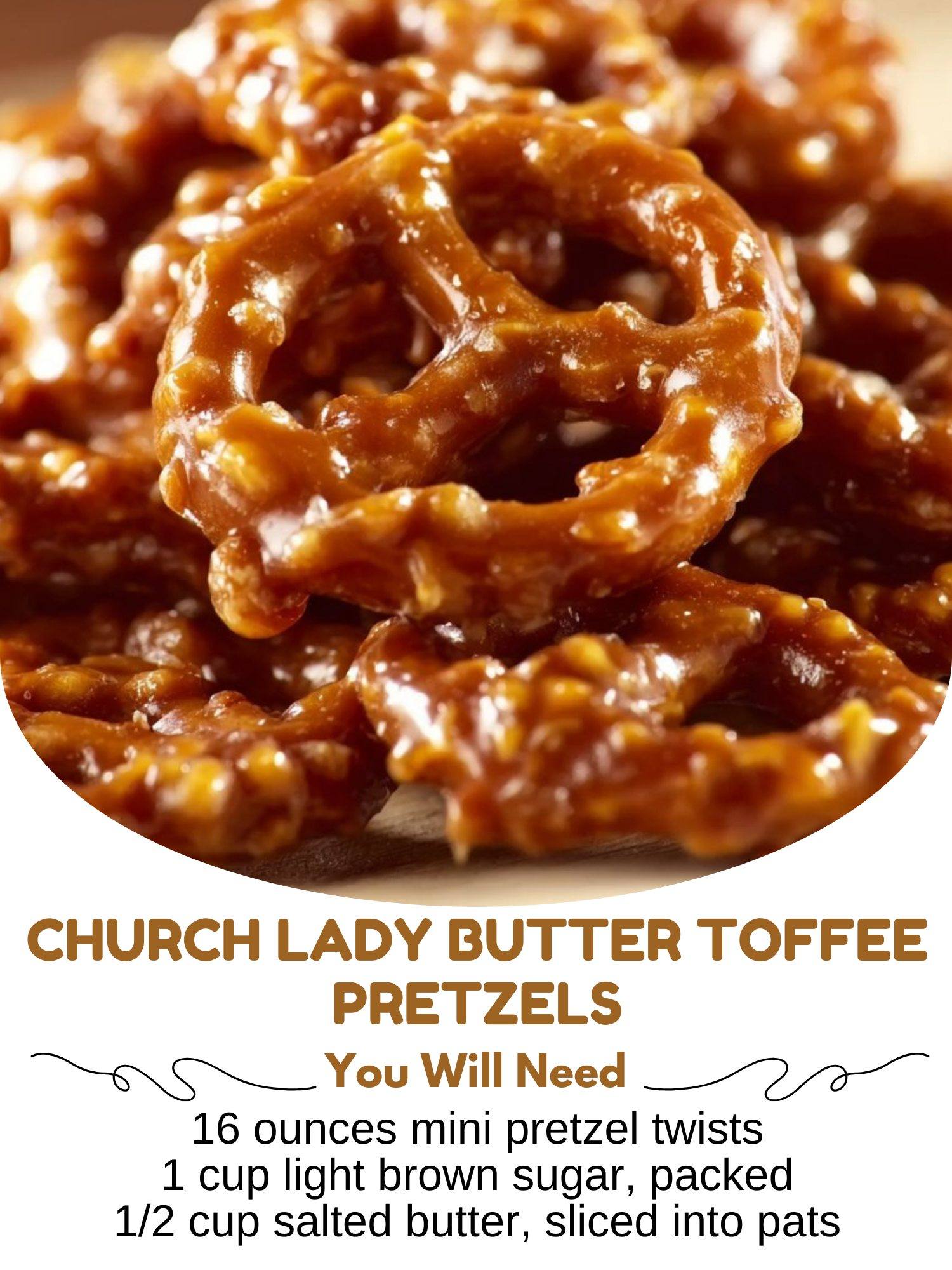
Once they’re coated as best I can, I slide the pan into a preheated 350°F (175°C) oven. I set my timer for 7 minutes. This short bake is crucial—it reactivates the toffee, letting it seep into the pretzels and become crackly. When the timer goes off, the pan will be bubbling fiercely. I take it out and place it on a wire rack. This is the most important step: DO NOT TOUCH THEM. Let them cool completely in the pan. If you try to separate them while hot, you’ll get a sticky, broken mess. As they cool, the toffee hardens into that perfect, snappy, buttery shell.
Pro Tips for Best Results
I tested the cooling process three different ways: at room temperature, in the fridge, and by trying to speed-cool the pan on a cold porch in winter. Room temperature cooling is king. It allows the toffee to set slowly and evenly, creating that perfect snap. Fridge cooling can cause condensation, making the toffee slightly sticky. The porch method worked but risked the toffee becoming too hard. Patience at room temp yields the ideal texture.
For an extra layer of flavor and a professional finish, I always add one more step after the pretzels have baked and are still hot. I sprinkle them with a very light, even dusting of flaky sea salt. The heat helps it adhere. This intensifies the salty-sweet contrast beautifully. I’ve tried Maldon salt and regular kosher salt, and the flaky Maldon gives little bursts of salinity that are truly next-level.
If you want perfectly separated clusters, here’s my trick: about 10 minutes into the cooling process, when the toffee is partially set but still slightly pliable, I use two forks to gently break apart any large clumps. This gives you more individual pieces and prevents a giant, hard-to-serve brick. If you wait until they’re fully cold, they’re locked together for good. Timing is everything.
Common Mistakes to Avoid
My first-time mistake was using a thin, cheap saucepan. The direct, high heat caused the sugar to scorch on the bottom before the butter was fully melted, giving the whole batch a bitter, burnt undertone. Now, I use a heavy-bottomed saucepan on a steady medium heat. It distributes the heat evenly and gives you a larger margin for error. This one piece of equipment advice can save your batch.(See the next page below to continue…)