
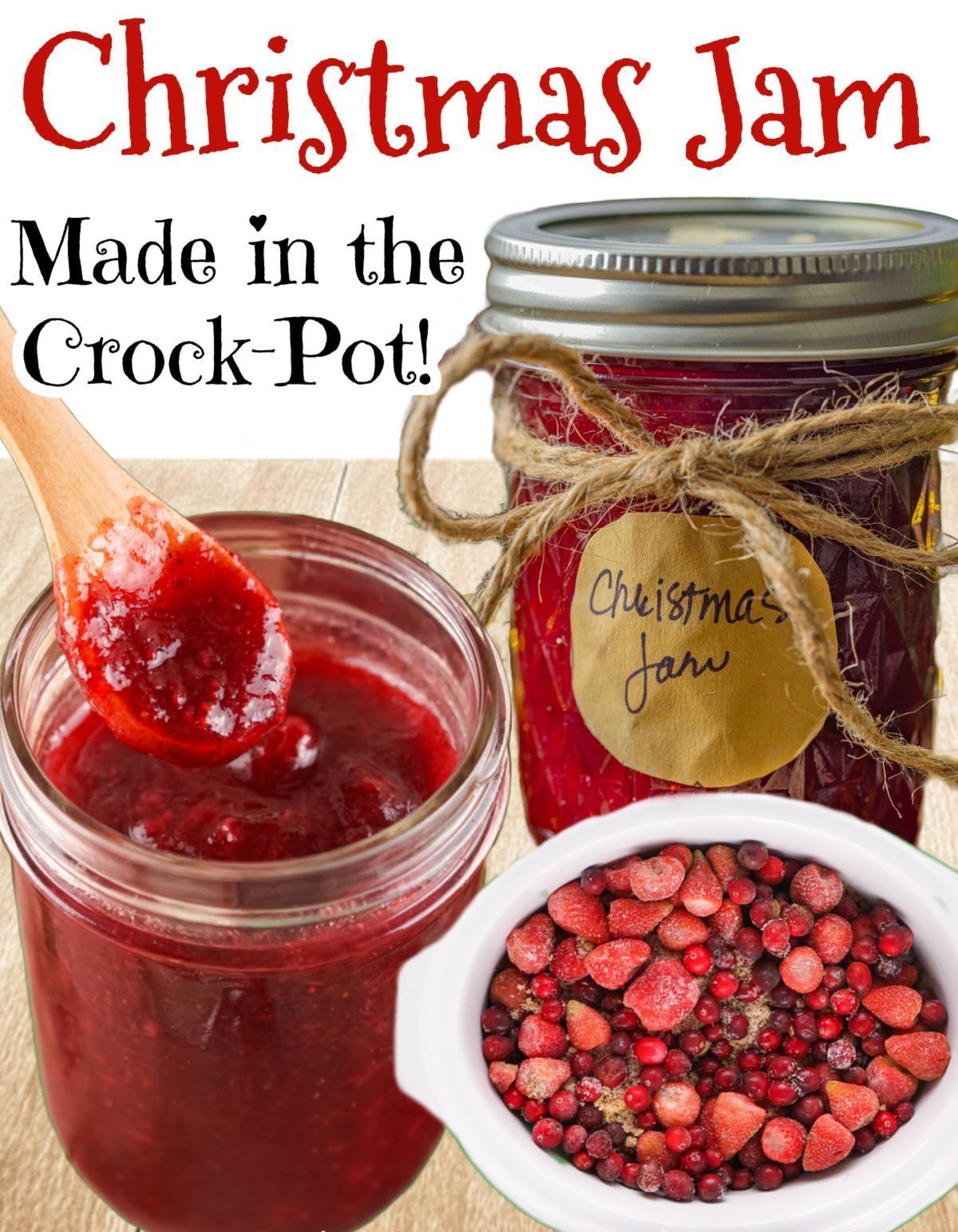
Finally, I squeeze in the pouch of pectin and stir it quickly to incorporate. The mixture will bubble up a little more, which is totally normal. I let it cook for another minute, then remove it from the heat. At this point, the jam is thick, glossy, and absolutely stunning. I carefully ladle it into jars, wipe the rims, seal them, and let them cool on the counter until set.
Pro Tips for Best Results
One thing I learned from making this jam many times is to taste your strawberries before using them. If they’re very sweet, the jam will be sweeter; if they’re bland, the cranberries will take over. Adjusting just a tablespoon or two of sugar can help balance everything perfectly. It took a few batches before I figured out how big a difference fruit sweetness makes.
Another tip: don’t walk away from the stove once you add the sugar. Sugar burns fast, and once it scorches, there’s no saving the jam. I hover nearby with a spoon in hand, giving it a gentle stir every minute or so until the mixture is boiling again. Trust me, the extra attention saves you from a ruined batch.
If you want a slightly thicker jam, you can let it simmer an extra two or three minutes after adding the pectin. I tested this three different ways, and those extra minutes make the jam richer and thicker without turning it into a solid mass. Just don’t over-boil it—you want spreadable, not sliceable.
Lastly, always use sterilized jars. I know it’s not the most glamorous part of the process, but it’s essential if you want your jam to last. I either run mine through the dishwasher or boil them for 10 minutes. Clean jars keep your jam fresh, safe, and tasting fantastic for months.
Common Mistakes to Avoid
The first mistake I ever made with this recipe was using too much water. I thought more water would help the fruit cook down faster, but instead, I ended up with runny jam that never fully thickened. Stick to the ¼ cup—it’s the perfect amount to soften the cranberries without watering everything down.
Another common mistake is letting the jam boil too hard. If you let it get too hot for too long, the sugar can crystallize, and you’ll end up with gritty jam. You want a simmer that becomes a soft boil—not a volcano. I learned to watch the bubbles; when they get big and steady, that’s perfect.
Some people forget to mash the cranberries enough. If you don’t break them down, the skins can stay tough in the finished jam. I like to mash gently but thoroughly after they pop. It creates that lovely texture without leaving rubbery bits behind.
And the biggest mistake of all: skipping the spices. I once tried making a “plain” version, and while it was fine, it wasn’t Christmas. The cinnamon, nutmeg, and cloves bring the holiday flavor to life, and without them, the jam loses its magic.(See the next page below to continue…)