
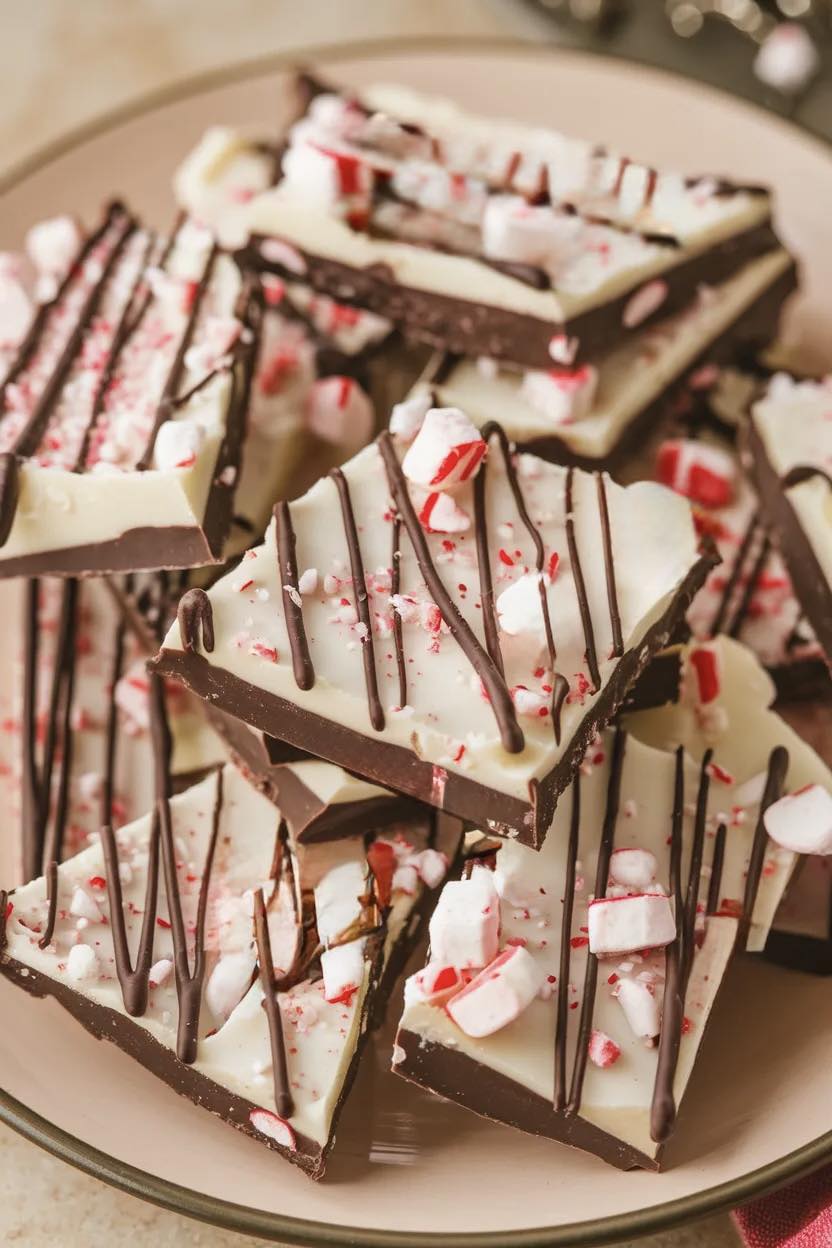
Using low-quality white chocolate is a tragedy I’ve endured. Cheap brands often use vegetable fats instead of cocoa butter, and they melt into a thick, gloppy paste that’s impossible to spread thinly. It also tastes waxy. Spend a little more on a good brand of white chocolate chips or a baking bar. It melts smoothly, tastes infinitely better, and sets with a nice snap.
Not breaking the bark with purpose is a common error. If you just hack at it with a knife, you’ll get a lot of crumbs and uneven pieces. The best method is to lift the whole slab off the parchment, place it on a cutting board, and use the tip of a large chef’s knife to score lines where you want to break it. Then, using your hands, press down along the score lines for clean, rustic breaks. It’s very satisfying.
Storing the bark incorrectly can ruin the texture. If you pile it into an airtight container while it’s still the slightest bit warm, condensation will form and make the chocolate sticky and the toppings soggy. Let it set completely at room temperature, then layer pieces between sheets of parchment paper in a container. Never store it in the fridge unless your kitchen is very warm, as the fridge can also cause condensation.
Serving Suggestions
I love piling shards of this bark high on a festive platter as the centerpiece of a dessert table. It looks abundant and joyful alongside other cookies and treats. It’s perfect for holiday open houses or as a sweet nibble after a big dinner with coffee or hot cocoa. The variety of textures and flavors means there’s something for everyone.
For gifting, I place generous pieces in clear cellophane bags tied with a pretty ribbon or a twist tie. I often stack them in decorative tins lined with parchment paper. It makes a wonderfully personal and impressive homemade gift for teachers, neighbors, coworkers, or friends. I always get asked for the recipe.
This bark is also a fantastic homemade addition to a holiday cookie box or swap. Its dramatic appearance and bold flavors stand out among more traditional cookies. I’ve even crumbled it over vanilla ice cream for an instant, decadent sundae topping—the combination of cold ice cream, crunchy bark, and melty chocolate is next-level.
Variations & Customizations
The beauty of bark is that it’s a blank canvas. For a cookies-and-cream version, use all dark chocolate and mix crushed Oreos and mini marshmallows into the toppings. For a tropical twist, use white chocolate as the base and top with chopped macadamia nuts, dried pineapple, and coconut flakes. I’ve even made a “Everything Bagel” savory-sweet version with dark chocolate, pretzels, sesame seeds, and a hint of sea salt.
You can theme the colors for any holiday. For Valentine’s Day, use pink and red sprinkles and dried strawberries. For Easter, use pastel sprinkles and mini candy-coated chocolates. The method remains exactly the same. Just swap the peppermint and holiday sprinkles for your chosen theme.
If you have dietary restrictions, this recipe is very adaptable. Use dairy-free chocolate chips and ensure your toppings are compliant. You can make it nut-free by skipping the nuts and adding more pretzels and seeds like sunflower or pumpkin seeds. The basic formula of chocolate + crunchy + chewy + festive is endlessly flexible.
How to Store, Freeze & Reheat
Once completely set and broken, store the bark in an airtight container at cool room temperature. I place sheets of parchment or wax paper between layers to prevent sticking and protect the toppings. It will keep perfectly for up to 2 weeks. The chocolate may lose a little of its initial snap over time, but the flavors remain wonderful.
You can freeze this bark successfully for up to 2 months. Arrange the pieces in a single layer on a parchment-lined tray to freeze solid, then transfer to a freezer bag or container. Thaw, still wrapped, at room temperature for about an hour. This prevents condensation from forming on the chocolate. The texture of the pretzels and nuts may soften slightly, but it’s still delicious.
“Reheating” isn’t applicable, as bark is meant to be enjoyed cool and crisp. However, if it’s been stored in a cold place and feels too hard, let it sit at room temperature for 15-20 minutes before serving to allow the chocolate to soften just enough for a perfect bite. Never microwave it.
Conclusion
This Christmas Bark is more than a recipe; it’s a holiday tradition in the making. It represents the joy of creating something beautiful and delicious without stress, and the pleasure of sharing that handmade happiness with others. I hope this recipe brings as much festive cheer and crunchy delight to your kitchen as it has to mine. Here’s to sweet, simple, and spectacular holiday creating. Happy baking—or rather, happy melting!