
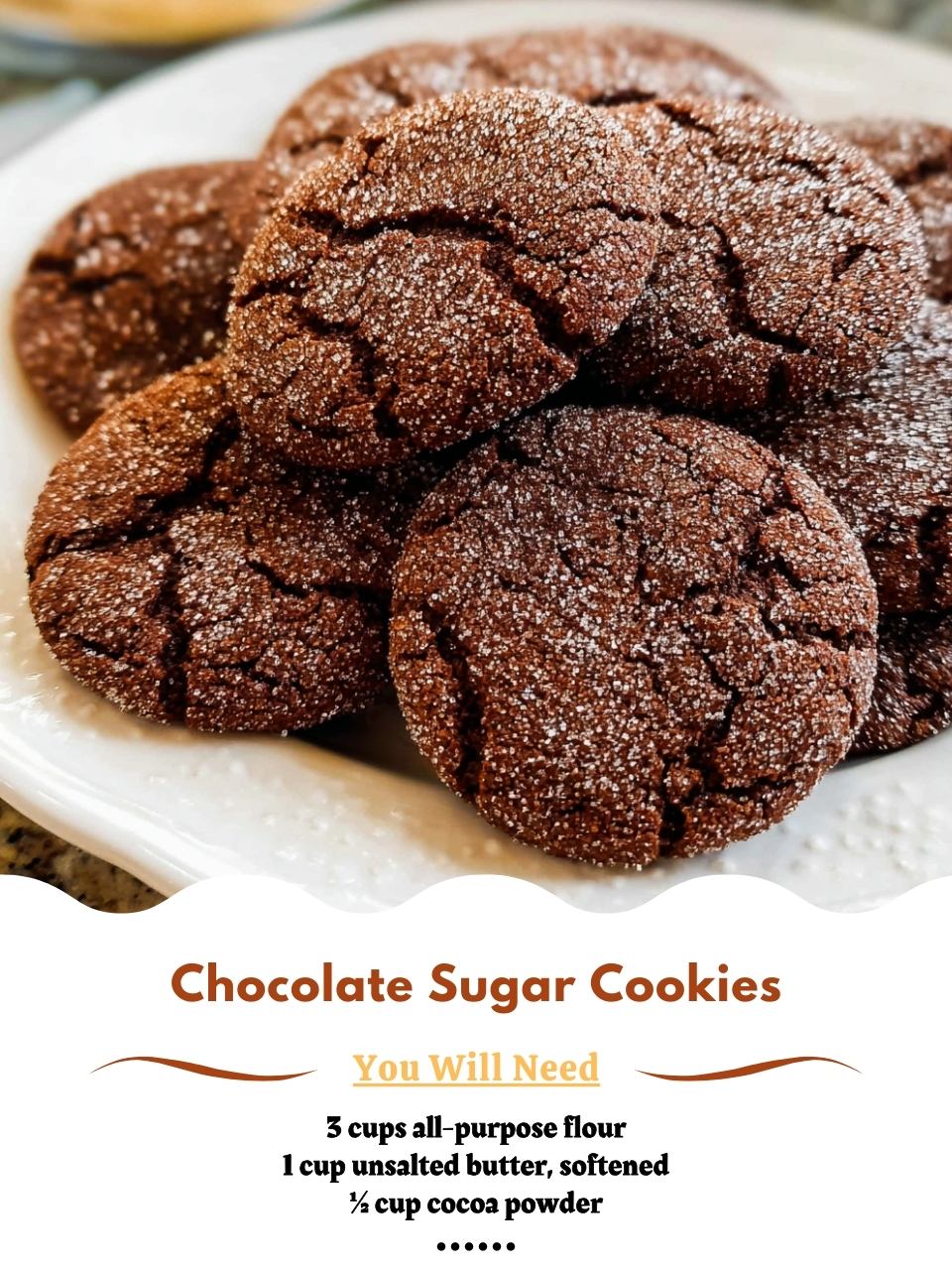
When I’m ready to bake, I preheat my oven to 350°F (175°C) and line my baking sheets with parchment paper. I place my ½ cup of rolling sugar in a shallow bowl. I take one disk of dough from the fridge and, on a lightly floured surface, roll it out to about ¼-inch thickness. I use cookie cutters for shapes or a simple round cutter. I dip each cut cookie into the sugar, coating both sides generously, and place them on the prepared sheets about 2 inches apart. I bake them for 9-11 minutes. The cookies will look set at the edges but still soft in the center. They firm up as they cool.
Pro Tips for Best Results
The chilling time is non-negotiable. I tested this three different ways: no chill, 1-hour chill, and overnight chill. The overnight chill produced the most flavorful, easiest-to-roll, and best-shaped cookies. The dough becomes firm and loses its stickiness, making rolling and cutting a breeze. It also allows the flour to fully hydrate, resulting in a more tender crumb. If you’re in a rush, 2 hours is the absolute minimum, but I truly recommend planning ahead for the best results.
When rolling out the dough, use as little extra flour as possible. Too much extra flour worked into the dough can make the cookies tough. I sprinkle a tiny bit on my surface and rolling pin, and I lift and turn the dough frequently to prevent sticking. If the dough cracks at the edges as you roll, it’s still too cold; let it sit on the counter for 5-10 minutes to soften slightly. This little pause makes all the difference for smooth rolling.
For a perfectly sparkly finish, roll the cookies in sugar after cutting the shapes and just before baking. I tried rolling the whole dough log in sugar before slicing, and the sugar melted into the dough during baking, losing its sparkle. Dipping each cut cookie ensures that crystalline, crunchy sugar coating survives the oven. And don’t be shy—press the cookie into the sugar to get a good, even coat on both sides.
Common Mistakes to Avoid
The first mistake I made was using butter that was too soft or, worse, melted. If your butter is greasy or melted, it won’t trap air during creaming, and your cookies will spread excessively and be dense. True “room temperature” butter is cool to the touch but yields under pressure. I now take mine out about 2 hours before I plan to start. If you’re short on time, you can cut it into tablespoons and let it sit for 20-30 minutes.(See the next page below to continue…)