
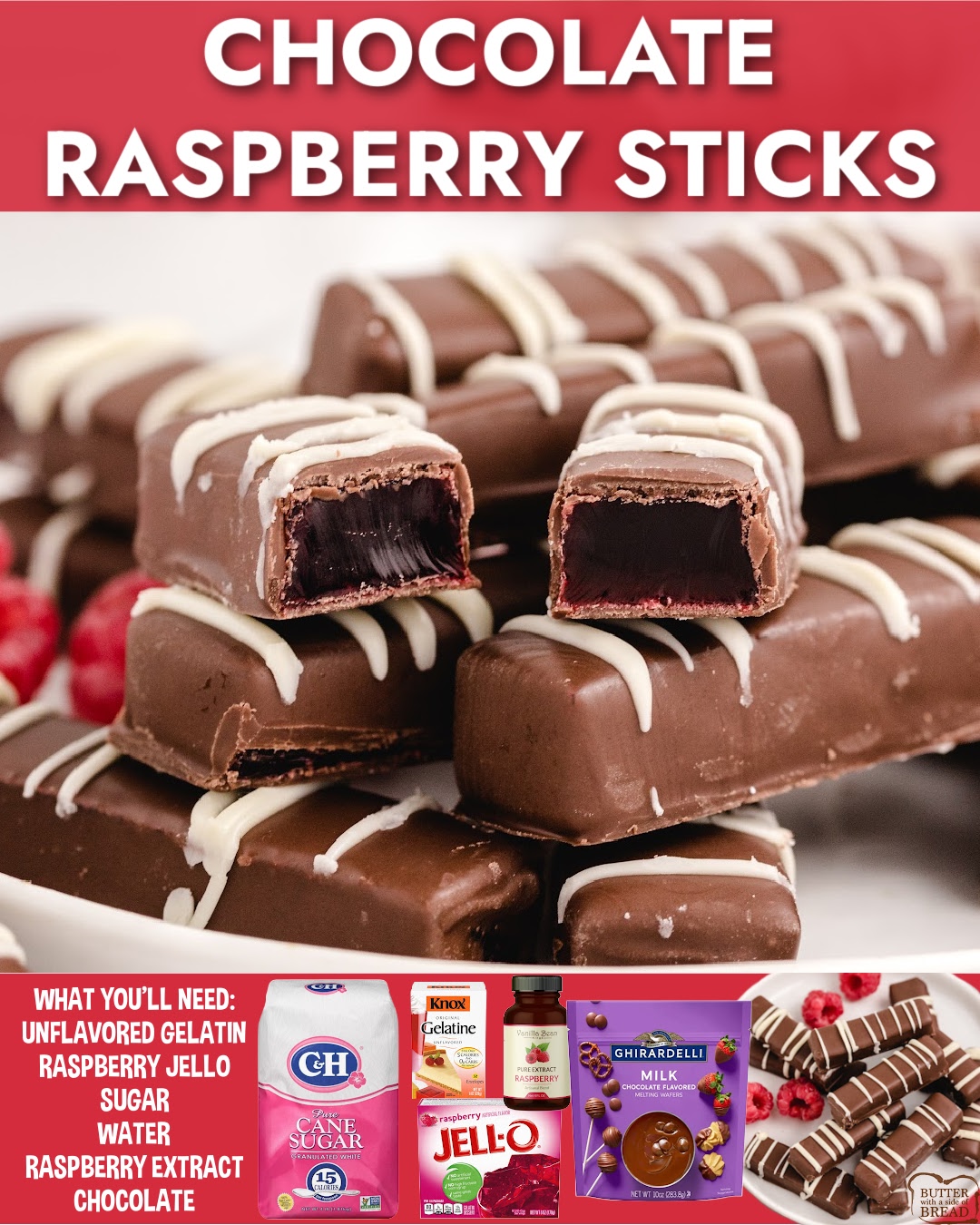
Another common mistake is overheating the chocolate. Chocolate scorches faster than you think, especially in the microwave. If it becomes grainy or chalky, it’s ruined. Melting slowly and stirring frequently prevents this. I’ve tossed out more than one bowl of chocolate before learning this lesson.
Lastly, don’t cut the raspberry slab too large. Oversized sticks tend to fall apart when dipped, and the chocolate shell struggles to hold the center. Smaller rectangles—about ¾ inch wide—dip smoothly and have the best bite. Once I downsized the pieces, the whole process became easier.
Serving Suggestions
When I serve these, I love arranging them on a holiday platter with fresh raspberries scattered around for color. The combination looks so elegant and festive. I’ve brought these to holiday gatherings, and every single time people pick them up expecting them to be store-bought. Watching their faces light up when they realize they’re homemade never gets old.
These raspberry sticks also make fantastic edible gifts. I tuck them into small candy boxes lined with tissue paper, and they instantly look like upscale chocolate-shop treats. Because the chocolate shell protects the filling, they travel well too—perfect for mailing to friends and family.
If you’re planning a dessert table, these candies add a pop of color and a chewy texture that complements cookies, truffles, and fudge beautifully. I love pairing them with dark-chocolate desserts, because the sweet raspberry filling brings a refreshing contrast. Guests always appreciate having something fruity among rich holiday sweets.
For a fun twist, I sometimes serve them alongside hot cocoa. When you let a raspberry stick melt between sips of cocoa, the flavors blend into something reminiscent of chocolate-raspberry truffles. It’s a simple combination, but incredibly satisfying on a cold night.
Variations & Customizations
One variation I absolutely love is using black cherry Jell-O instead of raspberry. The flavor becomes deeper and almost gourmet, and it pairs wonderfully with dark chocolate. I’ve made this version for adult gatherings where people enjoy more intense flavors.
Another fun twist is adding a tiny splash of lemon juice to the gelatin mixture. It brightens the flavor and gives the filling a subtle tartness. I discovered this by accident while making a citrus dessert, and now I sometimes add a teaspoon whenever I want a sharper fruit note.
You can also play with the chocolate coating. White chocolate creates a sweeter, creamier version that kids especially love. Dark chocolate makes the candies feel more sophisticated. Once, I even drizzled freeze-dried raspberry powder over the top for extra color and flavor.
For a gourmet presentation, you can cut the gelatin into squares instead of stick shapes and dip only half of each piece in chocolate. The bright red gelatin contrasting with the glossy chocolate makes them look like something from a boutique confectionery. It’s a small shape change, but the results are stunning.
How to Store, Freeze & Reheat
These treats store beautifully, which is one of the reasons I make them ahead of the holidays. I keep them in an airtight container at room temperature for up to a week. The chocolate shell protects the raspberry center, keeping everything fresh and chewy.
If you want them to last longer, refrigeration works very well. Just make sure they’re stored in a sealed container so they don’t absorb any fridge odors. They stay firm and delicious for up to two weeks this way, and I often prep them early in December for gifting later.
Freezing is also an option. Place the dipped candies in a single layer on a baking sheet, freeze until solid, then transfer them to a freezer bag. They keep for up to two months. Whenever I thaw them, I leave them at room temperature inside the bag to prevent condensation forming on the chocolate.
There’s no real “reheating” with this recipe, but if the chocolate looks dull after storage, letting the candies sit at room temperature for a bit restores some shine. They return to their perfect chewy-chocolatey texture without any effort.
Nutrition Information
While these candies are definitely a sweet treat, I love that they’re portion-controlled by nature. Each stick gives you just the right amount of chocolate and raspberry flavor without feeling too heavy. The gelatin filling is surprisingly light, and even though there’s sugar, the overall texture keeps the candies from feeling overly rich.
The chocolate coating provides fats that make the candies satisfying. If you use dark chocolate, you also get a small boost of antioxidants. The fruit-flavored center adds a refreshing element that balances the sweetness. I often find that one or two sticks are enough to satisfy my sweet tooth.
For anyone watching their sugar intake, you can adjust the recipe slightly. Sugar-free Jell-O and dark chocolate reduce the overall sugar content while still giving you a flavorful candy. I’ve tried this variation for family members, and they’ve enjoyed it just as much.
Overall, these candies fall into the “holiday indulgence” category, but in a way that feels joyful rather than excessive. They’re special enough to savor, but light enough that you don’t feel weighed down after enjoying one.
FAQ Section
1. Can I make the raspberry filling ahead of time?
Yes! I often prepare the gelatin slab the night before. It slices even more cleanly when chilled overnight, making dipping easier the next day.
2. Why did my raspberry center come out too soft?
You may not have added enough unflavored gelatin or the mixture may not have heated long enough to fully dissolve. I’ve made this mistake before—once the gelatin is fully melted, the filling sets perfectly.
3. What chocolate works best for coating?
I personally love using melting wafers or couverture chocolate because they melt smoothly and set with a nice shine. Chocolate chips work too but may require a bit of oil if they’re too thick.
4. Can I change the flavor of the filling?
Absolutely. Strawberry, black cherry, and even orange Jell-O work beautifully. Just keep the same measurements so the texture remains consistent.
5. How do I keep the chocolate from cracking?
Let the candies come to room temperature before dipping, and avoid refrigerating them immediately after coating. Sudden temperature changes cause cracking, and I’ve learned to let them cool naturally for best results.
Conclusion
Making these Chocolate Raspberry Sticks has become one of my favorite holiday traditions because they’re simple, nostalgic, and irresistibly delicious. Every year when I slice the ruby-red filling and dip each piece into silky melted chocolate, I’m reminded why I love homemade candy so much. These treats look impressive, taste even better, and bring so much joy to anyone who tries them. I hope they become a treasured part of your holiday baking too.