
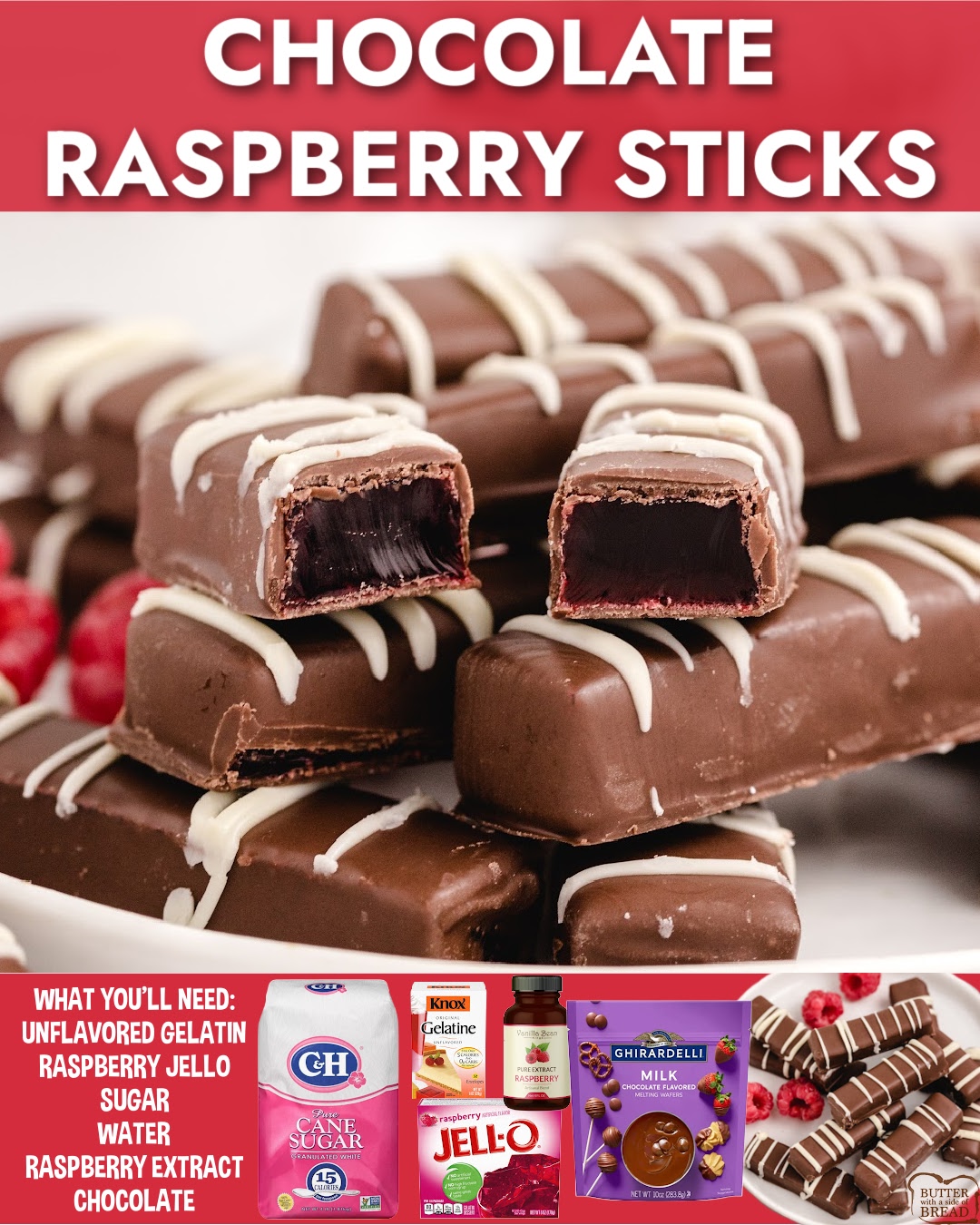
After the raspberry slab is firm, I lift it from the dish and place it on a cutting board. This part always feels satisfying—seeing that glossy, red sheet and knowing you’re about to turn it into candies. I slice it into long strips, then cut each strip into small rectangles. If your knife sticks, lightly spraying it with oil or warming it under hot water helps create cleaner edges. Each little piece looks like a gem.
For coating, I melt my chocolate in the microwave in short intervals, stirring between each burst. Once smooth, I drop each raspberry stick into the chocolate, coat it completely, then lift it out with a fork to let the excess drip off. Lining them on parchment keeps the bottoms smooth. After all the pieces are dipped, I melt a bit of white chocolate and drizzle it over the top. It adds such a professional, candy-store finish that I never skip it anymore.
Pro Tips for Best Results
One thing I learned the hard way is never to boil the gelatin mixture aggressively. I tested this three different ways, and each time I let it boil too hard, the texture turned rubbery instead of soft and chewy. Gentle heat is your friend here. Keep it just hot enough to dissolve everything smoothly.
Another tip is letting the gelatin slab chill completely—preferably overnight. It cuts much better when it’s very firm. Anytime I’ve rushed this step, the pieces came out uneven or sticky, and they didn’t dip as smoothly in chocolate. A few extra hours really improve the final look.
Chocolate quality also makes a big difference. I once used a generic chocolate chip brand that refused to melt smoothly, no matter how patient I tried to be. Using a chocolate made for melting or candy coating gives you a much easier time. If your chocolate thickens while dipping, reheating it in short bursts solves the problem instantly.
Finally, don’t skip the parchment paper lining. One time I poured the gelatin directly into the dish, thinking I’d scrape it out later—but it stuck so badly that half of it tore. Parchment paper lets you lift the entire slab out effortlessly, keeping the texture intact and giving you perfect, smooth raspberry sticks.
Common Mistakes to Avoid
The first mistake I made was assuming unflavored gelatin and Jell-O behave the same way—they don’t. Using too little unflavored gelatin results in a filling that never firms up properly. It stays too soft to cut or dip, and you end up with a sticky mess. Follow the measurements exactly for the best texture.
I also learned not to rush cooling. Don’t put the gelatin in the freezer to speed things up. Freezing creates uneven, icy spots that ruin the smooth, chewy center. The refrigerator is the perfect environment—cold enough to firm the mixture without changing its structure.(See the next page below to continue…)