
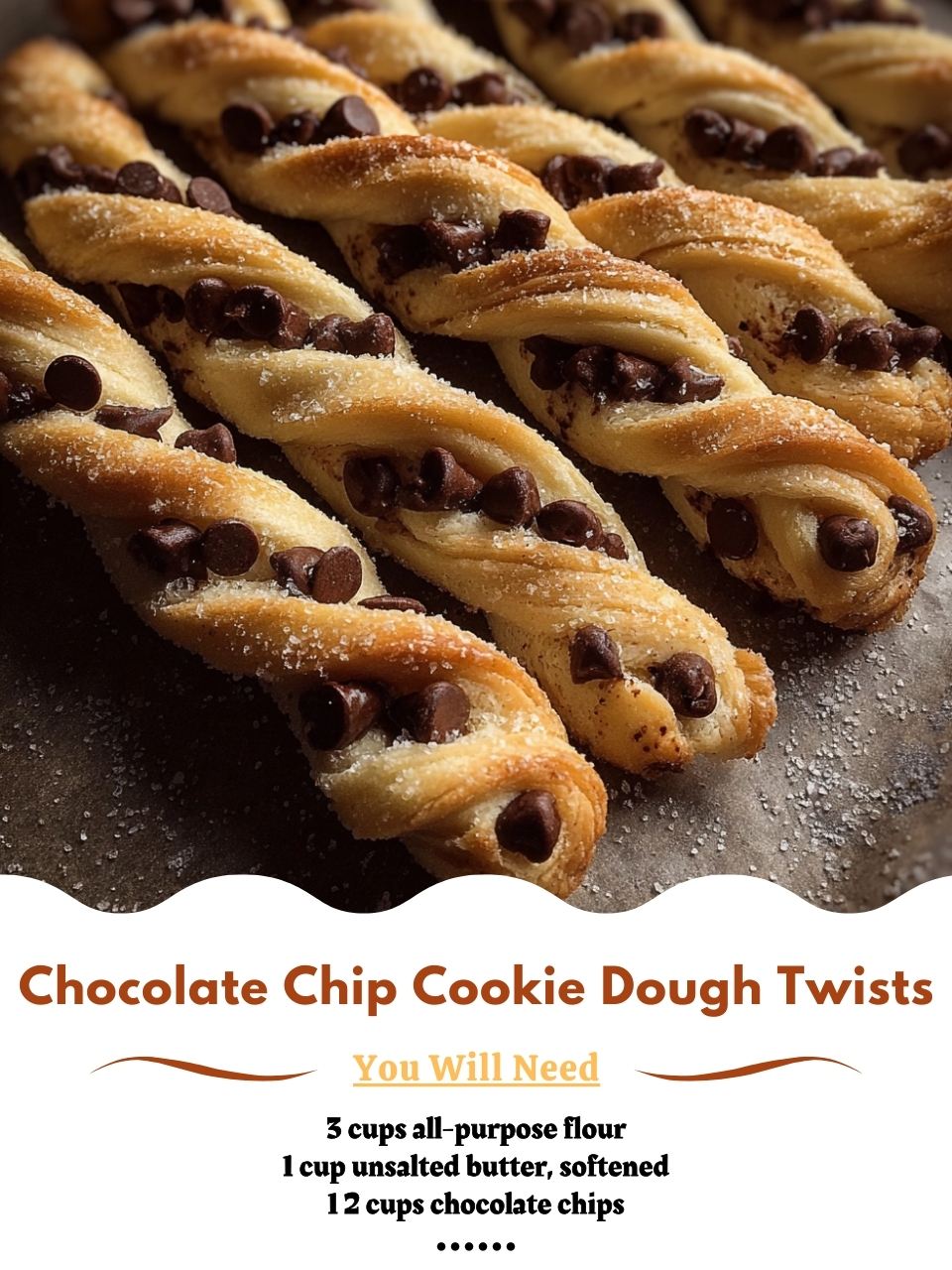
This next part is my favorite. I use my rolling pin to roll the dough into a large rectangle, about 12×18 inches and ¼-inch thick. I use a pizza cutter to trim any very uneven edges (these scraps are a chef’s treat!). Then, I cut the rectangle lengthwise into strips about 1 to 1.5 inches wide. I work with one strip at a time: I gently pick up both ends and twist them in opposite directions several times, like wringing out a towel, before placing it on the prepared baking sheet. I leave about an inch between each twist, as they will puff up slightly.
For the final touch, I make an egg wash by beating the remaining egg with a teaspoon of water. I use my pastry brush to lightly coat the top of each twist—this is what gives them that beautiful, glossy, golden-brown color. Then, I sprinkle each one generously with coarse sugar for a delightful crunch. I bake them for 15-18 minutes, rotating the trays halfway through, until they are puffed and a deep, golden brown. The smell is absolutely intoxicating. I let them cool on the pan for 5 minutes before transferring them to a rack.
Pro Tips for Best Results
Keep everything as cold as possible. After I cube the butter, I sometimes pop it back in the fridge for 10 minutes while I get my other ingredients ready. I also use cold milk and a cold egg. This prevents the butter from melting before it hits the oven, which is the secret to achieving those flaky, tender layers. If the dough feels sticky or warm while you’re rolling, don’t hesitate to slide it onto a baking sheet and chill it in the fridge for 15 minutes. It makes handling it so much easier.
When twisting, confidence is key. Don’t be timid. Pick up the strip of dough, give it a few firm but gentle twists down its length, and then place it down. If you’re too careful, the twists might unravel. I’ve found that a good 3-4 full rotations along the strip gives you the perfect spiral shape that holds during baking. If a strip tears a little, just press it back together—the dough is very forgiving.
The egg wash is not just for looks. Brushing it on evenly ensures even browning and gives the twists that signature bakery-style shine. Don’t glop it on, but do make sure you cover the entire surface. And use coarse sugar for topping! Regular granulated sugar will mostly melt in. Coarse sugar or sanding sugar retains its crystal structure, providing a wonderful sweet crunch that contrasts beautifully with the soft interior.
Bake until truly golden. These twists can look deceptively pale when they’re actually fully baked inside, but for the best texture and flavor, you want a rich, golden-brown color. The edges may darken slightly, and that’s a good thing—it means caramelization and maximum flavor. Underbaked twists can taste doughy. Use the visual cue, not just the timer. When they look like a perfect, golden pretzel-cookie hybrid, they’re done.
Common Mistakes to Avoid
The most common mistake is using softened or melted butter. If your butter is soft, it will fully incorporate into the flour, creating a paste instead of a crumbly mixture. This results in a dense, tough pastry that lacks flakiness. I made this error in my first test batch, and the twists were more like sweet breadsticks than the delicate pastry I envisioned. Your butter must be cold straight from the fridge.(See the next page below to continue…)