
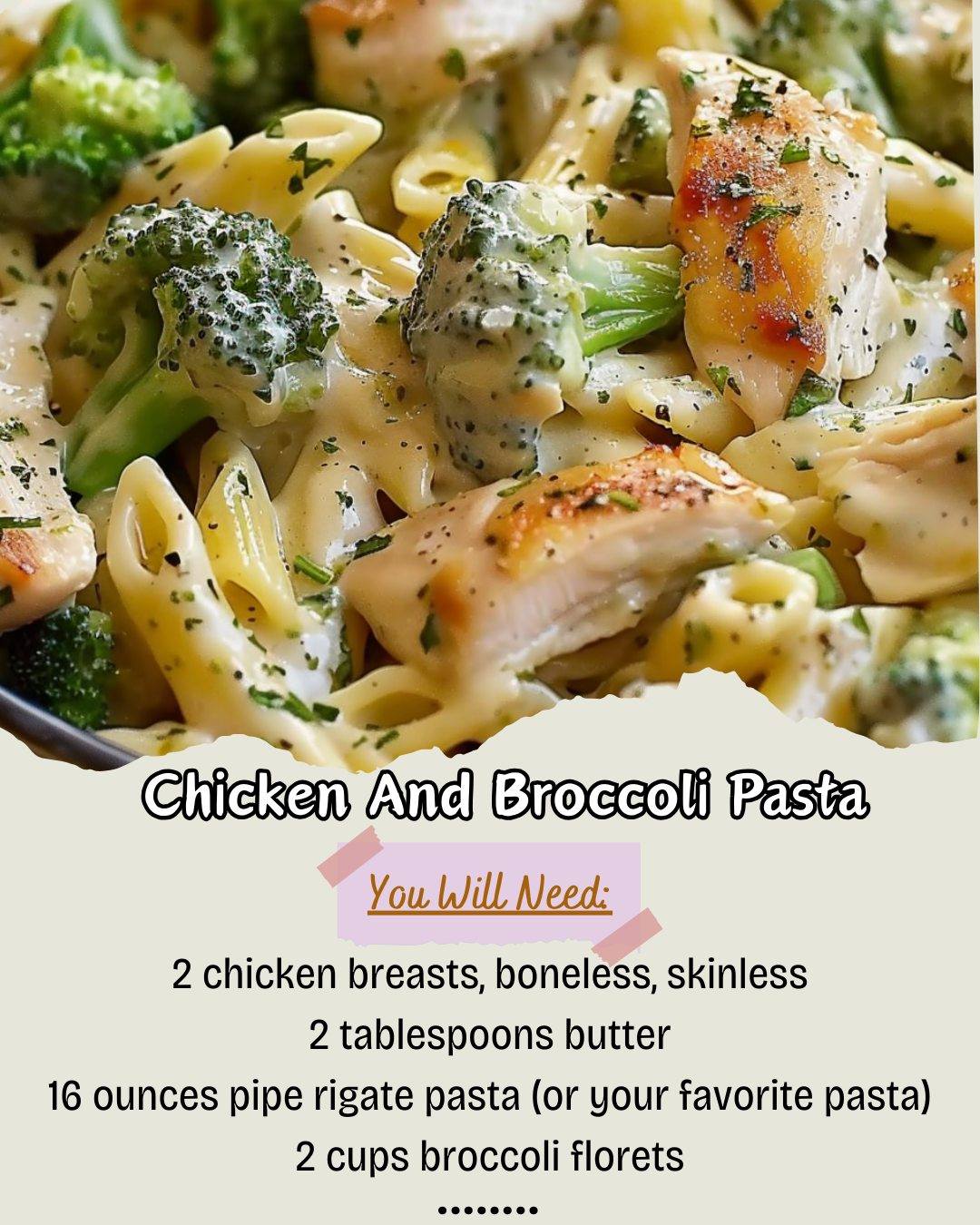
Adding cold cream directly from the fridge to a hot pan can sometimes cause it to separate or curdle. To prevent this, I let my cream sit on the counter for 10-15 minutes to take the chill off before adding it. Also, adding it at the same time as the starchy pasta water and stirring over low heat creates a stable, emulsified sauce every time.
Using pre-grated Parmesan cheese from a canister is a flavor and texture letdown. It often contains anti-caking agents that prevent it from melting smoothly into the sauce. Taking one minute to grate a block of real Parmigiano-Reggiano or a good quality Parmesan results in a nuttier, richer flavor and a beautifully silky sauce. It’s a step I will never skip again.
Serving Suggestions
I love serving this pasta family-style, right from the skillet, placed in the center of the table with the grater of Parmesan cheese and red pepper flakes nearby. Alongside, I’ll have a big, simple salad of mixed greens with a lemony vinaigrette. The crisp, acidic salad is the perfect counterpoint to the rich, creamy pasta and makes the meal feel complete.
For a cozy weeknight, I serve it in shallow bowls with a side of warm, crusty bread for mopping up every last bit of sauce. Sometimes, I’ll sauté a handful of cherry tomatoes in the pan after the broccoli for a burst of sweetness and color. It’s a complete, comforting meal that requires nothing else but maybe a glass of white wine.
If I’m aiming for a lighter meal, I serve smaller portions of the pasta alongside a larger portion of a different vegetable, like roasted asparagus or a medley of zucchini and bell peppers. This way, the pasta feels like the indulgent star, but the plate is still loaded with nutrients and variety. It’s all about balance.
For lunch the next day, I pack the leftovers cold in a container with a handful of fresh arugula. The residual heat from the pasta gently wilts the arugula when I reheat it, creating a delicious, peppery pasta salad situation. It’s a fantastic way to enjoy the leftovers in a new, fresh format.
Variations & Customizations
For a sun-dried tomato and spinach twist, I add 1/3 cup of chopped sun-dried tomatoes (oil-packed, drained) and two big handfuls of fresh baby spinach to the skillet with the garlic. The spinach wilts in seconds, and the tomatoes add a wonderful sweet-tangy pop. A splash of the sun-dried tomato oil in place of some olive oil is divine.
You can easily create a lemon garlic version, which is a family favorite. I add the zest of one lemon and a tablespoon of lemon juice to the sauce along with the cream. I finish it with a handful of fresh parsley or basil. The lemon brightens the entire dish and makes it taste incredibly fresh and spring-like, even in the depths of winter.
The protein is very flexible. Thinly sliced steak, large shrimp, or even Italian sausage (removed from its casing) work beautifully in place of chicken. For a vegetarian version, I use sliced mushrooms or canned chickpeas (drained and rinsed) to create heartiness. The basic method of building the sauce in the pan remains the same.
You can change up the sauce base, too. For a lighter option, skip the cream and use only the starchy pasta water and Parmesan to create a quick cacio e pepe-style sauce. For a richer Alfredo-style, use more cream and butter. A spoonful of pesto stirred in at the end is another fantastic shortcut to big flavor.
How to Store, Freeze & Reheat
To store leftovers, I let the pasta cool to room temperature before transferring it to an airtight container. It will keep in the refrigerator for 3-4 days. The pasta will continue to absorb the sauce, so when reheating, I always add a splash of broth, milk, or water to loosen it up and bring back its creamy consistency.
This pasta can be frozen, but with a caveat. The dairy-based sauce can sometimes separate or become grainy upon thawing. If I do freeze it, I undercook the pasta slightly and use a bit less cream. I store it in a freezer-safe container for up to 2 months. Thaw overnight in the fridge before reheating gently on the stovetop with added liquid.
The best way to reheat is on the stovetop over low heat. I add a couple of tablespoons of liquid (water, milk, or broth) to the pan, cover it, and heat slowly, stirring occasionally, until warmed through. The microwave works in a pinch but can make the pasta rubbery and heat unevenly. If using the microwave, I do so at 50% power in short intervals.
For the best make-ahead strategy, I often prep the components separately. I’ll cook the chicken and broccoli, make the sauce base, and cook the pasta. I store them separately in the fridge. When ready to eat, I simply reheat the chicken and broccoli in the sauce, toss with the pasta, and add a splash of fresh cream or pasta water to bring it all together.
Nutrition Information
This dish is a wonderful example of a balanced one-pot meal. The chicken provides lean protein to help keep you full and support muscle repair. The broccoli adds a fantastic dose of fiber, vitamins C and K, and antioxidants. The pasta offers carbohydrates for energy, and the dairy contributes calcium and fat for satiety and flavor.
You can adjust the nutrition profile based on your needs. Using whole wheat pasta increases the fiber content. Swapping half the cream for more pasta water or a light broth reduces the fat and calories. Adding more broccoli or other vegetables increases the volume and nutrients without adding many calories. It’s a very adaptable template.
While it is a richer dish due to the butter, oil, and cream, it’s a homemade, whole-food-based meal that is far more nutritious than a similar dish from a restaurant or a jarred sauce. You control the quality of ingredients and the amount of salt. A sensible portion size, paired with a salad, makes for a very satisfying and reasonable meal.
In my kitchen, this recipe represents nourishing comfort. It’s about feeding my family something wholesome, delicious, and made with care. The joy of sharing a warm, homemade meal that everyone enjoys is a form of nourishment that goes beyond macros, contributing to a happy, connected home—and that’s always healthy.
FAQ Section
Can I use frozen broccoli?
You can, but thaw it completely and pat it very dry before adding it to the skillet. Frozen broccoli releases a lot of water as it cooks, which can dilute your sauce. I prefer fresh for its superior texture and flavor, but in a pinch, frozen works. Just skip the steaming step and sauté it until heated through and any excess moisture has evaporated.
My sauce is too thin. How can I thicken it?
Let it simmer on low heat for a few more minutes; the starch from the pasta will continue to thicken it. You can also create a quick slurry by mixing a teaspoon of cornstarch with a tablespoon of cold water and stirring it into the sauce. Or, simply sprinkle in a little more grated Parmesan cheese and stir until melted.
What can I use instead of heavy cream?
Half-and-half is a great substitute and will still be creamy. For a lighter option, whole milk or even evaporated milk works, though the sauce will be thinner. For a dairy-free version, full-fat canned coconut milk is surprisingly good, or use a unsweetened plain almond milk with a tablespoon of flour or cornstarch to help thicken it.
Conclusion
This Chicken and Broccoli Pasta has secured its place as the most-requested, most-relied-upon recipe in my kitchen arsenal. It’s the delicious answer to busy days, the comforting solution for picky eaters, and the simple proof that a great meal is always within reach. I hope this recipe finds its way into your regular rotation and brings as much reliable joy and satisfaction to your table as it has to mine. Now, go put that pot of water on to boil—dinner is wonderfully close.