
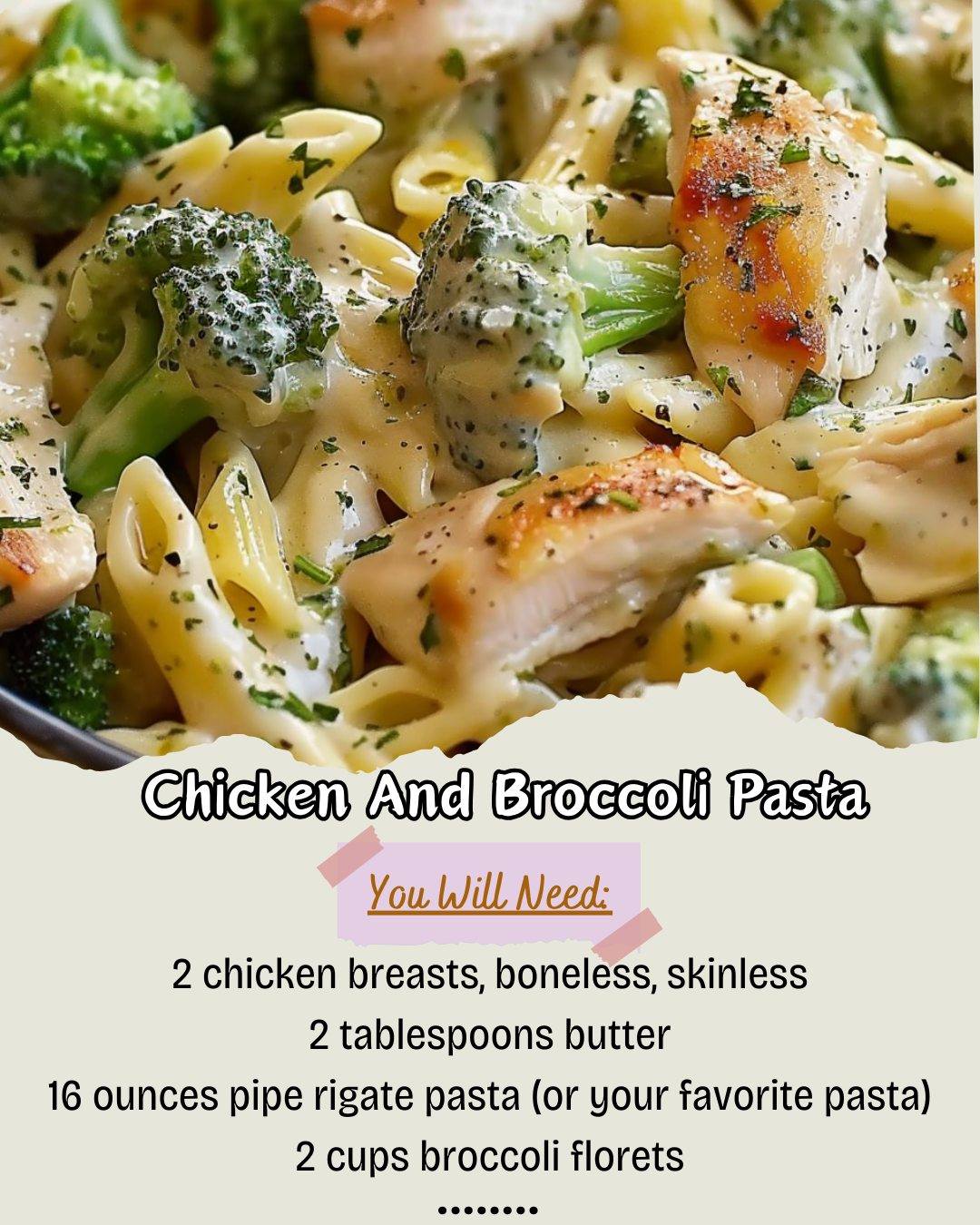
By now, my pasta is perfectly al dente. Before draining, I carefully scoop out one cup of the starchy pasta water and set it aside. I drain the pasta and add it directly to the skillet with the broccoli. I pour in the heavy cream, half of the Parmesan, and a good 1/2 cup of the reserved pasta water. I slice the rested chicken and add it back in. I toss everything together over low heat until the sauce becomes creamy and coats every piece, adding more pasta water if needed. The final flourish is a final sprinkle of Parmesan.
Pro Tips for Best Results
For the most tender, flavorful chicken every time, I now pound my chicken breasts to an even thickness before cooking. I place them between sheets of plastic wrap and gently pound them to about 1/2-inch thick. This ensures they cook evenly and quickly, preventing dry edges and a raw center. It’s a simple step that transformed my results.
I’ve tested adding the broccoli three ways: boiling it with the pasta, roasting it separately, and steaming it in the skillet. Steaming it in the skillet with a splash of pasta water is the absolute winner. It keeps the broccoli vibrant and crisp-tender, and it infuses it with the savory flavor from the pan drippings. Plus, it saves you from washing an extra dish.
The timing of adding the garlic is everything. If you add it with the raw broccoli, it will burn and turn bitter by the time the broccoli is cooked. I add it right at the end of the broccoli’s cook time, letting it become fragrant for just 30 seconds before adding the pasta. This preserves its sweet, aromatic flavor without any harshness.
Resist the temptation to dump all the pasta water into the sauce at once. Start with 1/2 cup, toss, and let the heat and starch work their magic. The sauce will tighten and become glossy. You can always add more to reach your desired consistency, but you can’t take it out. This control is the key to a sauce that clings, not pools.
Common Mistakes to Avoid
The biggest mistake I made was overcooking the chicken. I used to slice it raw and cook the pieces, which often led to tough, rubbery bits. Cooking whole breasts, letting them rest, and then slicing ensures they stay incredibly juicy. That resting period is non-negotiable; it lets the juices redistribute so they don’t all run out onto the cutting board.
Don’t skip salting your pasta water aggressively. This is your one chance to season the pasta itself from the inside out. Unsalted pasta tastes flat, no matter how flavorful your sauce is. I aim for water that tastes like mild seawater. It makes a profound difference in the final dish’s overall flavor profile. I learned this after a very bland early attempt.(See the next page below to continue…)