
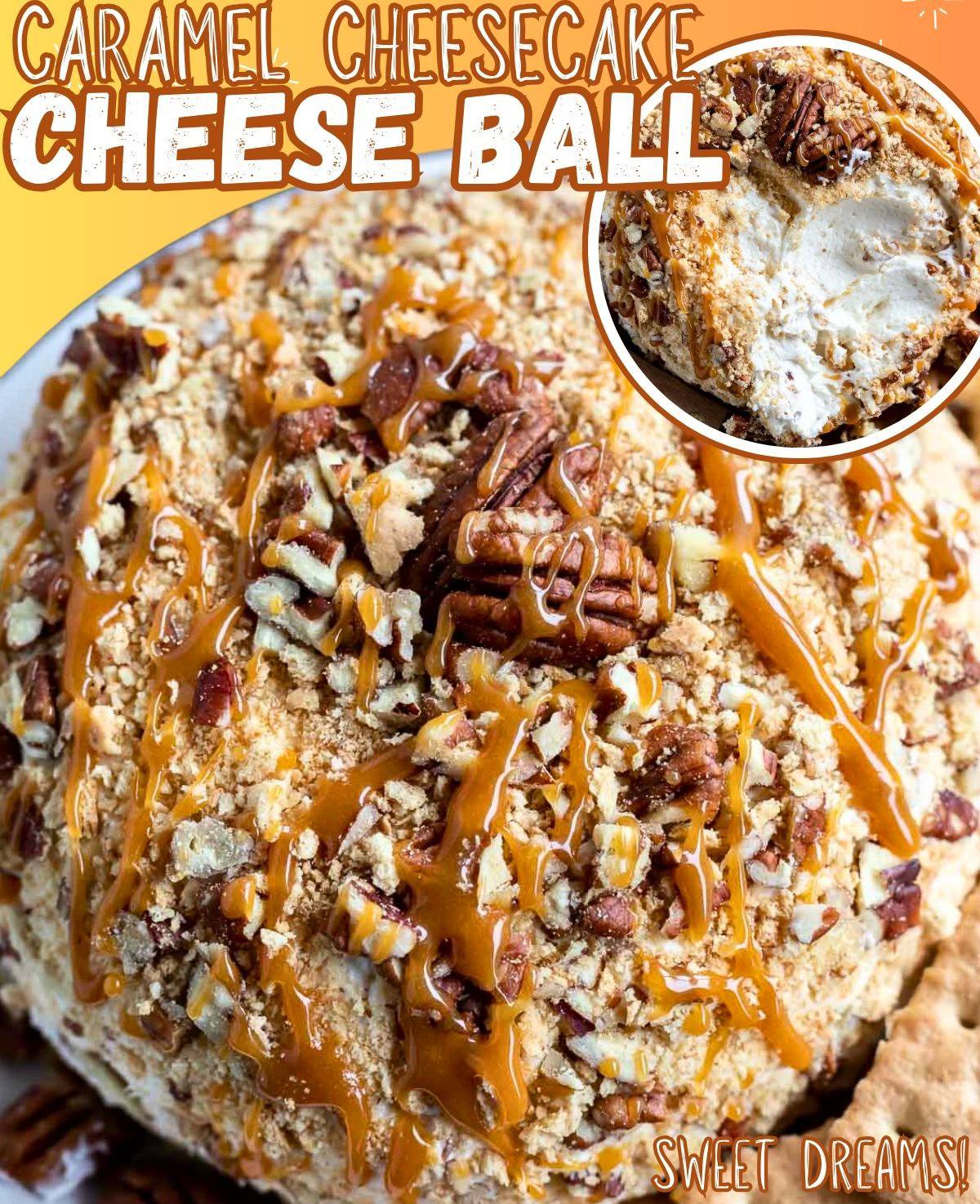
I gently lift my wrapped ball and place it in the freezer for exactly 45 minutes. This was a timing mistake I learned from: the first time, I only chilled it for 20, and when I tried to roll it, it was a sticky, coating-repelling mess. Forty-five minutes firms it up perfectly so it can handle being rolled without losing its shape. I take it out, unwrap it, and roll it quickly and firmly in my crumb mixture, pressing the coating on from all sides until it’s completely covered. It’s ready to serve, or it can go back to the fridge to set fully.
Pro Tips for Best Results
I tested this three different ways for the coating: graham crackers alone, nuts alone, and the combination. The combination is the winner by a mile. The nuts add a necessary savory crunch that cuts the sweetness and mimics a true cheesecake crust. Don’t skip toasting them, either! I toss my chopped pecans in a dry skillet for a few minutes until fragrant. It deepens their flavor immensely and prevents a raw, bland taste in your final bite.
Here’s what I learned the hard way about the caramel: if you use pre-made caramel sauce instead of bits or chopped candies, you must adjust everything. I tried it once, adding a 1/4 cup of sauce, and it was a disaster—the ball never firmed up enough to hold its shape. The bits are integral for structure and texture. If you can only find hard caramels, chop them very finely or pulse them in a food processor a few times. You want small pieces that won’t break a tooth but will still give that satisfying chew.
The chilling stages are your best friends. That initial 45-minute freeze is non-negotiable for easy rolling. But after it’s coated, I always let it rest, covered, in the refrigerator for at least two more hours before serving. This second chill allows all the flavors to meld and the texture to settle into that perfect, sliceable-but-creamy cheesecake consistency. If you serve it right after rolling, the flavors haven’t fully married and it can be a bit too soft for clean slicing.
Common Mistakes to Avoid
My first major mistake was using cream cheese and butter straight from the fridge. I was in a hurry and thought my powerful mixer could muscle through it. It couldn’t. I ended up with tiny, stubborn lumps of cream cheese throughout the mixture, and no amount of extra beating smoothed them out. The sugar also didn’t fully incorporate, creating a slightly gritty texture. Room temperature ingredients are the foundation of this recipe—don’t rush this step.(See the next page below to continue…)