
Pro Tips for Best Results
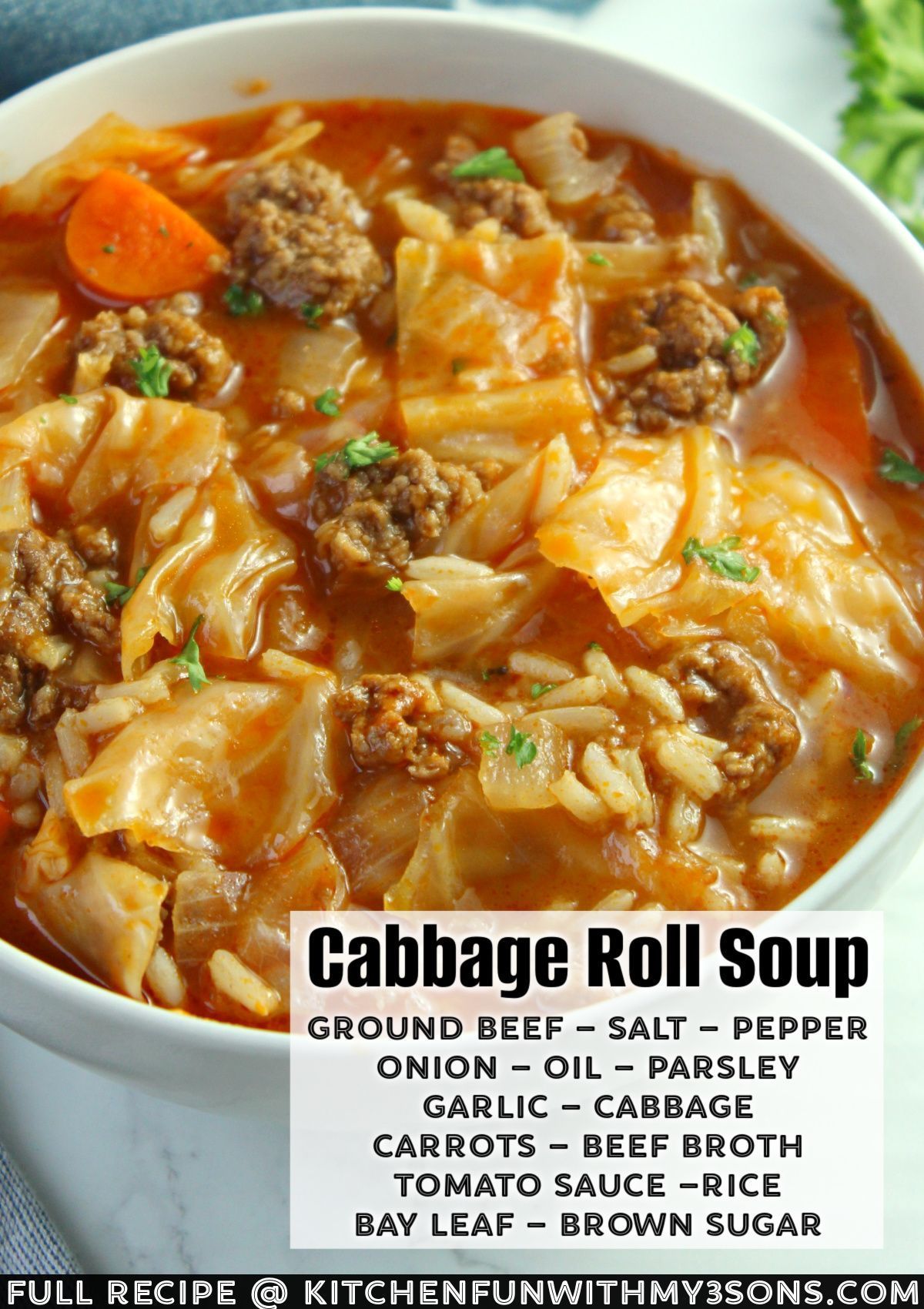
One of the best tips I can share is to avoid chopping the cabbage too small. The first couple of times I made this soup, I shredded the cabbage too finely, and it practically disappeared in the broth. Keeping the pieces roughly chopped gives the soup great texture and that classic cabbage roll feel. You want the cabbage to be tender but still recognizable in every bite.
Another tip I learned from trial and error is to monitor the rice closely. Rice is delicious in this soup because it soaks up the tomato broth, but it can also overcook if the soup simmers too long or if you reheat it repeatedly. When I know I’ll have leftovers, I sometimes cook the rice separately and add it to each bowl individually. That way, the rice doesn’t become mushy over the next day or two.
I also found that browning the beef very thoroughly makes a noticeable difference in flavor. When the beef gets those golden-brown bits, it deepens the overall taste of the soup. Don’t rush the browning step; letting the meat caramelize enhances the richness of the broth later. If you want even more flavor, you can also brown the cabbage slightly before adding the liquids.
Lastly, taste as you go. Cabbage absorbs seasoning, so what tastes perfect early on might need an extra pinch of salt, thyme, or paprika toward the end of cooking. I’ve found that adding seasoning in layers instead of all at once helps build a more balanced, well-rounded flavor.
Common Mistakes to Avoid
One mistake I made early on was adding the rice too soon. If the rice goes in before the broth starts boiling, it cooks unevenly and sometimes sticks to the bottom. Adding it once the liquid is hot ensures it cooks properly and absorbs flavor without turning mushy. Overcooking the rice is another common pitfall—if you simmer the soup too long, the rice can break down and thicken the broth more than you want.
Another mistake is not draining the grease from the beef. Even a small amount of excess fat can make the soup feel heavy and greasy, especially since the broth is tomato-based. Taking the time to drain it gives you a cleaner, smoother, more pleasant soup texture.
A third mistake many people make is seasoning only once. Cabbage has a way of absorbing flavors as it cooks, so if you add seasoning at the beginning and never revisit it, the soup may end up tasting bland. I always taste after the cabbage has softened, after the rice has cooked, and again just before serving.
Finally, don’t chop the cabbage too finely. Thin-shredded cabbage becomes limp and stringy in the soup, losing that hearty cabbage roll vibe. Keeping the pieces larger helps them stay sturdy and satisfying throughout the cooking process.
Serving Suggestions
When I serve Cabbage Roll Soup, I love to pair it with a slice of crusty bread or a warm dinner roll. The broth is so flavorful that dipping bread into it feels like its own little treat. Sometimes I butter the bread lightly, and the contrast between buttery warmth and tangy tomato broth is heavenly.
I also like serving this soup with a simple green salad dressed with a light vinaigrette. The fresh, crisp greens balance the richness of the soup and bring a nice contrast in texture. On really cold evenings, I’ve paired it with roasted vegetables, and the combination creates a wholesome, comforting meal that feels straight out of a winter cabin.
For toppings, I sometimes sprinkle a little extra parsley, Parmesan, or even a dollop of sour cream on the soup. The sour cream adds a slight creaminess that reminds me of the way some families serve cabbage rolls with a sauce. It melts into the broth and creates a velvety finish that feels incredibly satisfying.
If you’re serving this to guests, ladling it into big, wide soup bowls makes the experience feel rustic and inviting. I love adding a slice of lemon on the side for anyone who wants a touch of brightness—it lifts the tomato broth in such a lovely way.
Variations & Customizations
One of my favorite variations is substituting the ground beef with ground turkey or chicken. It lightens the soup while still keeping it hearty and flavorful. I’ve done this many times when I wanted a slightly leaner version, and it always turns out delicious.
Another variation I love is adding a handful of sauerkraut. It may sound unusual, but it gives the soup a tangy bite that reminds me of certain Eastern European cabbage dishes. If you’re a sauerkraut fan, trust me—just a small amount goes a long way in adding depth.
I’ve also experimented with swapping the white rice for barley or quinoa. Barley gives the soup an earthy, chewy texture that feels old-fashioned and cozy. Quinoa keeps the soup protein-rich and fluffy. Both options work great if you want something a bit different from traditional rice.
For a spicy twist, I sometimes add red pepper flakes, smoked paprika, or even a diced jalapeño. These additions bring heat that complements the sweet cabbage and tangy tomatoes perfectly. If you love spice, a little kick takes this soup to another level.
How to Store, Freeze & Reheat
Storing this soup is incredibly simple. Once it cools, I transfer it into airtight containers and refrigerate it for up to four days. The flavors actually deepen as it sits, making leftovers taste even better. The rice absorbs more broth over time, so I often add a splash of water or broth when reheating.
For freezing, I recommend freezing the soup without the rice if possible. Rice tends to become mushy when frozen and reheated. If you do freeze it with the rice, slightly undercook the rice when first making the soup. Freeze the soup in portions, and it will keep well for up to three months.
When reheating, I prefer using the stovetop over the microwave. I warm the soup over medium heat, stirring occasionally and adding extra broth if it has thickened too much. If using the microwave, I heat in short intervals and stir between each round to ensure even reheating.
If you froze the soup without rice, simply cook fresh rice while reheating the soup and add it in just before serving. This method keeps the texture perfect and ensures the soup tastes just as good as the first day.
Nutrition Information
What I love about this soup is that it’s both hearty and balanced. The beef gives the soup a satisfying richness and a good amount of protein. The cabbage adds fiber and nutrients while still keeping things light. Tomatoes bring antioxidants and a gentle acidity that brightens the broth.
Rice provides a source of carbohydrates that helps make this meal filling and comforting. If you use brown rice, quinoa, or barley instead, you can increase the fiber and nutrient content even more. The soup is also naturally dairy-free, which makes it accessible for a variety of dietary needs.
Even though the soup tastes incredibly rich, it’s surprisingly wholesome. A generous bowl fills me up without leaving me feeling weighed down, which is why I often make it during cold months when I want something comforting but not overly heavy. It’s the kind of meal that warms you from the inside out.
Overall, this dish offers a great balance of protein, vegetables, and grains, making it both nourishing and satisfying. You can adjust ingredients to make it lighter or richer depending on your preference, but no matter what, it remains a truly comforting meal.
FAQ Section
1. Can I make this soup in a slow cooker?
Yes! I’ve made it in the slow cooker many times. Just brown the beef first, then add everything else except the rice. Cook on low for 6–7 hours and add the rice during the last hour.
2. Can I use leftover cooked rice?
Absolutely. I’ve done this when I had extra rice from another meal. Add the cooked rice toward the end so it warms through without becoming mushy.
3. Can I make it vegetarian?
Yes! Use veggie broth and swap the ground beef for lentils or a plant-based ground meat substitute. It still turns out hearty and delicious.
4. Why is my soup too thick?
It thickens naturally as the rice cooks and absorbs broth. Just add a bit more water or broth until it reaches your preferred consistency.
5. Can I add potatoes?
Definitely. I’ve added diced potatoes many times. Add them when you add the cabbage so they cook evenly.
Conclusion
Cabbage Roll Soup has become one of my favorite comfort meals because it packs all the nostalgic flavor of traditional cabbage rolls into one easy, soul-warming pot—and every time I make it, my kitchen fills with the kind of aroma that makes home feel especially cozy.