
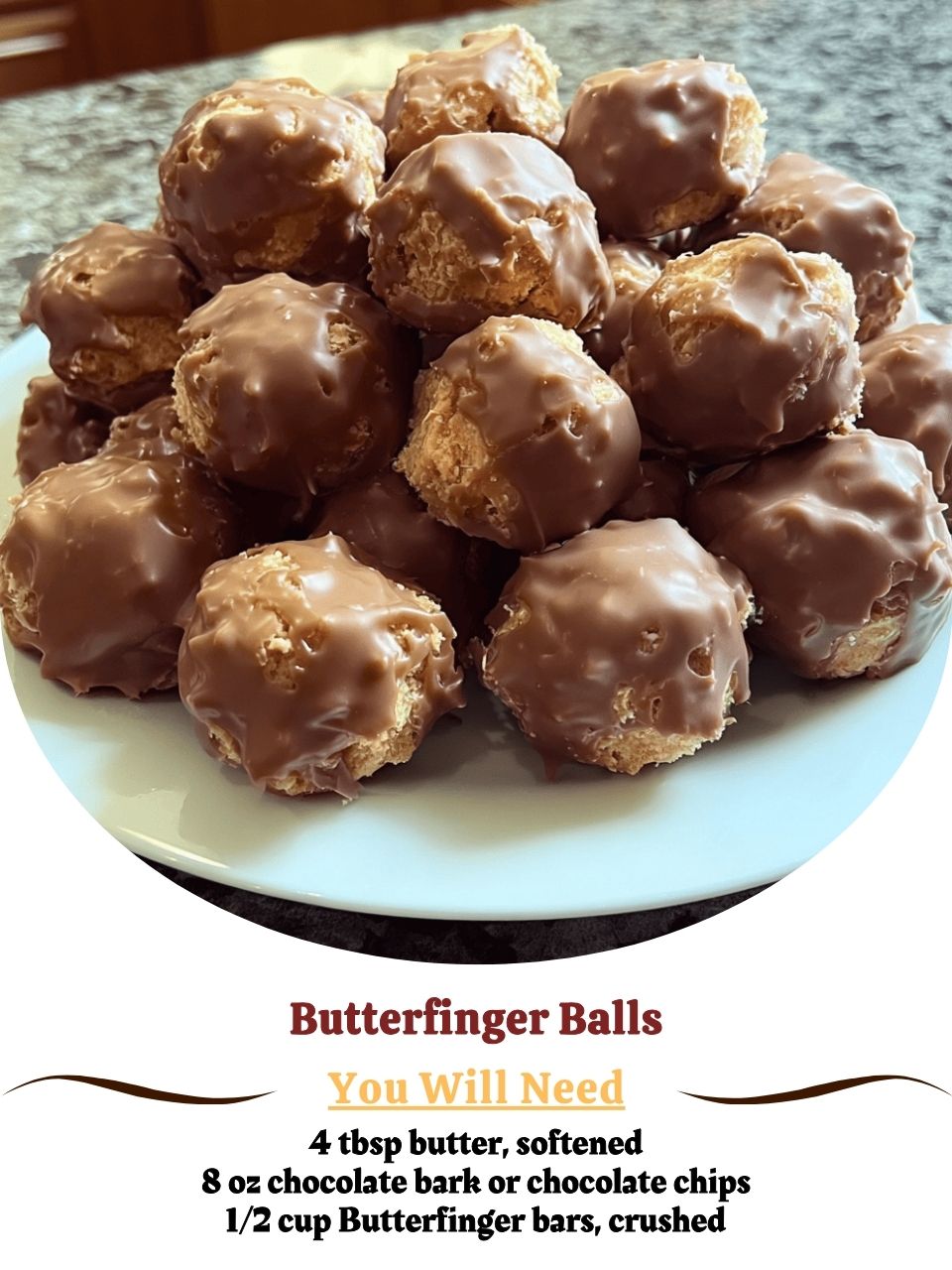
Another common error is over-mixing the dough once the dry ingredients are added. You want to mix just until no dry streaks of powdered sugar or graham cracker remain. If you beat it aggressively with the mixer at this stage, you can overwork the peanut butter, making it oily, and you’ll crush those beautiful Butterfinger chunks you carefully added. Fold gently with a spatula for the best texture.
Be vigilant with your chocolate temperature. If your chocolate is too hot when you dip the frozen balls, it can cause the outer layer of the peanut butter dough to melt slightly, creating a weird layer between the candy and its shell. Let the melted chocolate sit for a minute or two off the heat so it’s warm, not hot, to the touch. Conversely, if your balls thaw too much on the counter, they’ll be soft for dipping. Work in small, cold batches.
Finally, don’t skip the parchment paper. I’ve tried wax paper and even a bare baking sheet, and the results are never as good. Parchment prevents any sticking during both the initial freeze and the final set, guaranteeing you a perfect, unchocolaty-bottomed candy with a flawless finish.
Serving Suggestions
I love serving these on a simple white or slate platter, perhaps with a small bowl of extra sea salt on the side for those who love a salty-sweet kick. They look incredibly elegant and store-bought in the best way. For a holiday gathering, I arrange them in mini paper candy cups in a festive tin—they make the most appreciated food gift.
For a truly decadent dessert experience, I’ll place one or two balls alongside a small scoop of vanilla bean ice cream. The contrast of the cold, creamy ice cream with the crunchy, room-temperature candy is absolute heaven. It turns a simple scoop into a special occasion.
My favorite way to enjoy them, though, is straight from the platter with a cup of strong black coffee. The bitterness of the coffee cuts through the sweetness of the candy perfectly, making for the most satisfying afternoon pick-me-up or after-dinner treat. It feels like a moment of pure indulgence.
Variations & Customizations
Once you master the classic, the fun begins. For a different candy bar profile, I’ve swapped the Butterfingers for an equal amount of crushed Heath bars or Whoppers (malted milk balls). The Heath toffee version is incredible. You can even do a mix—half Butterfinger, half Reese’s Pieces for a double peanut butter experience.
For a nut-free version, you can try using SunButter (sunflower seed butter) in place of the peanut butter. The flavor is different but still deliciously nutty and works well with the graham crackers. Just be sure to use the non-natural, stabilized kind.
If you want to play with the coating, try dipping half the batch in dark chocolate and half in white chocolate. You can even drizzle the opposite color over the top for a beautiful marbled effect. Rolling the finished, dipped balls in chopped peanuts, colored sanding sugar, or even crushed pretzel bits adds wonderful texture and visual appeal.
How to Store, Freeze & Reheat
To store these, I place them in a single layer in an airtight container, separated by parchment paper if I need to stack them. They keep perfectly at cool room temperature for about a week. I avoid the refrigerator for long-term storage as it can cause condensation and make the chocolate “sweat” or get a cloudy finish called bloom. If your house is very warm, the fridge is okay, but let them sit out for 10 minutes before serving to regain their perfect texture.
These balls freeze spectacularly well for long-term storage. After the chocolate has fully set at room temperature, I arrange them on a baking sheet to flash-freeze for one hour. Then, I transfer them to a heavy-duty freezer bag or airtight container. They’ll keep for up to 3 months. Thaw them, still in a single layer, at room temperature for about an hour. This make-ahead trick is a lifesaver during the holidays.
I don’t recommend reheating these, as the chocolate will melt. Their beauty is in their ready-to-eat form. If they’ve been in a very cold fridge and seem too firm, that brief rest on the counter is all they need to become blissfully biteable again.
Conclusion
These Butterfinger Balls are more than just a recipe; they’re a little project of joy. They’ve become my signature treat, the one friends and family request by name. They prove that with a few simple ingredients and a bit of patience, you can create something that feels truly special and tastes even better. I hope this recipe finds its way into your own collection of favorites, creating sweet memories and empty plates in your kitchen, just like it has in mine. Happy dipping