
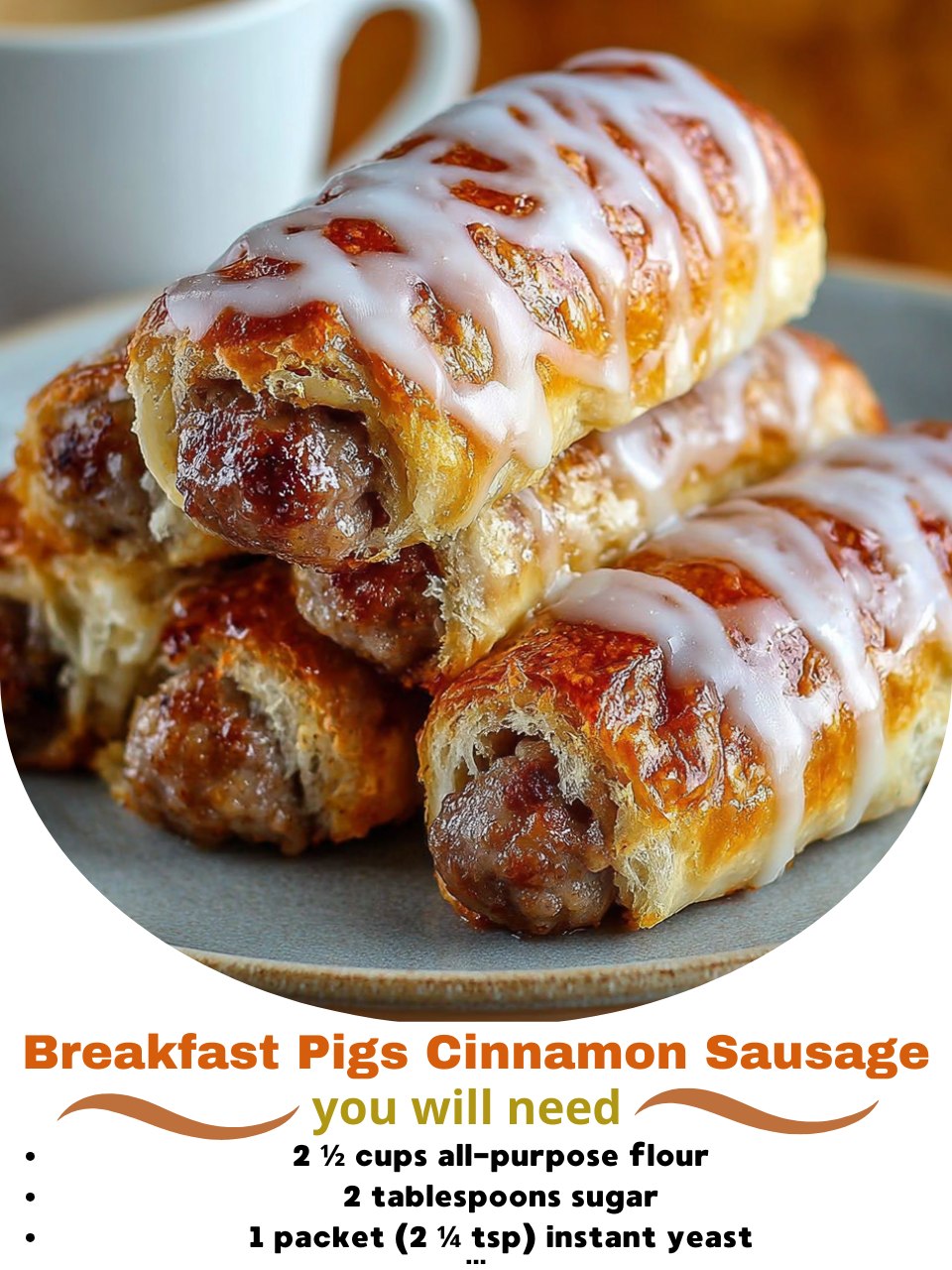
Another common error is rolling the dough too thick. If your dough rectangle is thicker than ¼-inch, your pigs will be overwhelmingly bready, and the dough might not cook through before the outside gets too dark. You want a thin enough layer to wrap snugly around the sausage, creating a harmonious balance. Use a ruler the first time to get a feel for the right thickness—it’s thinner than you might think.
Do not skip the second rise after shaping. I was impatient once and threw them straight in the oven. The result was tough, dense buns because the gluten was too tight. That 30-minute rest allows the wrapped dough to relax and puff slightly, ensuring a light, tender final product. Set a timer and let them have their beauty rest.
Finally, avoid applying the cinnamon sugar too early or too late. If you roll them in the sugar before baking, it will melt and burn. If you wait until they are completely cool, it won’t stick. The magic window is the 60 seconds after they come out of the oven, when they’re hot and buttered. The heat and moisture help the sugar form a delicious, slightly crunchy shell that adheres perfectly.
Serving Suggestions
I love serving these pigs piled high on a big platter in the center of the table, with small bowls of maple syrup, extra cinnamon sugar, and maybe some spicy mustard for dipping on the side. This lets everyone customize their bite. They’re perfect with a big pot of coffee and a fruit salad for a full, satisfying brunch that feels indulgent but isn’t overly complicated.
For a holiday breakfast or Christmas morning, I’ll make a double batch and arrange them on a festive tray alongside other finger foods like mini quiches and fresh berries. They are easy for guests to grab and eat while opening presents or mingling, and their playful appearance always brings a smile. A dusting of powdered sugar over the top makes them look even more special.
My absolute favorite way to enjoy them, though, is straight from the baking sheet while they’re still almost too hot to handle, with a cold glass of milk. The contrast of the warm, soft, sugary bun with the savory, juicy sausage is breakfast heaven. It’s a complete meal in one delightful, handheld package.
Variations & Customizations
For a fun twist, try using different sausages. Apple chicken sausages add a wonderful sweet note, and spicy Andouille links create a “sweet heat” version that’s fantastic for a brunch with a kick. I’ve even used little smokies cocktail sausages to make mini pigs—perfect for a party appetizer. Just adjust the baking time down by a few minutes for smaller sausages.
You can play with the dough coating, too. Instead of cinnamon sugar, try rolling the buttered pigs in everything bagel seasoning for a fully savory version, or in a mixture of grated Parmesan and dried herbs. For a fall-themed treat, mix the sugar with pumpkin pie spice instead of just cinnamon. Each variation creates a totally different flavor profile.
If you want to make them ahead for a busy morning, you can assemble the pigs up through the shaping stage, then cover the baking sheet tightly with plastic wrap and freeze them solid. Once frozen, transfer them to a freezer bag. The morning you want them, place the frozen pigs on a parchment-lined sheet, let them thaw and rise for about 90 minutes at room temperature, then bake as directed. It’s a lifesaver for effortless, impressive mornings.
How to Store, Freeze & Reheat
Once completely cooled, I store any leftover pigs in an airtight container at room temperature for up to 2 days. They are best eaten the day they are made, as the cinnamon sugar coating will start to soften and melt into the bun over time. I do not recommend storing them in the fridge, as it will accelerate staling and make the buns dry and tough.
You can freeze these beautifully, both baked and unbaked. To freeze baked pigs, let them cool completely, then wrap each one individually in plastic wrap and place them in a heavy-duty freezer bag. They’ll keep for up to 2 months. To freeze unbaked pigs (my preferred method), arrange the shaped pigs on a baking sheet and freeze until solid, then transfer to a freezer bag. This is the ultimate “fresh-baked” shortcut.
To reheat, I never use the microwave—it makes the bun gummy and the sugar coating disappear. For one or two pigs, I reheat them in my air fryer or toaster oven at 350°F for 4-5 minutes until warmed through and the outside is crisp again. For a larger batch, I place them on a baking sheet, cover loosely with foil, and warm in a 325°F oven for 8-10 minutes. This method restores their fresh-baked texture and warmth perfectly.
Conclusion
These Breakfast Pigs are more than just a clever recipe; they’re a joyful little ritual that turns an ordinary morning into something memorable. They’ve become a cherished part of my family’s weekend tradition, and the happy silence that falls over the table when I serve them is the best compliment a home cook can get. I hope this recipe brings the same warmth, fun, and deliciousness to your kitchen. Trust me, once you make these, you’ll understand why they’re always a cause for celebration. Happy baking