
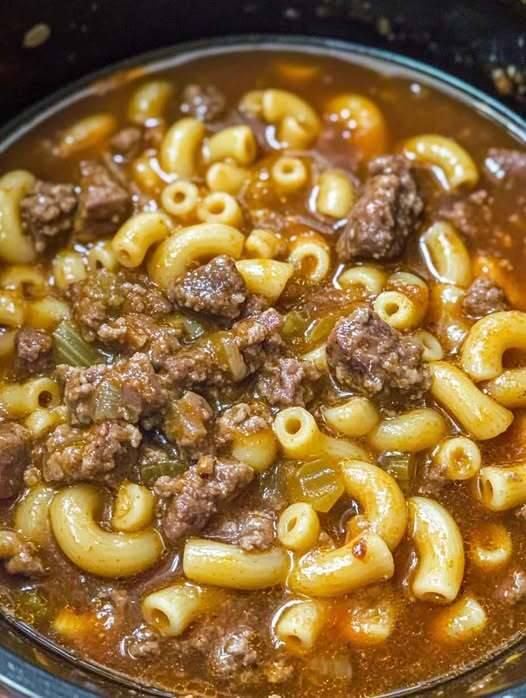
After 15 minutes, it’s pasta time. Stir in the one cup of dry elbow macaroni. The soup should be at a steady simmer. Cook, stirring occasionally to prevent sticking, for the time indicated on your macaroni package, usually 7-10 minutes. The pasta will cook directly in the broth, absorbing that amazing flavor. Do not overcook it! The macaroni should be al dente—tender but with a slight bite. Remember, it will continue to soften a bit in the hot soup even after you turn off the heat. Once the pasta is done, remove the pot from the heat and fish out the bay leaf. Taste the soup—this is crucial—and season with salt and pepper as needed.
Pro Tips for Best Results
I tested the pasta addition three ways: cooking it separately and adding it, cooking it in the soup for the full simmer, and adding it in the last 10 minutes. Adding it in the last 10 minutes of simmering is the absolute winner. Cooking it separately dilutes the soup’s flavor, and cooking it the whole time turns it to mush. The last 10 minutes gives you perfectly textured pasta that soaks up the broth without becoming bloated.
Here’s what I learned the hard way about broth absorption: the pasta will continue to drink up the liquid as it sits. If you think your soup looks a bit too brothy when the pasta is done, it’s probably perfect. I’ve added extra water before only to end up with a thick stew an hour later. Let it rest for 15 minutes off the heat before serving; it will thicken to the ideal consistency.
For a richer, deeper flavor, try a trick I now always use: after browning the beef and removing it, add a tablespoon of tomato paste to the veggie mixture and cook for 1-2 minutes until it darkens slightly. This caramelization adds a wonderful sweet-savory richness to the entire soup base.(See the next page below to continue…)