
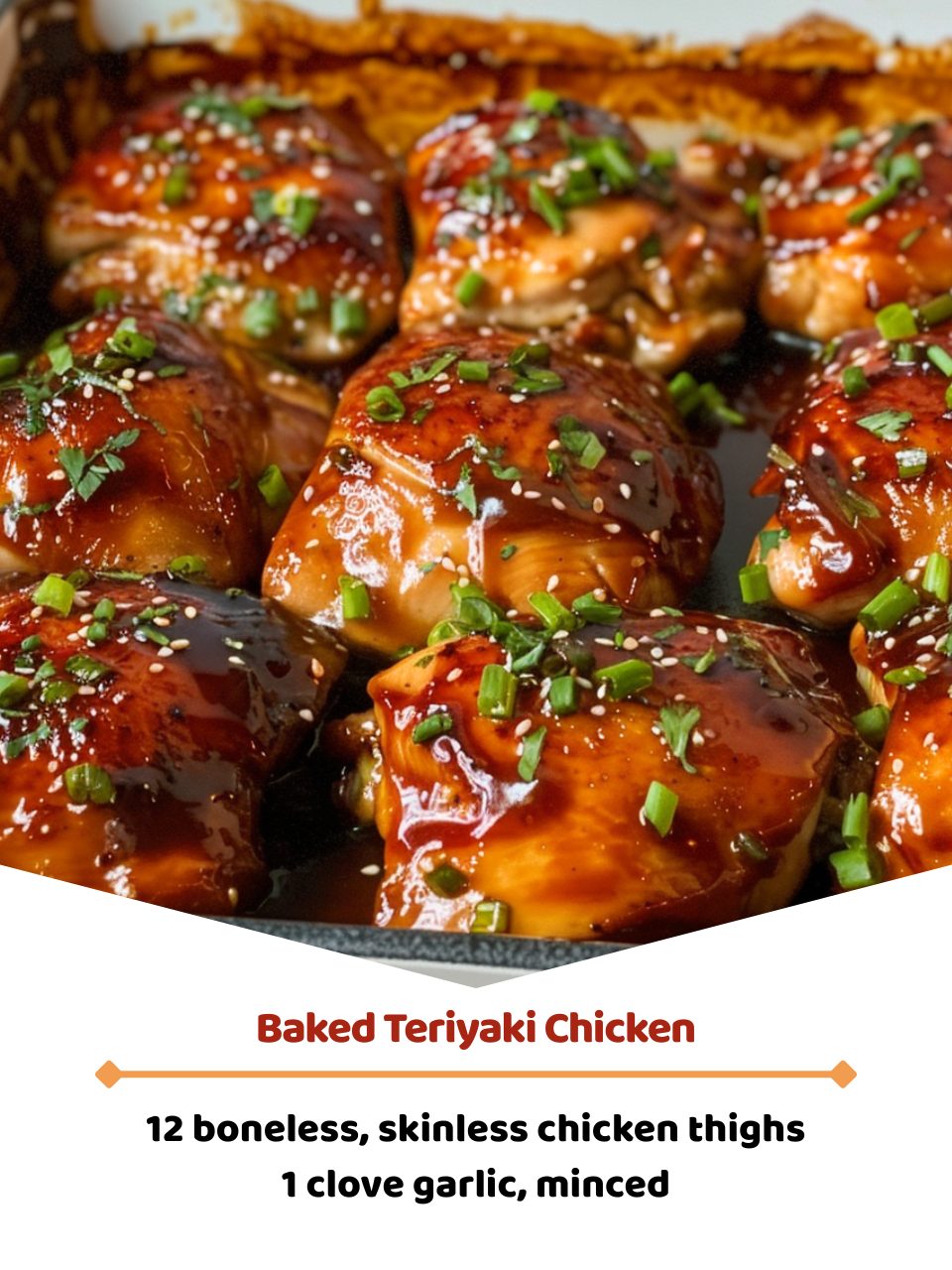
Baked Teriyaki Chicken stands as a weeknight hero—tender, juicy chicken coated in a shiny, sweet-salty glaze that delivers big flavor without loads of effort. Rooted in the Japanese “teriyaki” method, where meats are glazed and cooked to glossy perfection, this version harnesses the power of oven roasting to marry convenience and irresistible taste.
Whether you pile it over fluffy rice, toss it in salads, or present it as a party platter, Baked Teriyaki Chicken is beloved for its approachable method and restaurant-quality results. Each bite sings with ginger, garlic, soy sauce, and the ideal hint of sweetness—a comforting, savory dish that’s as easy as it is addictive.
Why You’ll Love It
This recipe is all about crowd-pleasing simplicity. Unlike stovetop or grilled teriyaki—which can be a bit fussy and prone to flare-ups—the baked method makes things essentially hands-off. Chicken stays plump and moist as it soaks up the homemade sauce, which thickens to a sticky glaze while roasting. No bottled sauces: you control the flavors and the salt.
The entire dish comes together in one pan, cleans up fast, and can be prepped ahead for busy nights or marinated to deepen flavors. It’s gluten-free friendly, easy to adapt to other proteins, and guaranteed to win over picky kids and adults alike. Meal-preppers delight: leftovers are even better hot or cold!
Key Ingredients
- 2–2.5 lbs chicken thighs or breasts (boneless/skinless, or bone-in for juicier results)
- 1/2 cup low-sodium soy sauce (or tamari for gluten-free)
- 1/3 cup honey or brown sugar
- 1/4 cup rice vinegar or apple cider vinegar
- 2 tablespoons mirin (optional, for extra shine and complexity)
- 2 tablespoons sesame oil or neutral oil
- 3–4 garlic cloves, minced
- 1 tablespoon ginger, grated (or 1 tsp ground ginger)
- 2 tablespoons cornstarch + 1/4 cup water (for slurry)
- 2 tablespoons water (for sauce)
- 1 tablespoon toasted sesame seeds (garnish)
- 2–3 scallions, sliced (garnish)
- Optional: red pepper flakes for heat
- Optional: broccoli florets, chopped bell pepper, carrot, or snap peas for extra veggies
Preparation
Preheat oven to 400°F (200°C). Lightly grease a baking dish or line with foil. Pat chicken dry and season lightly with salt and pepper. Arrange in one layer, skin side up if using bone-in.
In a saucepan, whisk together soy sauce, honey, vinegar, mirin (if using), sesame oil, garlic, ginger, and 2 tbsp water. Bring to a gentle simmer. Mix cornstarch with 1/4 cup cold water until smooth, then whisk into sauce and simmer 1–2 minutes, until thickened and glossy.
Pour two-thirds of the sauce over the chicken, turning pieces to coat. Reserve remaining sauce for basting or drizzling.
Bake uncovered 25–30 minutes for boneless thighs or breasts (40–45 minutes for bone-in), basting halfway with reserved sauce. For caramelized edges, broil the last 3 minutes, watching closely.
Rest 5 minutes before serving. Slice and drizzle with more sauce; top with sesame seeds and green onions.
Technique, Tips & Tricks
For extra flavor, marinate chicken up to 24 hours in cooled sauce before baking. Let chicken come to room temperature before roasting for even cooking.
Thickening the sauce before baking ensures it glazes, not puddles. For sticky skin, baste pieces several times as they finish roasting.
If adding veggies, snuggle them between chicken pieces for the final 20 minutes of baking. For extra-juicy chicken, use bone-in, skin-on thighs. For leaner meals, boneless breasts are perfect—just don’t overbake.
Let chicken rest after baking for maximum juiciness. Reserve leftover sauce for drizzling over rice, noodles, or meal prep bowls.
Substitutions and Variations
- Gluten-free: use tamari or coconut aminos for soy.
- Sugar-free: substitute honey with monk fruit syrup or allulose.
- Swap chicken for boneless pork chops, salmon fillets, or tofu.
- Add a splash of pineapple juice or orange zest for a tropical twist.
- Stir in sriracha or chili garlic paste for a spicy kick.
- No mirin? Use a splash of dry sherry or extra vinegar with a bit more honey.
- For meal prep, cube chicken, bake, and serve tucked into lettuce wraps, salads, or grain bowls.
Slow cooker: Add chicken, pour sauce, cover, cook LOW 3–4 hours (breasts) or 5 hours (thighs); thicken sauce on stovetop.
Serving Suggestions
Serve over white or brown rice, rice noodles, or quinoa. Add a side of steamed broccoli, snow peas, or roasted carrots for a complete meal.
Slice leftovers for stir-fry, sandwiches, wraps, or bento-style lunchboxes. Garnish before serving with toasted sesame seeds and a flurry of scallion greens. For parties, slice and skewer pieces with toothpicks, set out dipping sauce, and garnish with extra seeds and chives.
Balance flavors with crisp Asian slaw, cucumber salad, or pickled veggies. For dessert, offer fresh fruit, mochi, or coconut milk pudding to echo the sweet-salty Asian notes.
Story & Origins
The term “teriyaki” comes from the Japanese words “teri” (shine/gloss) and “yaki” (grill/broil). Traditionally, meats are marinated in soy, mirin, and sugar, then grilled for a shiny, sweet-salty coating. In the 20th century, teriyaki-style sauces and dishes became popular in Hawaii, the West Coast, and throughout America—especially adapted for oven and pan methods.
Baked teriyaki chicken is a Western innovation, trading outdoor grilling for hands-off roasting but keeping all the beloved flavors. Today, the method is a staple in health-conscious kitchens, family meal plans, and takeout copycat menus alike.
Nutrition Notes
Chicken is a lean source of protein, iron, and B vitamins. Reduce sodium by using low-sodium soy, and cut sugar by choosing honey or sugar-free alternatives. Adding vegetables boosts fiber and vitamins.
For heart-healthy versions, use skinless white meat or tofu. For keto or low-carb, serve with riced cauliflower or greens.
The homemade sauce lets you control additives, making it a healthier option than store-bought or takeout.
Portion mindfully; the glaze is sweet-savory, so pair with plenty of crisp greens or whole grains.
Flavors & Pairings
Pair with classic steamed rice, fluffy farro, or even coconut rice for a tropical touch. Serve with bright sides—Asian cucumber salad, miso soup, or slaw.
Enjoy with jasmine or green tea, light white wine, or crisp lager for refreshing contrast. For summer, cold soba noodle salad is a wonderful partner.
Top chicken with sesame seeds, scallions, and a squeeze of lime for an added pop.
Frequently Asked Questions
Can I make ahead?
Absolutely. Marinate chicken, cover, and refrigerate up to a day. Bake as directed, basting occasionally.
Can I freeze it?
Yes—cool completely, slice, and freeze with extra sauce. Thaw and reheat in oven or microwave.
Does it reheat well?
Very well! Store leftovers in sauce—microwave gently or reheat in a covered skillet.
Do I have to thicken the sauce first?
It helps glaze the chicken, but you can bake with a runnier sauce and simmer on the stove to thicken after.
What’s the best cut?
Boneless, skinless thighs for juiciness and forgiveness; breasts for leaner results; bone-in for ultimate flavor.
Is the sauce salty?
With low-sodium soy and no-salt broth, it’s not overpowering. Adjust to taste by diluting with a little water.
Can I grill instead?
Yes—marinate, grill over medium-high, basting often.
Is this kid-friendly?
Usually! Kids love the sweet glaze; spice lovers can add chili at the table.
Final Thoughts
Baked Teriyaki Chicken is the fast, flavorful, and versatile dish that proves homemade can outshine takeout. With just a handful of ingredients, effortless oven roasting, and plenty of room to make it your own, it’s a recipe you’ll return to week after week for everything from quick weeknight meals to laid-back entertaining.