
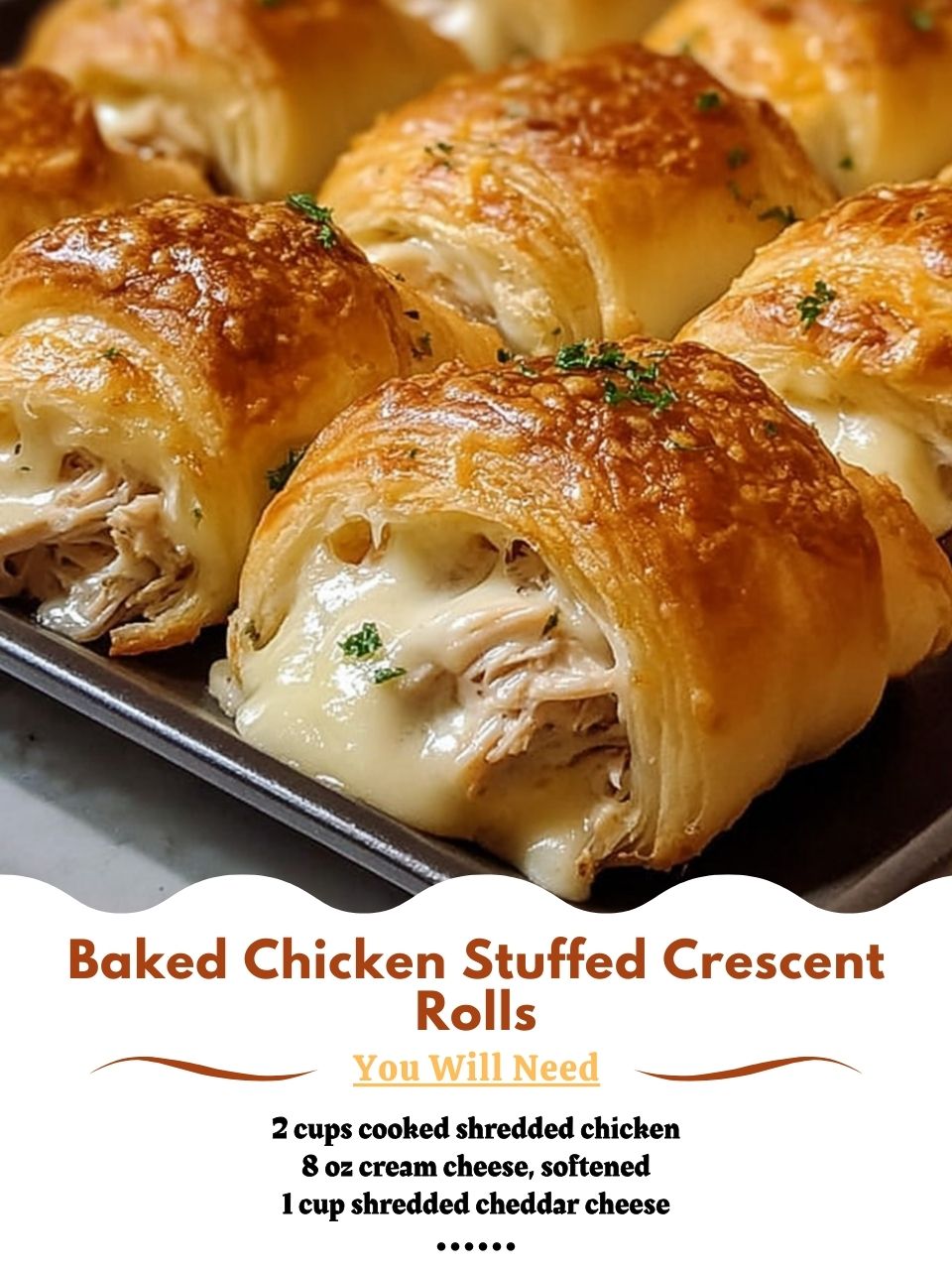
This is the fun, slightly therapeutic part: rolling them up. Starting at the wide end, gently but firmly roll each triangle up around the filling, tucking in the sides as you go to encase it completely. You’ll end up with a plump little package. Place each roll seam-side down on your prepared baking sheet, spacing them about two inches apart. They need room to puff up and spread a little. Once they’re all assembled, I give them a quick brush with the melted butter. This isn’t just for color; it adds an extra layer of flavor and helps the pastry achieve that perfect, flaky texture.
Slide the baking sheet into your preheated oven and bake for 11-14 minutes. Keep a close eye starting at the 11-minute mark. You’re looking for a deep, golden brown color and a filling that’s visibly hot and bubbly. The smell at this stage is absolutely divine. I pull them out and let them cool on the sheet for just 5 minutes—this lets the filling set slightly so it doesn’t all rush out when you take a bite. Then, they’re ready to be devoured.
Pro Tips for Best Results
My number one tip is to truly seal the rolls. After you roll them up, give the pointed tip a gentle press onto the body of the roll. I also always place them seam-side down on the baking sheet. This double security measure helps prevent them from unraveling or bursting open in the oven, which keeps all that creamy goodness right where it belongs—inside the roll.
For the most flavorful filling, season it well and consider adding one “secret” ingredient. After testing it plain, I started adding a teaspoon of dry ranch seasoning mix or a tablespoon of finely chopped green onions or buffalo sauce to the chicken mixture. It takes the flavor profile to a whole new level with almost no extra effort. Trust me, it’s a game-changer.
If you have the time, let the assembled, unbaked rolls rest on the baking sheet in the fridge for 15-20 minutes before putting them in the oven. This chills the butter in the dough, which leads to a higher, flakier rise. I don’t always have time for this, but when I do, I notice a definite improvement in the pastry’s texture.
Common Mistakes to Avoid
The most tempting mistake is overfilling the rolls. I made this error in my first batch, thinking more filling was always better. What I got were rolls that burst spectacularly in the oven, leaking cheese all over the pan. A heaping tablespoon is perfect—it seems modest, but it bakes up into the ideal filling-to-dough ratio.
Don’t use cold cream cheese. If it’s not softened, it will never blend smoothly with the cheese and chicken. You’ll be left with frustrating chunks of cream cheese in your filling. I’ve tried to microwave it to soften it quickly, but if it gets at all melted, the filling consistency is wrong. Plan ahead for room-temp cream cheese.
Avoid under-baking. The crescent dough browns quickly, so it’s easy to pull them out when they look done but the center is still just warm, not hot and bubbly. This leads to a slightly doughy center where the dough touches the filling. Give them the full time until you see active bubbling around the seams for a fully cooked-through experience.(See the next page below to continue…)