
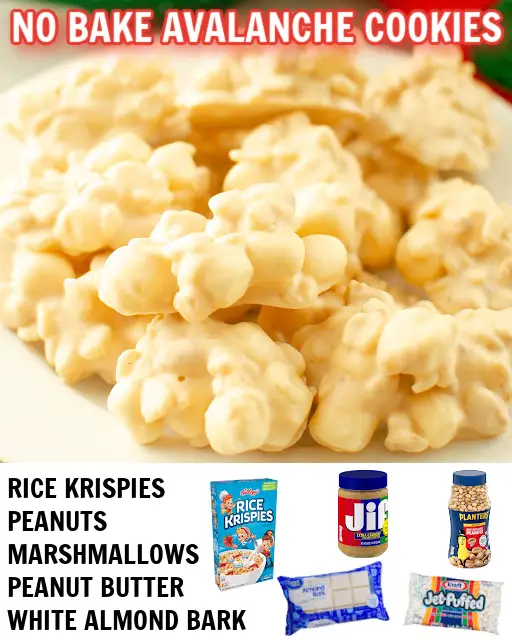
Finally, using a cookie scoop, I drop little clusters onto the parchment paper. They form cute, rustic-looking mounds that don’t need to be perfect—they have that delightful homemade charm. I let them sit at room temperature for about 20 minutes or, if I’m impatient, pop them into the fridge for faster setting. When they firm up, the outside becomes smooth and slightly glossy, while the inside stays crispy, chewy, and full of texture. It’s impossible not to taste one immediately.
Pro Tips for Best Results
I tested this recipe three different ways, and one thing became very clear: chopping the almond bark into small chunks before melting saves so much time and keeps the texture smooth. When I tried microwaving it whole, the edges overheated while the center stayed firm, resulting in uneven melting. Taking the extra minute to chop it made all the difference. Another tip is to melt the almond bark slowly. Heating it too quickly can cause it to seize or become grainy.
I also learned the hard way not to add too many mix-ins. It’s tempting to keep piling cereal, peanuts, and marshmallows into the bowl, but if the ratio of dry ingredients to coating gets too high, the cookies will crumble and won’t hold their shape. Stick to the measurements, and you’ll get the perfect balance. If your mixture feels too thick, you can add a spoonful more melted almond bark or peanut butter to loosen it.
Letting the cookies set at room temperature produces the best texture. When I chilled them too soon, the coating hardened faster than the marshmallows and caused slight cracking on the outside. Setting them at room temp gives them time to firm up gently and evenly. However, if it’s a hot day, a few minutes in the fridge after they’ve started to set helps finish the job without sacrificing texture.
And lastly, use parchment paper instead of foil or wax paper. Wax paper sometimes sticks to the bottom of the cookies when the almond bark is still warm, and foil can leave odd impressions. Parchment releases perfectly every time, keeping the bottoms smooth.
Common Mistakes to Avoid
I made the mistake once of using white chocolate chips instead of almond bark without adding any oil. The chocolate thickened immediately and became too stiff to coat the cereal properly. If you substitute chocolate chips, always add a teaspoon of coconut oil or shortening to keep the mixture loose. Another common error is overheating the almond bark—doing so will cause it to clump. Stirring between each 30-second interval prevents this.
Another mistake is adding the marshmallows too early. If the almond bark mixture is too hot, it will melt the marshmallows completely, and you’ll lose that chewy, soft texture. I let the mixture cool for about a minute before folding everything together. You still get a bit of melting, but the marshmallows stay intact. When I skipped this cooling step, I ended up with a sticky mess instead of individual pops of chewiness.(See the next page below to continue…)