
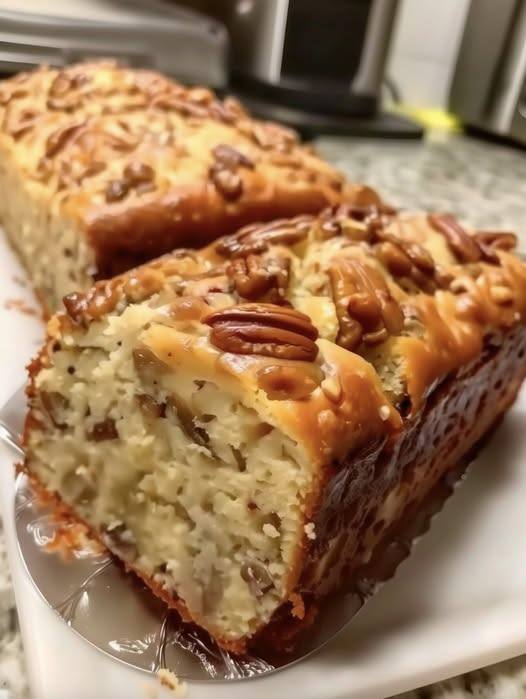
I divide the thick batter evenly between my two prepared pans. I smooth the tops with the spatula. Then, I artfully press the reserved pecan halves into the top of each loaf, creating a beautiful pattern. This isn’t just for looks; it creates that iconic, crunchy pecan topping. I place the pans in the center of the oven and bake for 60-75 minutes. The smell as it bakes is pure torture in the best way.
Pro Tips for Best Results
Room-temperature ingredients are not a suggestion; they’re a rule. Cold buttermilk and eggs can cause the oil to solidify in little droplets, leading to a greasy, uneven texture. I take my ingredients out at least an hour before. If I forget, I place the eggs in warm water for 10 minutes and microwave the buttermilk in 10-second bursts until it’s no longer cold.
I tested mixing methods three different ways: by hand, with a stand mixer on low, and on high. By hand folding with a spatula was the clear winner for texture. The stand mixer, even on low, easily overmixed the batter in seconds, resulting in a denser, tighter crumb. Gentle hand mixing keeps the bread tender and light. Trust me on this one.
The low and slow bake at 325°F is essential. My first attempt at 350°F caused the sugary top to darken too quickly while the inside was still raw. The lower temperature allows this dense, sweet bread to cook through evenly without burning. Start checking with a toothpick at the 60-minute mark—it should come out with just a few moist crumbs attached, not wet batter.
For an extra glossy, crackly top crust, I brush the loaves with a simple syrup in the last 10 minutes of baking. I mix 2 tablespoons of sugar with 1 tablespoon of water, microwave until dissolved, and brush it lightly over the top. It gives the finished loaf a professional, bakery-style sheen and a little extra sweetness on the crust.
Common Mistakes to Avoid
Overmixing the batter is the number one mistake and the easiest to make. The moment the wet and dry ingredients are combined, gluten starts to form. Stirring until it’s perfectly smooth will give you a tough, chewy bread. Stop folding when you still see a few pockets of dry flour; they’ll incorporate as you fold in the pecans. A few lumps are absolutely fine.
Using cold ingredients was my first major error. The oil seized up, and my bread baked up with weird, dense spots. It also didn’t rise properly because the cold buttermilk slowed the reaction with the baking soda. Plan ahead for room temp everything. It’s the single easiest way to guarantee a perfect, uniform texture.
Not toasting the pecans is a flavor miss. Raw pecans are good, but toasted pecans are transformative. They release their natural oils and become crisp and deeply fragrant. Toasting them beforehand ensures they stay crunchy in the moist bread and their flavor permeates every single bite. Don’t skip this ten-minute step—it makes a huge difference.(See the next page below to continue…)