
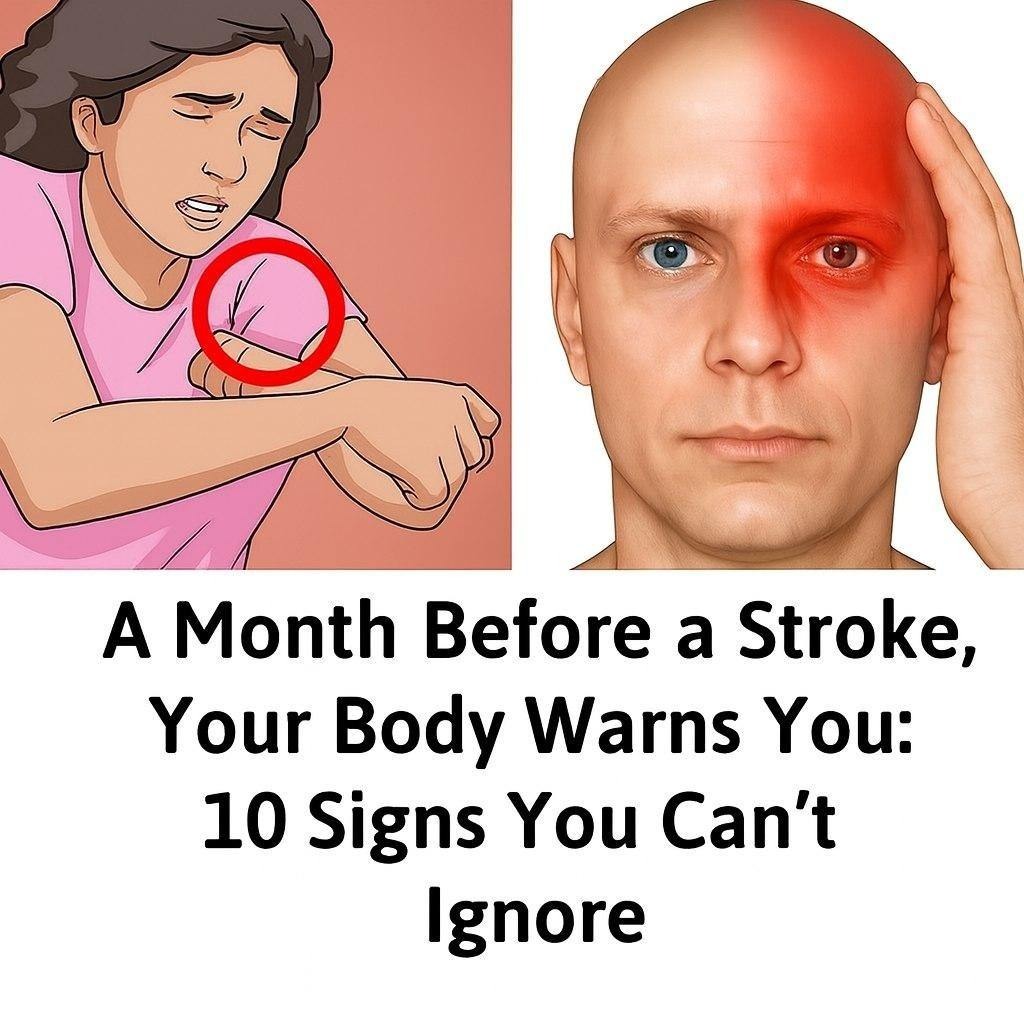
Recognizing early warning signs of a stroke can truly save a life. Many people believe strokes happen suddenly, but the body often sends signals weeks in advance. Understanding these symptoms allows you to act quickly, seek medical help, and dramatically improve survival rates.
A stroke occurs when blood flow to the brain is disrupted, cutting off essential oxygen. This damage can lead to lifelong complications or even death. Because timing is critical, knowing what your body is trying to tell you is your best defense.
Below are the signs experts say can appear up to a month before a stroke, giving you time to take action before it’s too late.
What Exactly Is a Stroke?
A stroke happens when the brain cannot get enough oxygen because its blood supply has been reduced or blocked. When this occurs, brain cells begin to die within minutes. This makes rapid treatment absolutely crucial for preventing permanent damage.
There are three main types of strokes, and each affects the brain differently. The most common is the ischemic stroke, caused by a clot or fatty plaque blocking a blood vessel. Hemorrhagic strokes occur when a weakened vessel ruptures and causes bleeding in the brain.
There is also the transient ischemic attack (TIA), sometimes called a “mini stroke.” It resolves quickly but serves as a serious warning. Many people overlook it because the symptoms disappear, but it is one of the biggest predictors of a future major stroke.
Why Symptoms Appear Weeks Before
Doctors explain that some early signs develop gradually because circulation problems don’t always happen suddenly. Reduced blood flow can lead to subtle changes in memory, vision, movement, or speech. These changes may come and go, making them easy to ignore.
Another reason symptoms may show early is due to ongoing artery damage from factors like cholesterol buildup or high blood pressure. As arteries narrow, the brain receives less oxygen, creating the conditions for a stroke long before the actual event.
This is why maintaining healthy habits is vital. Controlling cholesterol, eating nutritious foods, avoiding smoking, and reducing alcohol intake all significantly lower the chances of experiencing a stroke.
Early Warning Sign 1: Visual, Auditory, or Smell Hallucinations
Although unusual, experiencing hallucinations can be an important clue. Some people notice flashes of light, strange shapes, or distorted vision that can’t be explained. These changes often happen when blood flow to the visual centers of the brain is compromised.
Auditory or olfactory hallucinations—hearing sounds or smelling odors that aren’t present—may also indicate neurological stress. They can occur briefly and be dismissed as imagination, yet they are sometimes linked to early brain dysfunction.
If you encounter any unexplained sensory disturbances, especially if they recur, medical evaluation is urgently needed. These episodes may signal a deeper problem affecting the brain’s ability to process information.
Early Warning Sign 2: Extreme Exhaustion
Feeling unusually tired—even after resting—can be an early stroke symptom. This fatigue is not the result of physical effort but rather a lack of proper oxygen supply to the brain. Many people describe it as a heaviness or overwhelming weakness.
This type of exhaustion can last days or weeks. Because it develops slowly, people often attribute it to stress or aging. Yet persistent fatigue may indicate reduced blood circulation or cardiovascular strain.
If your energy levels drop dramatically without explanation, it’s important to pay attention. Fatigue combined with any other symptom on this list could signal that a stroke is approaching.
Early Warning Sign 3: Facial Paralysis
Sudden or temporary facial numbness is one of the most classic warning signs. It may involve one side of the face feeling weak, droopy, or unresponsive. This happens because the facial nerves depend on a steady blood supply to function.
Some individuals experience difficulty smiling or notice that one eye seems less open than the other. These symptoms may be brief, resembling a twitch or numb sensation, then return later with greater intensity.
Any form of facial weakness should be treated as an emergency. Even if the sensation fades, it can be a precursor to a major stroke, especially when accompanied by trouble speaking or moving an arm.
Early Warning Sign 4: Tunnel Vision
Loss of peripheral vision or suddenly seeing only what is directly in front of you is known as tunnel vision. This occurs when blood flow to the visual cortex or optic nerves becomes impaired. It may last a few seconds or longer.
Some people mistake it for eye strain or fatigue, but repeated tunnel vision episodes are never normal. They indicate that the brain is struggling to process visual signals efficiently.
If you notice narrowing vision or blind spots that appear and disappear, contact a doctor immediately. Early intervention can prevent irreversible damage.
Early Warning Sign 5: Loss of Coordination
Unsteadiness, clumsiness, or difficulty controlling your movements may be caused by poor blood circulation to the cerebellum—the part of the brain responsible for balance. This can make simple tasks feel awkward or unsafe.
People sometimes describe stumbling more often, misjudging steps, or dropping objects unexpectedly. These changes are subtle but extremely significant. They suggest that the brain is not communicating properly with the body.
Sudden coordination issues are a medical red flag. They should never be ignored, especially if they appear alongside dizziness or confusion.
Early Warning Sign 6: Speech Difficulties
Slurred speech, trouble finding the right words, or difficulty understanding someone else are important warning signs. These symptoms happen because the areas of the brain responsible for language are not receiving enough oxygen.
People experiencing this may feel as though their tongue is heavy or that their sentences won’t come out correctly. Listeners may notice the speech changes before the person experiencing them does.
If any speech difficulty occurs—even briefly—it must be treated as a stroke warning. Calling emergency services immediately can prevent severe neurological damage.
Early Warning Sign 7: Severe or Unusual Headaches
A sudden, intense headache unlike anything you’ve felt before is a major warning sign. These headaches may come with nausea, dizziness, or sensitivity to light. They are often related to changes in blood vessels or pressure inside the brain.
Individuals who don’t normally get migraines should be particularly cautious. A powerful headache with no clear cause can indicate bleeding or vessel blockage developing slowly.
If a headache feels alarming, sharp, or different from your typical pattern, seek medical attention. Early action can be life-saving.
Early Warning Sign 8: Sudden High Blood Pressure
A sharp spike in blood pressure can strain blood vessels and increase the likelihood of a clot or rupture. High blood pressure is one of the strongest predictors of stroke, often rising in the weeks leading up to one.
People may feel chest pressure, dizziness, or ringing in the ears during these spikes. Others may not feel symptoms at all, making regular monitoring extremely important.
If your blood pressure consistently climbs or suddenly jumps, consult a doctor. Managing it early dramatically lowers stroke risk.
Why Early Detection Matters
Time is the most important factor in stroke survival. The faster someone receives treatment, the better their chances of avoiding lifelong disabilities. Recognizing early symptoms allows you to act before the stroke happens at all.
If you experience any combination of these symptoms, don’t wait. Seek medical advice immediately. It’s far better to be cautious than to miss a warning sign your body is clearly trying to communicate.
A stroke can be devastating, but early awareness gives you power. Your body alerts you for a reason—listen carefully, act quickly, and protect your health.