
Introduction
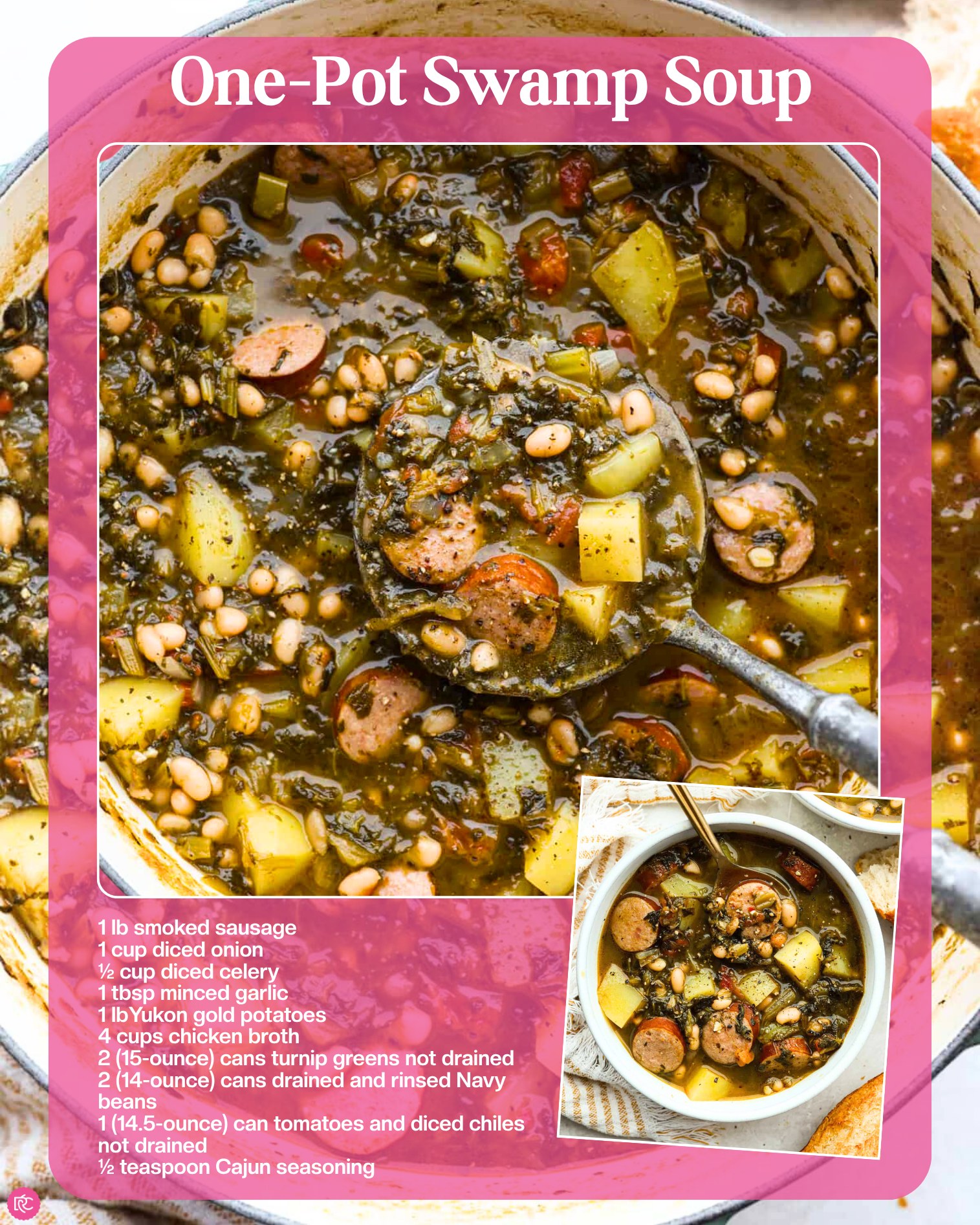
One-Pot Swamp Soup is a fun, flavorful, and comforting dish that brings together hearty ingredients in a single simmering pot. Its name may be whimsical, but the flavor is anything but silly. This soup earns its “swamp” title thanks to its thick, earthy appearance and vibrant green vegetables that swirl beautifully through the broth. Packed with nutritious greens, tender pasta or rice, savory sausage or chicken, and a creamy base, it offers warmth and richness that make it perfect for chilly evenings or busy weeknights. With each spoonful, you get a balance of textures and flavors that create a rustic, satisfying experience.
Despite its playful name, One-Pot Swamp Soup is a dish with surprising depth. The broth blends vegetables, protein, and subtle seasonings into a comforting bowl that tastes like it simmered all day even though it comes together quickly. It’s the type of recipe that appeals to both adventurous kids intrigued by the “swamp” theme and adults who appreciate a hearty, home-cooked meal. The one-pot approach keeps things simple and efficient, turning ordinary ingredients into something flavorful, nourishing, and delightfully memorable.
Why You’ll Love This Recipe
You’ll love this recipe because it delivers rich, comforting flavor with minimal cleanup, easy ingredients, and plenty of flexibility. Whether you prefer a creamy soup, a brothy base, or a heartier stew-like texture, One-Pot Swamp Soup adapts beautifully to your preferences while remaining fun, satisfying, and wholesome.
Ingredients
- 1 pound ground sausage or ground chicken
- 1 tablespoon olive oil
- 1 medium onion, diced
- 3 cloves garlic, minced
- 4 cups chicken broth
- 1 (14.5-ounce) can diced tomatoes
- 1 cup small pasta shells or rice
- 1 teaspoon Italian seasoning
- ½ teaspoon smoked paprika
- ¼ teaspoon crushed red pepper flakes (optional)
- 4 cups fresh spinach or chopped kale
- ½ cup heavy cream or half-and-half
- Salt and pepper to taste
These ingredients combine to create a rich, balanced soup that features protein, greens, and comforting carbs. Ground sausage adds deep flavor, while ground chicken gives a lighter option. The pasta or rice thickens the soup and adds heartiness, and the broth base blends perfectly with tomatoes and seasonings. Smoked paprika adds warmth, while spinach or kale contributes nutrients and gives the soup its signature “swampy” look. Cream softens the acidity and ties everything together, but you can substitute lighter options based on preference.
Equipment Needed
- Large soup pot or Dutch oven
- Wooden spoon
- Cutting board
- Chef’s knife
- Measuring cups
- Measuring spoons
- Ladle
Using a large soup pot or Dutch oven ensures even heat distribution and enough space for all ingredients to cook without overflowing. A sturdy wooden spoon makes it easy to stir the soup and break apart the meat. A quality knife and cutting board help you chop vegetables quickly and efficiently. Measuring tools ensure accuracy for seasonings and liquids, while a ladle makes serving simple and neat. With these basic tools, you can prepare the entire dish without needing extra cookware or complicated equipment.
Step-by-Step Instructions
Start by heating the olive oil in your large pot over medium heat. Once warm, add the ground sausage or chicken, breaking it apart with a wooden spoon as it cooks. Allow the meat to brown fully, developing flavor while releasing natural juices that will deepen the soup’s richness.
Once browned, stir in the diced onion and minced garlic. Cook until the onion becomes translucent and fragrant, allowing its sweetness to blend with the savory meat. This creates the flavorful foundation for the soup and builds aromatic depth.
Next, pour in the chicken broth and add the can of diced tomatoes, including their juices. Stir well to combine these liquids with the browned meat and sautéed vegetables. As the mixture begins to simmer, sprinkle in the Italian seasoning, smoked paprika, and optional crushed red pepper flakes.
These spices infuse the broth with warmth and earthiness, enhancing the rustic “swampy” character of the soup. Bring the mixture to a gentle boil, allowing the flavors to meld while maintaining steady heat.
Once the broth is boiling, add your choice of small pasta shells or rice. Stir briefly to distribute evenly throughout the pot, making sure the grains or pasta are fully submerged. Reduce the heat to medium-low and allow the soup to simmer until the pasta or rice becomes tender.
This step thickens the soup naturally, creating a hearty consistency. Stir occasionally to prevent sticking and ensure all ingredients cook evenly. Keep an eye on the soup’s thickness—if it becomes too thick for your liking, simply add a splash of additional broth.
When the pasta or rice is fully cooked, stir in the fresh spinach or chopped kale. The greens will wilt quickly, turning the soup into its signature swamp-like appearance as they blend into the savory broth. Once the greens soften, reduce the heat to low and pour in the heavy cream or half-and-half. Stir gently to create a smooth, velvety finish. Taste and adjust with salt and pepper as needed. Allow the soup to warm through without boiling, then serve immediately for best flavor and texture.
Pro Tips for Best Results
One of the most effective ways to elevate this soup is to allow the meat to brown deeply before adding the vegetables or broth. Browning creates caramelized bits on the bottom of the pot that enrich the flavor and enhance the broth’s complexity. Give the meat time to color rather than rushing through this step; patience here pays off in bold, savory depth.
Another helpful tip is to strike the right balance between pasta or rice and liquid. If you prefer a more brothy soup, use less pasta or add extra broth as needed. For a thicker, stew-like soup, allow the pasta or rice to cook a little longer and absorb more liquid. Adjusting the ratio helps tailor the soup to your personal taste and ensures every bowl meets your ideal consistency.
Adding the greens at the right moment also contributes to a beautiful final texture. Introducing spinach or kale toward the end of cooking allows them to wilt gently without becoming overly soft. Spinach melts into the broth quickly, while kale holds its shape and offers a heartier bite. Both options help create the signature swamp appearance while adding valuable nutrients.
To achieve the creamiest finish, warm the cream or half-and-half slightly before adding it to the soup. Adding cold dairy to a hot simmer can cause separation or reduce the smoothness of the broth. Gently warming it helps it blend seamlessly, creating a velvety texture that elevates the entire pot.
Common Mistakes to Avoid
A common mistake is adding the pasta or rice too early, which can cause them to overcook and become mushy. Since these ingredients continue to absorb liquid even after the heat is reduced, it’s important to add them at the appropriate time and monitor their tenderness closely. Overcooked pasta or rice can thicken the soup too much and compromise its texture.
Another issue arises when the heat is kept too high after adding the cream. Boiling dairy can cause it to split or curdle, resulting in a grainy appearance. To maintain a smooth, rich finish, always lower the heat before adding cream and avoid returning the soup to a full boil afterward. This small adjustment preserves both taste and texture.
Failing to properly season the soup at the end can also diminish the final flavor. While the spices added earlier contribute aroma and warmth, a final adjustment with salt and pepper ensures the overall balance. Tasting before serving helps you determine whether the broth needs brightness, saltiness, or a subtle hint of heat.
Finally, adding greens too early in the cooking process can cause them to over-soften and disappear into the soup completely. While some blending is intended, adding them too soon turns them limp and can muddy the appearance. Waiting until the last few minutes keeps the greens vibrant and enhances the soup’s rustic character.
Serving Suggestions
One-Pot Swamp Soup pairs beautifully with crusty bread, which helps soak up the rich broth and adds a satisfying crunch to the meal. A warm baguette, sourdough slice, or garlic toast complements the soup’s hearty texture and enhances each spoonful. Bread also makes the meal more filling, turning the soup into a complete and comforting dinner.
For a lighter accompaniment, serve the soup with a simple green salad tossed with a tangy vinaigrette. The acidity from the dressing provides a refreshing contrast to the creamy, savory soup. This pairing works well for those seeking balance in their meal, offering a bright and crisp side dish. It also adds fresh textures that enhance the overall dining experience.
If you’re looking to create a themed meal, present the soup in rustic bowls with playful garnishes. A sprinkle of parmesan cheese, a swirl of cream, or a few extra greens can add visual appeal. For children, adding fun crackers or veggie-shaped toppings creates excitement around the “swamp” theme and encourages enthusiastic eating.
To turn the soup into a more elaborate dinner option, serve it alongside roasted vegetables or grilled protein. A side of roasted Brussels sprouts, chicken sausages, or lemon-seasoned shrimp complements the soup’s flavors while adding additional nutrients and textures. This transforms the dish from a cozy bowl to a complete, multi-component meal suitable for gatherings or family dinners.
Variations & Customizations
For a richer and more indulgent version, consider adding cooked bacon or pancetta to the soup. These additions bring a smoky depth that enhances the rustic qualities of the dish and complements the swampy appearance. Stirring in a small amount of shredded cheese, such as cheddar or parmesan, can also add creaminess and elevate the flavor profile.
For a lighter version, replace the sausage with lean ground turkey or omit the meat entirely for a vegetarian option. Substitute vegetable broth and increase the amount of greens, beans, or mushrooms to maintain heartiness. Adding white beans or chickpeas contributes protein and texture, ensuring the vegetarian version remains satisfying and nutritious.
You can also play with the spices to shift the flavor profile. Adding curry powder, cumin, or turmeric creates a warm, aromatic twist that transforms the dish into a fusion-style soup. Alternatively, add fresh herbs like basil or parsley at the end of cooking for brightness and herbal notes that contrast with the rustic base. These variations offer creative ways to suit different flavor preferences.
Adjusting the type of pasta or grain can change the soup’s overall texture. Try using orzo for a more delicate consistency or substituting wild rice for added chewiness and earthiness. For a low-carb option, replace pasta with cauliflower rice, which absorbs flavors while keeping the soup light. These customizations allow you to adapt the recipe to dietary needs or personal tastes.
How to Store, Freeze & Reheat
One-Pot Swamp Soup stores very well, making it great for meal prep or leftovers. Refrigerate the soup in airtight containers for up to four days. The flavors often deepen slightly after a day, making leftovers even more delicious. If the soup thickens in the fridge, simply add a small amount of broth or water when reheating to restore the desired consistency.
To freeze the soup, allow it to cool completely before transferring it to freezer-safe containers. Leave a bit of space at the top to account for expansion. Frozen soup keeps well for up to three months and reheats beautifully. Label the containers with the date to help manage storage time. Avoid freezing if using delicate pasta, as it may become overly soft; rice holds up better.
Reheating the soup is easy and can be done on the stove over medium heat. Allow it to warm gradually and stir occasionally to promote even heating. If the soup contains cream, reheat gently to avoid curdling. You can also reheat individual servings in the microwave, stirring halfway through for consistent warmth.
If reheating from frozen, thaw overnight in the refrigerator whenever possible. Thawing gradually helps retain texture and prevents the cream from separating. Once thawed, reheat using your preferred method. Add freshly chopped greens during reheating if you want a more vibrant and fresh appearance in the final bowl.
Nutrition Information
One-Pot Swamp Soup provides a balanced combination of protein, vegetables, and carbohydrates, making it a satisfying and hearty dish. The sausage or chicken adds essential protein and fats, contributing to the soup’s richness and staying power. If you choose leaner proteins or plant-based alternatives, you can adjust the calorie and fat content to suit your dietary needs.
The greens, whether spinach or kale, supply vitamins A, C, and K along with valuable antioxidants. These leafy vegetables contribute to the soup’s vibrant color and add nutritional benefits without overpowering the flavor. Including a generous amount of greens enhances both the healthfulness and visual appeal of the dish.
Pasta or rice provides carbohydrates that give the soup its satisfying texture and help make it filling. If you’re concerned about carb intake, options like cauliflower rice offer a lighter alternative without sacrificing taste. Adjusting the grains or vegetables allows you to tailor the nutritional profile to individual preferences.
The cream adds richness and contributes to a smooth, velvety texture. While it increases the calorie content, you can substitute half-and-half or a dairy-free alternative for a lighter version. Ultimately, One-Pot Swamp Soup is versatile enough to be enjoyed as part of a balanced diet, especially when paired with nutrient-dense sides.
FAQ Section
1. Can I make this soup vegetarian?
Yes, simply replace the sausage with plant-based crumbles or omit the protein entirely. Use vegetable broth instead of chicken broth and add extra beans, mushrooms, or vegetables to maintain heartiness and depth.
2. Can I use frozen greens instead of fresh?
Frozen spinach or kale works well in this soup. Add them directly to the pot without thawing and allow them to heat through. They will blend into the soup just as nicely as fresh greens.
3. What can I use instead of cream for a lighter version?
Half-and-half, whole milk, or unsweetened coconut milk can replace the heavy cream. These alternatives provide creaminess without the richness of full cream, making the soup lighter while still flavorful.
4. How do I prevent the pasta from becoming mushy?
Add the pasta toward the end of cooking and monitor it closely. Remove the pot from the heat as soon as the pasta reaches al dente. If storing leftovers, consider cooking pasta separately and adding it to individual servings.
5. Can I make this recipe in a slow cooker?
Yes, brown the meat first, then add all ingredients except the cream and greens to the slow cooker. Cook on low for 5–6 hours, stir in the greens during the last 20 minutes, and add the cream just before serving.
Conclusion
One-Pot Swamp Soup is a playful, hearty, and comforting meal that combines savory ingredients, nutritious greens, and rich, creamy broth into a flavorful dish perfect for busy nights or cozy gatherings. With its simple preparation, flexible ingredients, and delicious results, it brings warmth, nourishment, and joy to every bowl.