
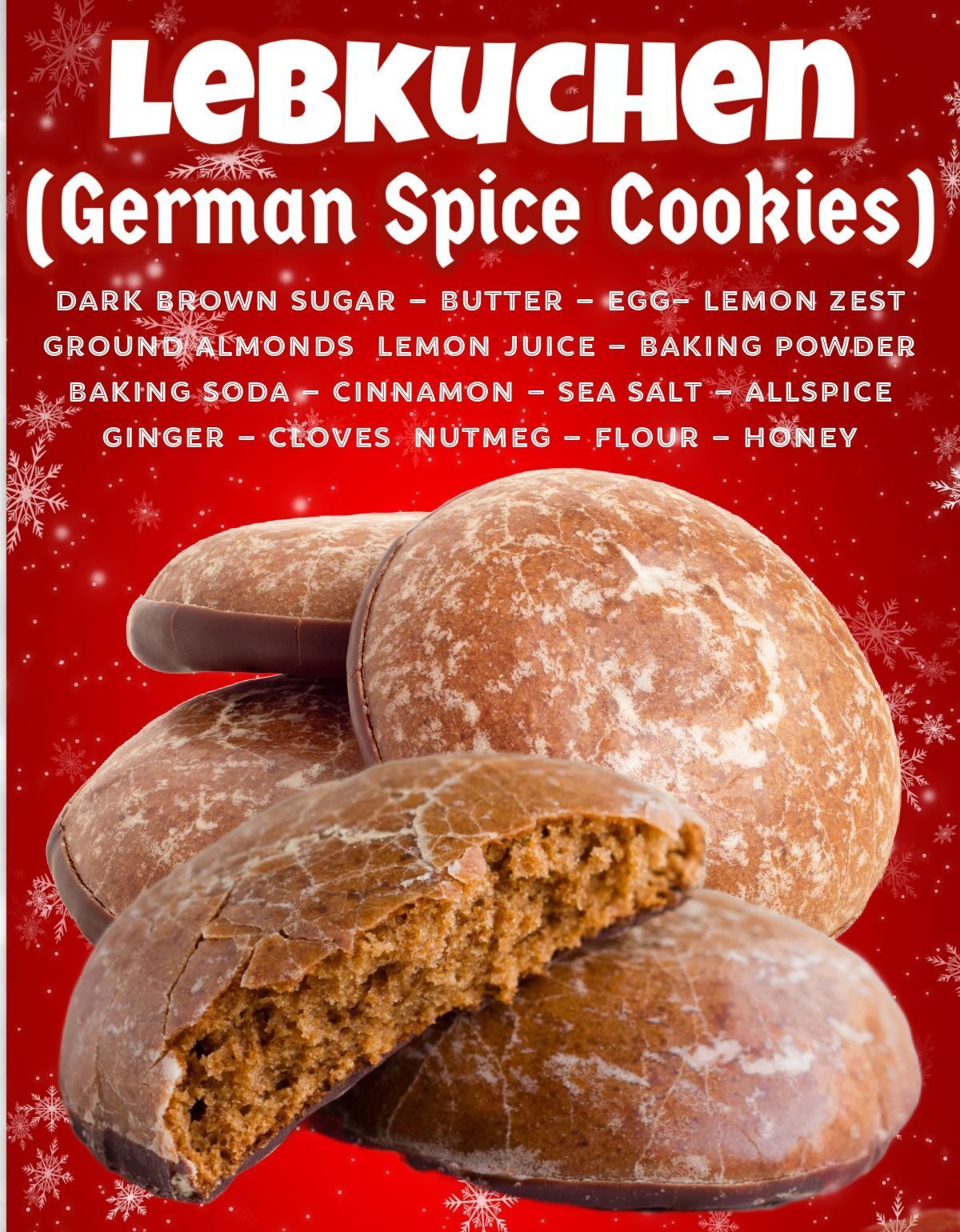
Lebkuchen, often called German Gingerbread, is a beloved holiday treat that has been enjoyed for centuries across Europe. Its warm spices, tender texture, and rich aroma instantly evoke the cozy feeling of Christmas markets, snow-dusted streets, and festive celebrations. Unlike traditional American gingerbread, Lebkuchen is softer, chewier, and more complex in flavor thanks to its unique blend of honey, nuts, spices, and citrus. Every bite feels comforting yet sophisticated, making it a standout holiday cookie that appeals to both traditionalists and adventurous bakers.
This recipe captures the authentic charm of old-world German baking while remaining approachable for home bakers everywhere. With a combination of warm spices like cinnamon, nutmeg, ginger, cloves, and cardamom, Lebkuchen offers a beautiful balance of sweetness and aromatic intensity. Whether glazed with a sugary icing, dipped in chocolate, or left plain, these cookies bring festive magic to every holiday gathering. They’re the kind of treat that fills the kitchen with nostalgic scents and brings joy as soon as the first tray emerges from the oven.
Why You’ll Love This Recipe
You’ll love this recipe because it delivers traditional German holiday flavors in a soft, aromatic cookie that’s easy to prepare, deeply spiced, and endlessly customizable, making it perfect for gift-giving, festive gatherings, and cozy winter evenings.
Ingredients
- 1 cup honey
- 1 cup brown sugar
- ½ cup unsalted butter
- 3 cups all-purpose flour
- 1 ½ cups finely chopped nuts (almonds or hazelnuts)
- 1 teaspoon baking soda
- 1 tablespoon ground cinnamon
- 1 teaspoon ground ginger
- ½ teaspoon ground cloves
- ½ teaspoon nutmeg
- ¼ teaspoon cardamom
- ½ teaspoon salt
- 1 large egg
- Zest of 1 lemon
- ½ cup candied orange peel, finely chopped
- ½ cup powdered sugar (for glaze, optional)
- 2–3 tablespoons milk (for glaze, optional)
- 1 cup melted chocolate (optional for dipping)
This recipe uses a traditional blend of honey, warm spices, nuts, and citrus to create authentic Lebkuchen flavor. Honey provides moisture, sweetness, and depth while also helping to preserve the cookies for longer storage. Brown sugar adds richness, and the combination of almonds or hazelnuts introduces a nutty warmth. Candied orange peel and lemon zest bring brightness that balances the spice. Optional glaze or chocolate dipping adds an extra layer of sweetness, making the cookies versatile for various preferences and occasions.
Equipment Needed
- Saucepan
- Mixing bowls
- Wooden spoon
- Whisk
- Baking sheet
- Parchment paper
- Cooling rack
- Measuring cups
- Measuring spoons
These tools help ensure smooth preparation and baking. A saucepan is needed to warm the honey, butter, and sugar, creating a unified base with beautiful flavor. Mixing bowls allow you to combine dry and wet ingredients separately, ensuring even distribution of spices and nuts. Parchment-lined baking sheets prevent sticking and help the cookies bake evenly. A cooling rack allows air circulation so the cookies cool properly without becoming overly soft on the bottom.
Step-by-Step Instructions
Begin by warming the honey, brown sugar, and butter together in a saucepan over medium heat. Stir frequently as the mixture begins to melt, creating a smooth, amber-colored liquid. Heating these ingredients helps soften the sugar and blend the flavors, forming the base that gives Lebkuchen its characteristic texture and color.
Once fully combined, remove the pan from the heat and let the mixture cool slightly so it doesn’t cook the egg in the next step. Allowing it to cool also makes handling the dough easier later on.
In a large mixing bowl, whisk together the flour, baking soda, spices, nuts, lemon zest, and candied orange peel. This step ensures that the spices are evenly dispersed throughout the dough, giving every cookie a well-rounded flavor.
The nuts and candied peel add texture and aroma that set Lebkuchen apart from traditional gingerbread. Combining these dry ingredients before adding the wet mixture helps prevent clumping and ensures consistent results.
Once the honey mixture has cooled to lukewarm, whisk in the egg until fully incorporated. Slowly pour the wet mixture into the dry ingredients, stirring with a wooden spoon until a thick, sticky dough forms. The dough may feel dense but pliable, which is exactly what you want for Lebkuchen. Cover the dough and allow it to rest for at least one hour—or overnight, if possible. This resting period allows the flavors to deepen and the dough to hydrate properly.
When you’re ready to bake, preheat the oven to 350°F (175°C) and line a baking sheet with parchment paper. Scoop small portions of dough and shape them into rounds or flattened ovals with lightly greased hands. Place them on the baking sheet with space between each cookie. Bake for 12–15 minutes or until the edges are set and the tops appear slightly puffed. Once baked, cool on a wire rack before glazing, dipping in chocolate, or serving plain.
Pro Tips for Best Results
Allowing the dough to rest is one of the most important steps for achieving authentic Lebkuchen texture and flavor. Resting softens the spices, allows the honey to fully hydrate the flour, and improves the tenderness of the cookie. If time allows, refrigerate the dough overnight for even better results. This step enhances the flavor beautifully while making the dough easier to handle.
Because this dough can be sticky, lightly greasing your hands or using a small ice cream scoop helps shape the cookies more easily. The dough should remain soft, so avoid over-flouring your hands or workspace, as this can dry out the cookies. Gentle handling produces the best texture and ensures the cookies rise properly in the oven.
If dipping in chocolate, use high-quality chocolate for the best flavor and texture. Melt the chocolate slowly in a double boiler or microwave in short intervals to avoid scorching. Dipping the cookies halfway creates a classic look, while fully coating them adds richness. Allow the chocolate to harden completely before storing the cookies to prevent sticking.
For the glaze, mix powdered sugar with just enough milk to create a smooth, pourable consistency. Brush or drizzle the glaze over warm cookies for a glossy finish that sets beautifully. The glaze enhances the spice flavor and adds a traditional bakery-style shine.
Common Mistakes to Avoid
One common mistake is skipping the dough resting time, which can lead to dense, dry cookies lacking flavor depth. Resting is essential for allowing the honey and spices to fully integrate. Without it, the texture becomes less chewy and the flavor less balanced. Taking time for proper hydration dramatically improves the final result.
Using too much flour can also dull the flavor and make the dough difficult to work with. Lebkuchen dough is naturally sticky, so resist the urge to add more flour unless absolutely necessary. Excess flour can cause the cookies to become dry and tough rather than soft and tender. Lightly greasing your hands is far more effective than adding extra flour.
Another mistake is overbaking the cookies. Lebkuchen should remain soft, not crispy. Removing them from the oven when the edges are just set ensures they stay tender as they cool. Overbaking leads to dryness and diminishes the candy-like texture that makes Lebkuchen so delicious. Keep a close eye on the final minutes of baking to prevent this.
Improper storage can also affect texture. If the cookies are left uncovered, they can dry out quickly. Storing them in an airtight container helps maintain moisture and allows the flavors to continue developing. Proper storage also helps the glaze or chocolate set firmly without becoming sticky.
Serving Suggestions
Lebkuchen pairs wonderfully with warm winter beverages like hot chocolate, spiced tea, or mulled wine. The spices in the cookies complement the aromatic notes in these drinks, creating a cozy and festive combination. For an elegant dessert platter, arrange the cookies with candied fruit, chocolate-dipped nuts, and holiday pastries. The variety of colors and textures makes the presentation especially inviting.
For holiday gift-giving, package the cookies in decorative tins, cellophane bags, or boxes tied with ribbon. Because Lebkuchen stays fresh for an extended period, it makes an excellent edible gift that travels well and holds up beautifully. Personalizing the packaging with festive labels, handwritten tags, or scented tissue paper adds an extra special touch.
Lebkuchen also makes a delightful addition to Christmas morning breakfasts or brunch tables. Serve them with fruit, pastries, and warm drinks for a sweet start to the holiday. Their warm spices and chewy texture make them a unique and memorable treat during the festive season.
For a dessert pairing, serve Lebkuchen alongside vanilla ice cream or a spiced whipped cream. The contrast of warm spices with cool, creamy textures creates a balanced and satisfying dessert experience. Adding a drizzle of honey or chocolate sauce can elevate the presentation even further.
Variations & Customizations
Try adding a chocolate base layer known as “Oblaten,” which is traditional in many German households. These thin baking wafers prevent the cookies from sticking and add a subtle crispness. They can be placed beneath each cookie before baking. This variation adds authenticity and enhances the texture of the final cookie.
You can also experiment with different nuts such as walnuts, pistachios, or pecans. While almonds and hazelnuts are the traditional choices, using alternative nuts creates unique flavors while maintaining the integrity of the recipe. Finely chopping the nuts ensures an even texture but leaving them slightly chunkier can add a pleasant crunch.
To modify the flavor profile, adjust or supplement the spices. Adding star anise, allspice, or even a small amount of black pepper can deepen the aroma and complexity. For those who enjoy a sweeter cookie, incorporate a bit of cocoa powder into the dough or drizzle the baked cookies with caramel. The spice blend is flexible and invites creativity.
For a more festive approach, dip half of each cookie in white chocolate and sprinkle with crushed candy canes or holiday sprinkles. This customization adds color and visual interest, making the cookies especially fun for parties. The sweetness from the chocolate also complements the spices beautifully.
How to Store, Freeze & Reheat
Lebkuchen stores exceptionally well, often tasting even better after several days as the flavors deepen. Keep the cookies in an airtight container at room temperature for up to two weeks. Place parchment paper between layers to prevent sticking, especially if glazed or dipped in chocolate. This storage method maintains freshness and enhances their aromatic qualities.
If you want to extend their shelf life, Lebkuchen freezes beautifully. Arrange the cookies in a single layer on a baking sheet and freeze until firm. Once frozen, transfer them to a freezer-safe container or bag. They can be frozen for up to three months without losing quality. Thaw them at room temperature for several hours before serving to restore their ideal texture.
Reheating Lebkuchen is generally unnecessary, as they are meant to be enjoyed at room temperature. However, if you prefer them slightly warm, heat them briefly in a low oven. Avoid microwaving, as it can soften or melt the glaze or chocolate coating unevenly. Slow, gentle warming in the oven preserves the integrity of the cookie.
For cookies dipped in chocolate, avoid stacking them until the chocolate has fully hardened. If stacking is necessary, use parchment paper between layers. Proper storage techniques ensure that each cookie remains visually appealing and delicious.
Nutrition Information
Lebkuchen is a sweet treat with moderate calories due to its honey, sugar, nuts, and chocolate components. While indulgent, it does offer some nutritional benefits from the nuts, such as healthy fats and protein. Honey also provides trace minerals and antioxidants, though these benefits are modest given the dessert nature of the recipe. Enjoying Lebkuchen in moderation is key to savoring its flavors while maintaining balanced eating habits.
The spices in Lebkuchen—such as cinnamon, ginger, and cloves—are known for their antioxidant and anti-inflammatory properties. While the amounts used in cookies are small, these spices do contribute subtle health benefits. However, the primary purpose of the spices is to create the warm, festive flavors associated with traditional German baking.
Sugar and flour form a significant portion of the cookie’s calories, so those monitoring carbohydrate intake should enjoy small servings. Adding the optional glaze or chocolate increases the sugar content further, making the cookies more indulgent. Nonetheless, Lebkuchen’s richness means a little goes a long way, allowing you to enjoy the flavor without excessive portions.
Overall, Lebkuchen is best viewed as a seasonal treat meant to be enjoyed with family and friends. Appreciating its historical and cultural significance adds to the enjoyment, making each bite feel special and festive. Balanced with mindful eating, Lebkuchen offers a delicious taste of tradition.
FAQ Section
1. Can I make Lebkuchen without nuts?
Yes, you can omit the nuts or replace them with sunflower seeds or finely chopped pumpkin seeds. The texture will change slightly, but the cookies will still be flavorful and soft.
2. Can I use fresh ginger instead of ground ginger?
Ground ginger provides a more consistent spice level, but you can add a small amount of finely grated fresh ginger for extra warmth. Use sparingly, as fresh ginger has a stronger, sharper flavor.
3. How long should I let the dough rest?
At least one hour is recommended, but overnight resting produces the best flavor and texture. The longer rest allows the spices and honey to fully blend into the dough.
4. Can I freeze the dough instead of the baked cookies?
Yes, you can freeze the dough for up to three months. Thaw it overnight in the refrigerator before shaping and baking to maintain its texture.
5. Why did my cookies turn out dry?
Dry cookies may be the result of overbaking or adding too much flour. Ensure you measure carefully and remove the cookies as soon as the edges are set.
Conclusion
Lebkuchen (German Gingerbread) is a warm, aromatic, and deeply traditional holiday cookie that captures the spirit of festive celebrations. With its rich blend of spices, honey, nuts, and citrus, it offers an unforgettable flavor that delights the senses. Whether enjoyed plain, glazed, or dipped in chocolate, Lebkuchen brings old-world charm and seasonal magic to any holiday table.