
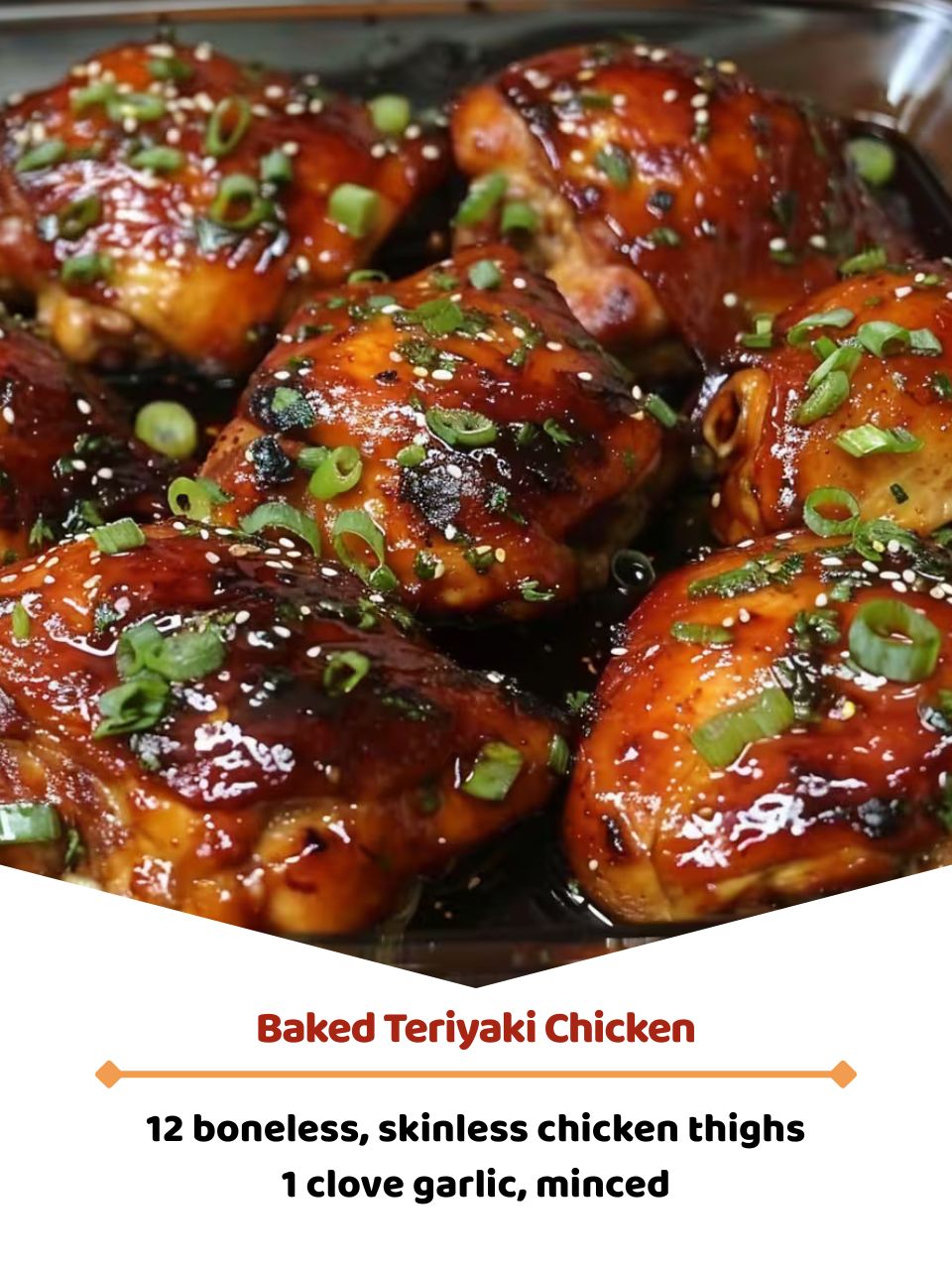
Baked Teriyaki Chicken is the intersection of comfort, convenience, and punchy, craveable flavor—a dish where tender pieces of chicken are glazed in a glossy, homemade teriyaki sauce, then roasted in the oven until sticky, caramelized, and aromatic. This classic Japanese-inspired recipe brings weeknight ease without sacrificing takeout-level satisfaction.
Whether served over white rice with a sprinkle of sesame seeds or alongside crisp, stir-fried vegetables, it’s a meal that delivers every time: easy prep, minimal clean-up, and a deeply satisfying sweet-salty umami punch.
Why You’ll Love It
There’s so much to love about Baked Teriyaki Chicken. The oven does all the work, keeping the chicken moist as the teriyaki sauce thickens to a beautiful lacquer—sticky on the outside, juicy on the inside. It’s a crowd-pleaser: kids adore the mild sweetness and adults appreciate the rich flavor. You control the ingredients: no bottled sauces needed, just pantry basics.
It’s perfect for meal prep, feasts, or even as an impressive party tray with sliced scallions and sesame for garnish. And because everything bakes together, it’s easy to add vegetables or swap in cuts like thighs, breasts, or drumsticks to suit any family.
Key Ingredients
- 2–2.5 lbs chicken thighs or breasts (boneless or bone-in, skin on or off)
- 1/2 cup low-sodium soy sauce (or tamari for gluten-free)
- 1/3 cup honey or brown sugar
- 1/4 cup rice vinegar or apple cider vinegar
- 2 tablespoons mirin (optional, for extra shine and complexity)
- 2 tablespoons sesame oil or neutral oil
- 3–4 garlic cloves, minced
- 1 tablespoon fresh ginger, grated (or 1 tsp ground ginger)
- 2 tablespoons cornstarch + 1/4 cup water (slurry for thickening)
- 2 tablespoons water (for sauce)
- 1 tablespoon toasted sesame seeds (for garnish)
- 2–3 green onions, sliced thin (for garnish)
- Optional: pinch of red pepper flakes, 1 tablespoon sriracha for heat
- Optional vegetables: broccoli florets, carrot rounds, snow peas, bell pepper slices
Preparation
Begin by preheating the oven to 400°F (200°C). Lightly grease a large baking dish or line with foil for easy cleanup. Pat the chicken dry and arrange in a single layer with a little room between each piece. Season lightly with salt and pepper.
In a medium saucepan, combine soy sauce, honey, rice vinegar, mirin (if using), sesame oil, garlic, ginger, and water. Bring to a simmer over medium heat, stirring often. In a small bowl, whisk cornstarch with 1/4 cup cold water until smooth, then whisk into the simmering sauce. Cook 2–3 minutes more, until thick, shiny, and the sauce coats the back of a spoon.
Pour two-thirds of the teriyaki sauce over the chicken, turning to coat. Reserve the remaining sauce for glazing or serving.
Bake chicken uncovered for 25–30 minutes (45–50 minutes for bone-in pieces), basting with pan sauce at least once. For extra caramelization, baste with reserved sauce in the last 10 minutes of cooking, or broil for 2–3 minutes at the end until glossy and sticky.
Remove from oven, tent with foil for 5 minutes, then top with sesame seeds and green onions. Drizzle with extra sauce before serving.
Technique, Tips & Tricks
The secret to perfect baked teriyaki chicken is twofold: thickening the sauce separately before baking (so it glazes, not runs) and basting toward the end for ultimate stickiness. Start with chicken at room temp for even cooking, and don’t crowd the pan—this allows for browning, not steaming.
For the glossiest finish, always thicken your teriyaki sauce before using. Marinate chicken in the cooled sauce for up to 24 hours in the fridge for deeper flavor, or pour sauce over chicken and bake immediately for speed.
Bone-in, skin-on thighs are most flavorful and forgiving, but boneless thighs or breasts work beautifully—reduce bake time to avoid drying out. Veggies like broccoli, bell pepper, or snap peas can be nestled around the chicken halfway through the bake.
If you want crispier skin, start by roasting the chicken plain, then glaze and broil in the last 10 minutes.
Substitutions and Variations
- For a gluten-free dish, use tamari instead of soy and check vinegar and mirin are GF.
- Make it sugar-free by using a monk fruit sweetener or sugar-free syrup in place of honey.
- Swap chicken for boneless pork chops, tofu, or salmon fillets for different proteins.
- Stir fry instead: sauté chicken and veggies in a hot skillet, add sauce, and simmer until thick.
- Use pineapple juice in place of some water for teriyaki Hawaiian chicken.
- For extra richness, stir 1 tsp butter into the sauce just before serving.
- Boost nutrition: bake with carrots, broccoli, or bok choy—just add in the last 20 minutes for crisp-tender results.
- Instead of oven, use a slow cooker: add chicken and sauce, cook LOW 4–5 hours, then thicken sauce on the stovetop and toss through before serving.
Serving Suggestions
Spoon teriyaki chicken over fluffy steamed jasmine or brown rice, garnished with green onions and sesame seeds. Serve alongside stir-fried or roasted vegetables—broccoli, carrots, snow peas, or bok choy fit perfectly.
As a party tray, slice and serve strips on a platter with extra sauce. For a meal-prep bowl, pair with rice or quinoa, crisp cucumbers, shredded carrot, and a wedge of lime.
For a low-carb meal, swap rice for cauliflower rice or a bed of greens. For sandwiches, slice teriyaki chicken and pile on brioche buns with slaw and spicy mayo.
As a family dinner, serve with miso soup, edamame, or pickled ginger for a more immersive experience.
Story & Origins
Teriyaki is a Japanese technique and flavor profile in which food is broiled or grilled and glazed with a sauce made chiefly of soy sauce, sake or mirin, and sugar. In the United States, “teriyaki” evolved to refer more generally to the sweet-savory sauce, often thickened and used as a marinade or glaze for chicken, beef, or fish.
Baked (rather than grilled) teriyaki chicken is a Western innovation, ideal for home cooks desiring the flavors of Japanese teriyaki without specialty equipment. The dish became a weeknight staple, especially as bottles of teriyaki sauce and familiar Asian pantry staples appeared in American supermarkets.
Today, homemade baked teriyaki chicken celebrates the original sweet-salty umami but lets you control sugar, sodium, and added flavors—making it both a nod to tradition and a mainstay in modern kitchens.
Nutrition Notes
This dish is high in protein, especially when using boneless skinless chicken breasts or thighs. To lighten, trim visible fat, use low-sodium soy sauce, halve the honey, and load up on added veggies.
Substitute maple syrup, brown rice syrup, or sugar-free alternatives for honey as needed. Garnish with plenty of fresh green onions and serve over a portion-controlled base (like brown rice or veggies) for a rounded meal.
Gluten-free is easy to achieve with the right sauces. For heart-healthy cooking, bake on a rack to let fat drip away, and use minimal oil for vegetables. Add more color (and nutrition) with stir-fried greens, shredded carrot, or snap peas.
Flavors & Pairings
Pair Baked Teriyaki Chicken with fresh, crisp textures and bright, palate-cleansing sides:
- Steamed or fried rice, roasted vegetables, and tangy pickled cucumbers create classic harmony.
- Try an Asian slaw with cabbage, carrots, sesame dressing, or a carrot-ginger salad for crunch.
- For a drink, pour citrusy sparkling water, ginger ale, or light lager; sake or white wine works for fancier meals.
- For lunchboxes, cool sliced chicken and pair with rice, sautéed edamame, and sliced oranges for a bento-inspired meal.
- For dessert, finish with fresh fruit, green tea ice cream, or coconut pudding.
Frequently Asked Questions
Can I use bottled teriyaki sauce?
Yes, but homemade is richer and lets you control the sweetness and saltiness. If using bottled, thicken with a cornstarch slurry before glazing chicken.
Can I marinate the chicken?
Absolutely—marinate up to overnight for maximum flavor, then bake as instructed.
What cuts of chicken work best?
Bone-in or boneless thighs are juicy and forgiving; breasts work but need less time to avoid drying. Drumsticks are fun for kids and parties.
Can I do this in a slow cooker?
Yes! Add sauce and chicken to the crock, cook LOW 4–5 hours, then thicken sauce on the stove if needed.
Is it freezer-friendly?
Cooked teriyaki chicken freezes well. Cool, slice, and pack in airtight containers; thaw and reheat gently.
How do I thicken my sauce?
Always whisk cornstarch into COLD water, then into simmering sauce for best results. Simmer until thick.
Can I make it vegan?
Certainly! Bake or pan-sear tofu or tempeh, and follow the same glaze steps.
How do I avoid dry chicken?
Don’t overbake, use a meat thermometer (165°F/74°C is perfect), and baste with sauce in the last 10 minutes.
Final Thoughts
Baked Teriyaki Chicken is a universally beloved meal—simple, bold, endlessly flexible, and sure to satisfy. With homemade teriyaki sauce and effortless oven roasting, every cook can deliver restaurant-worthy flavor at home. Whether as a quick meal, healthy bowl, or showy party platter, teriyaki chicken always delivers the goods—sticky, savory, and just sweet enough.