
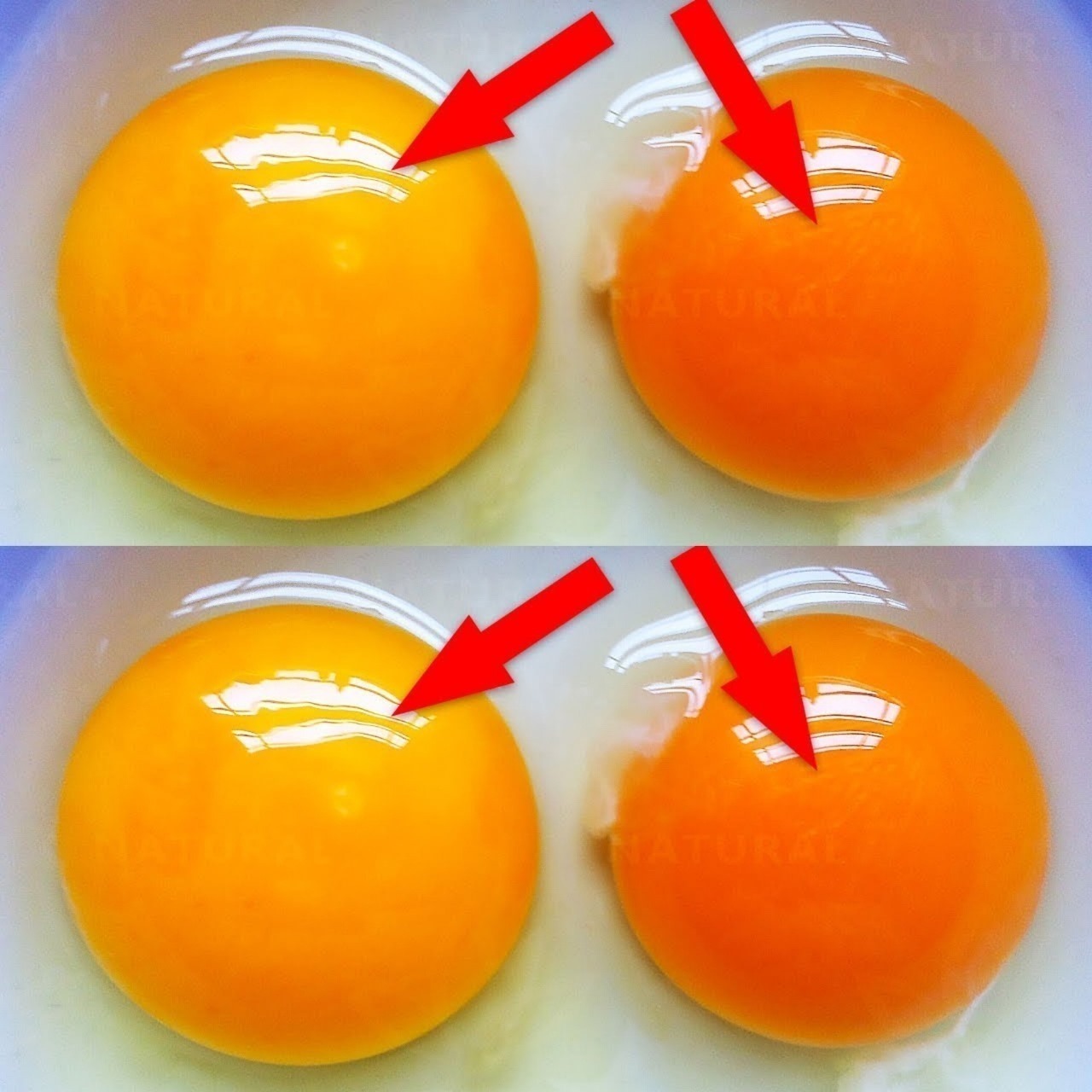
Eggs are loved worldwide for their flavor, nutrition, and versatility. Yet the color of the yolk varies, ranging from pale yellow to deep orange. These variations aren’t random—they reflect the hen’s diet and living conditions.
While many people assume yolk color indicates freshness, this is not always true. Instead, yolk shade is shaped mainly by what the hen consumes daily. Understanding these differences can help you choose better-quality eggs.
From nutrient levels to farming practices, yolk color offers hints about how the hen lived. A single cracked egg can reveal more than you might think about its source.
What Determines Egg Yolk Color?
A hen’s diet plays the biggest role in yolk color. Diets rich in natural pigments called carotenoids, found in foods like corn, greens, and marigold, produce vibrant orange yolks. These nutrients travel directly into the yolk, creating richer shades.
When hens eat standard commercial feed, the yolks tend to be pale yellow. These feeds include grains but lack carotenoid-heavy ingredients. The result is a lighter-colored yolk that still remains safe and nutritious.
Free-range hens often produce darker yolks because they eat insects, grasses, seeds, and plants. Their diverse diet naturally boosts pigment levels, leading to deeper, more vivid yolks.
What Yolk Color Tells You
A pale yellow yolk typically means the hen ate a simple, grain-based diet. It doesn’t make the egg unhealthy, but the flavor may be milder compared to others. Many commercial eggs fall into this category.
A deep orange yolk suggests the hen consumed nutrient-dense foods rich in carotenoids. These eggs often contain slightly more vitamins and healthier fats. Many people find them richer and tastier.
Unusual colors like greenish or grayish yolks usually result from cooking or oxidation. Feed additives can also influence odd shades, though they rarely signal any health danger when the egg is fresh.
Nutritional Insights
Research indicates that darker yolks may contain higher levels of antioxidants and omega-3 fats. This is due to the nutrient-rich plants and insects consumed by hens in natural environments. These small differences may benefit overall dietary quality.
However, both pale and dark yolks provide excellent nutrition. They offer protein, healthy fats, and essential vitamins regardless of color. This makes eggs a reliable and affordable source of nourishment.
Yolk color should not be the sole factor in assessing nutrition. Freshness, farming practices, and storage conditions matter just as much. Balance all factors when choosing eggs.
Tips for Choosing Eggs
Knowing the source of your eggs can make a difference in yolk quality. Pasture-raised and free-range eggs often have richer color and flavor due to better diets. Many shoppers prefer these options for their natural qualities.
Check the freshness date even if the yolk looks vibrant. Yolk color does not replace proper storage or expiration guidelines. Always refrigerate eggs promptly for safety.
Both light and dark yolks are healthy, so choose based on your preference. Some recipes benefit from richer yolks, while others work perfectly with lighter ones. Variety can enhance your cooking.
How Farming Practices Influence Yolk Color
Hens raised outdoors have access to plants, insects, and sunlight. This natural lifestyle tends to produce deeper, richer yolks with more pigments. Their diet is varied and naturally nutrient-dense.
In contrast, caged hens rely solely on commercial feed. Their yolks appear lighter because their diet lacks carotenoid-rich foods. Limited mobility and lack of foraging affect yolk vibrancy.
Organic and pasture-raised farms often prioritize high-quality feed. This results in eggs with stronger color, firmer whites, and improved flavor. Farming style makes a noticeable difference.
Flavor Differences Based on Yolk Color
Some chefs believe darker yolks offer richer flavor. A carotenoid-heavy diet may enhance creaminess and depth. This is why orange yolks are popular for gourmet recipes.
Lighter yolks still taste excellent but tend to be milder. They work well in baking and recipes where yolk color does not impact appearance. Their versatility makes them useful in everyday cooking.
Taste varies depending on the hen’s overall diet and environment. Yolk shade simply hints at what the hen ate, not necessarily the egg’s overall culinary value.
Common Myths About Yolk Color
Many believe darker yolks always mean healthier eggs, but this is not entirely true. While they may contain slightly more nutrients, the difference is usually minimal. Both yolk types remain nutritious.
Another myth is that pale yolks mean the egg is old or low quality. In reality, freshness has nothing to do with yolk color. Storage and diet are the real determining factors.
Some assume unnatural yolk colors signal danger. Most odd colors come from cooking reactions, not contamination. Proper storage ensures safety regardless of shade.
Conclusion
The color of your egg yolk reflects the hen’s diet and lifestyle more than anything else. Pale yellow, deep orange, or somewhere in between—all yolk colors can be nutritious and tasty.
Paying attention to yolk shade can help you understand farming practices and nutritional differences. But remember that freshness and handling matter just as much as color.
Next time you crack an egg, take notice of its yolk. It offers a simple, beautiful clue about where your food came from—and what the hen ate to create it.