
Beans are a staple in many kitchens worldwide. They’re affordable, satisfying, packed with nutrients, and come in endless varieties—black beans, kidney beans, chickpeas, pinto beans, and more. But for all their benefits, there’s one drawback that makes some people hesitate before ladling out a generous serving: the gas.
Fortunately, there’s a brilliant old-school hack for minimizing those pesky aftereffects and enjoying beans with ease.
Step 1: The Power of Soaking
Before you even start cooking, the foundation for a less gassy bean dish is a good soak. Place your dry beans in a large bowl and cover them with plenty of cold water, allowing them to sit overnight. This process softens the beans, ensures even cooking, and starts to break down some of the complex sugars responsible for gas.
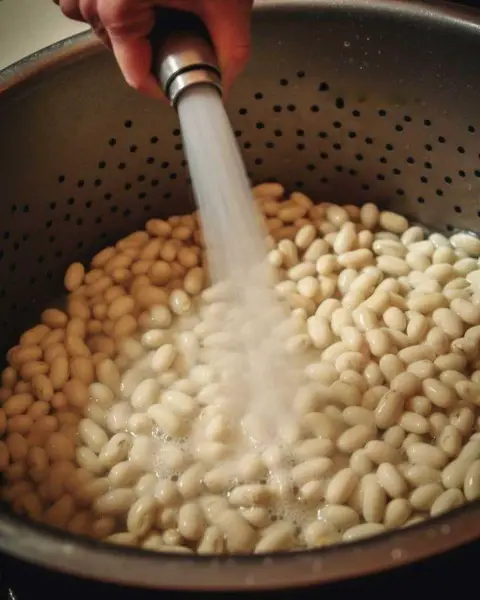
In the morning, drain all the soaking water and rinse the beans thoroughly—a crucial step for removing excess starches and some of the problematic compounds.
Step 2: Add the Secret Ingredient
Here’s where the magic happens: to your drained, soaked beans, add two teaspoons of baking soda along with enough fresh water in a deep pot. This simple pantry staple speeds up the breakdown of oligosaccharides (the sugars in beans that are difficult for humans to digest).
As you gently heat the beans, don’t be surprised when the water starts to foam. That foam is a good sign—evidence that the baking soda is working to neutralize some of the gas-causing compounds. Keep a close eye on the pot, as foaming can rise quickly.
Step 3: Boil, Drain, and Rinse
Once the foamy mixture reaches a boil, turn off the heat. You may notice the water looks a bit greenish or cloudy; that’s completely normal and safe. Drain the beans promptly, discarding the foamy water, and rinse the beans thoroughly under cold water.
This “double rinse” step eliminates both residual baking soda and the bitterness it can impart, leaving your beans clean, tender, and ready to cook.
Step 4: Cook Your Beans as Usual
With the cleansing prep complete, you can now cook your beans however you like. Return the rinsed beans to a clean pot, add plenty of fresh water and your favorite seasonings—bay leaves, onion, garlic, herbs—and simmer gently until they’re perfectly soft.
This method suits every bean-based dish you love: soups, stews, salads, chilis, and more.
Here is the only time we’ll use a handy bullet point list—these key tips to make the process even easier:
- Use a tall pot to help catch foam and prevent spills.
- Don’t skip the rinsing steps, as they ensure the final flavor is pure and eliminate any lingering bitterness.
- This method works with all varieties of dry beans, whether black, kidney, pinto, lima, or chickpeas.
Lady shows off her technique
This clever method is gaining popularity thanks to resourceful home cooks who share tips for stress-free, healthy meals. Social media videos often demonstrate how baking soda transforms the boiling process, making beans more digestible and the whole preparation smoother.
It’s simple, quick, and a fantastic fix for anyone who wants to enjoy beans more often—without the worry.
Ready to Cook and Share?
Once you’ve mastered this gas-free bean hack, you’ll find more reasons than ever to add beans to your favorite recipes. Whether you’re making a hearty stew, vegetarian chili, or a creamy bean soup, you can enjoy all the health benefits and delicious flavor—without the awkward side effects.
Give this method a try the next time you prepare dry beans and you might just discover a new kitchen secret worth sharing!