
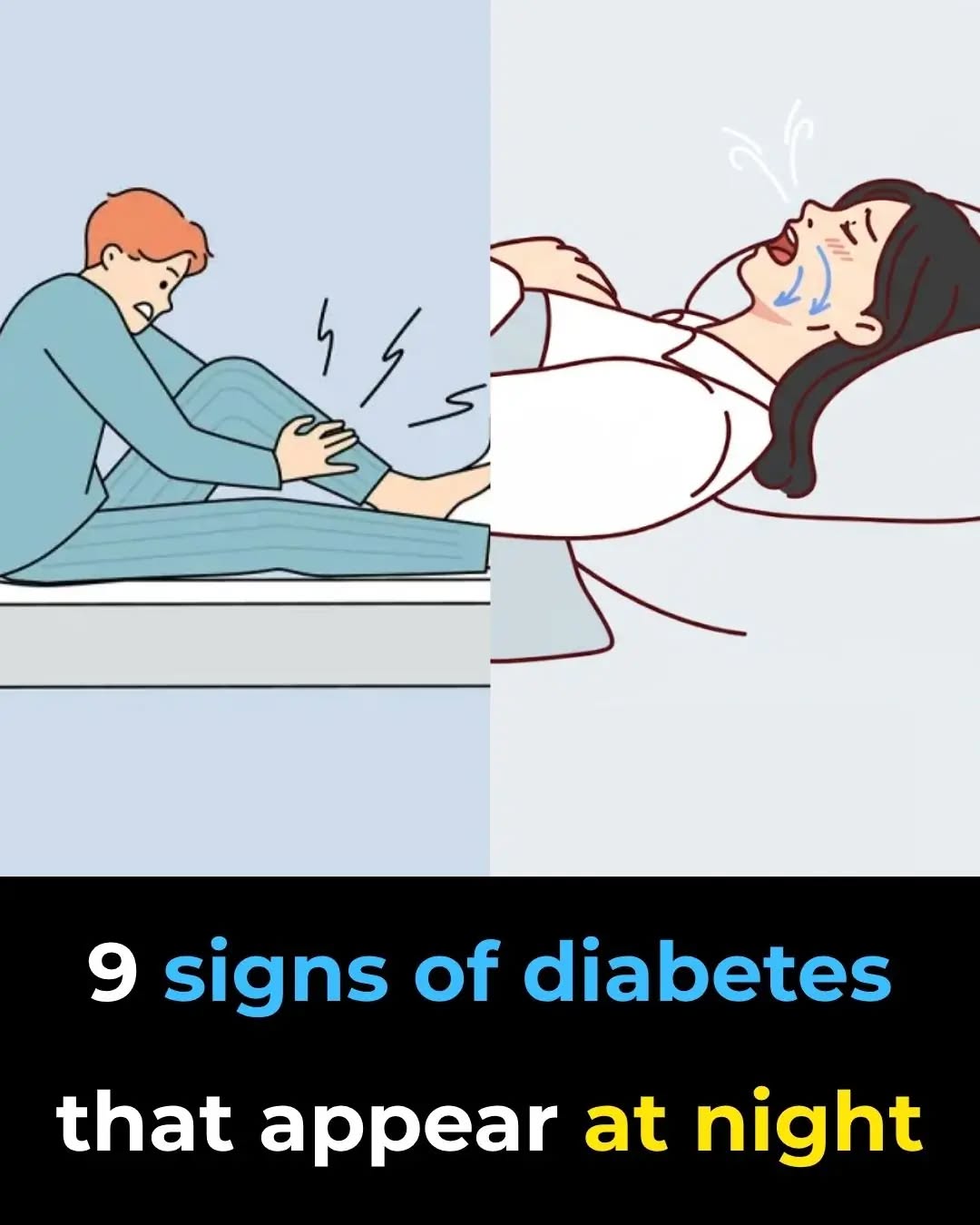
The Subtle Nighttime Clues You Can’t Ignore
Most people associate diabetes with daytime symptoms like frequent urination or excessive thirst, but many indicators appear only at night, silently affecting your sleep and overall health. Recognizing these early signs can help you prevent complications and manage blood sugar more effectively.
One of the first signs is frequent nighttime urination (nocturia). This happens because high blood sugar causes your kidneys to work overtime, pulling excess glucose from your blood and turning it into urine. Waking multiple times in the night to urinate may seem inconvenient, but it’s one of the earliest indicators of type 2 diabetes.
Tip: Keep a sleep and urination journal for a week to track patterns and discuss them with your doctor.
Another subtle clue is nighttime thirst, also called polydipsia. Your body loses fluids through frequent urination, leading to dehydration and an intense need to drink water. Many people assume waking up thirsty is normal, but when combined with frequent urination, it’s a red flag.
Tip: Hydrate with water instead of sugary drinks, and monitor how often thirst interrupts your sleep.
Restless or disrupted sleep is also a common nighttime symptom. High blood sugar can affect hormone levels and nerve function, leading to tossing, turning, and even cramps or tingling in the legs. People may blame stress or age, but these disturbances could indicate underlying diabetes.
Tip: Track your sleep quality with a wearable or app to identify persistent patterns.
Sudden night sweats are often overlooked but can be a warning sign. Diabetes affects your autonomic nervous system, which regulates sweating. Experiencing unexplained sweating at night—especially if accompanied by other symptoms—warrants a closer look.
Tip: Keep a small notebook by your bed to record occurrences, timing, and severity of night sweats.
Other early signs include burning or tingling sensations in the feet or hands. Peripheral neuropathy often begins subtly, causing discomfort that seems worse at night when you’re lying down. Many dismiss this as poor circulation, but it may be diabetes-related nerve damage.
Tip: Perform a simple self-check: press gently on your feet or hands; notice any numbness or pins-and-needles sensation. To uncover additional, less obvious nighttime signs and how they indicate your blood sugar may be off, see the next page.
Section 2: Advanced Nighttime Indicators You Might Overlook
Beyond the subtle symptoms, diabetes can manifest with more concerning nighttime effects that signal your body is struggling to regulate blood sugar. Recognizing these signs early allows you to take preventive action and avoid complications.
One significant clue is frequent nighttime headaches. Elevated glucose levels can cause dehydration and changes in blood flow, leading to morning headaches or headaches that wake you from sleep. These headaches are often dismissed as tension or stress-related, but when they occur consistently, they may indicate blood sugar fluctuations overnight.
Tip: Measure your fasting blood sugar in the morning for several days to see if elevated levels correlate with headaches.
Sudden vivid dreams or night terrors can also be linked to diabetes. High or fluctuating blood sugar can interfere with REM sleep and alter brain function, causing unusual dreams, restlessness, or even sleep disturbances.
Tip: Keep a dream journal alongside sleep tracking to identify patterns that may align with blood sugar changes.
A dry mouth or throat upon waking is another common yet overlooked sign. High blood sugar leads to dehydration, which often becomes most noticeable at night. You may wake up with a parched mouth, difficulty swallowing, or even a sore throat.
Tip: Avoid caffeine and alcohol before bed, which can worsen dehydration, and drink water earlier in the evening.
Increased nighttime urination paired with blurred vision is an advanced warning. Diabetes can affect fluid balance and the shape of your eye lens, temporarily altering vision. These changes are subtle at first but become more noticeable when blood sugar is persistently high.
Tip: Monitor vision changes and report them promptly to an optometrist or endocrinologist.
Another key indicator is frequent nighttime hunger or cravings, often for high-carb or sugary foods. The body may be signaling insulin resistance or low glucose in the brain at night, leading to disrupted sleep and overeating.
Tip: Incorporate a balanced dinner with protein, fiber, and healthy fats to stabilize blood sugar through the night. To discover the final critical signs and expert advice on what to do if you notice them, see the next page.