
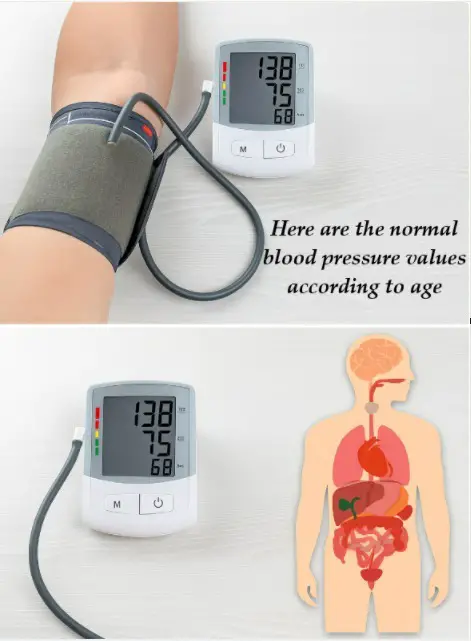
Normal blood pressure for adults is:
< 120 / < 80 mmHg
This value is recommended as the ideal by both the World Health Organization (WHO) and the American Heart Association (AHA).
Blood Pressure Categories
Reference table for systolic and diastolic blood pressure categories.
| Category | Systolic (mmHg) | Diastolic (mmHg) | Meaning |
|---|---|---|---|
| Normal Ideal | < 120 | < 80 | Ideal and healthy |
| Elevated Monitor | 120–129 | < 80 | Early warning — lifestyle changes recommended |
| High BP (Stage 1) Stage 1 | 130–139 | 80–89 | Mild hypertension |
| High BP (Stage 2) Stage 2 | ≥ 140 | ≥ 90 | Requires medical management |
| Hypertensive Crisis Emergency | > 180 | > 120 | Emergency — seek immediate care |
Note: this table is for informational purposes only. For diagnosis or treatment consult a healthcare professional.
Does Normal Blood Pressure Change With Age?
The healthy target remains the same at any age (below 130/80 mmHg), but average values tend to increase naturally:
Average Blood Pressure by Age
Approximate systolic and diastolic averages for common adult age ranges.
| Age | Avg Systolic | Avg Diastolic |
|---|---|---|
| 20–30 | ~115 | ~70 |
| 40–50 | ~125 | ~80 |
| 60+ | ~135 | ~85 |
➡️ Important: “Average” does not mean “healthy.”
Older adults still benefit from keeping BP below 130/80, unless a doctor advises otherwise.
What WHO Emphasizes
- 120/80 mmHg = ideal for adults
- Even slightly elevated BP increases the risk of:
- Heart attack
- Stroke
- Kidney disease
- Vision loss
How to Measure Blood Pressure Correctly
- Sit quietly for 5 minutes
- Feet flat, back supported
- Arm at heart level
- No talking during measurement
- Avoid caffeine, smoking, or exercise for 30 minutes
- Use a validated upper-arm monitor
- Take multiple readings at different times
Common Causes of High Blood Pressure
- Stress
- Inactivity
- High-salt diet
- Obesity
- Alcohol & smoking
- Poor sleep / sleep apnea
Most of these can be improved with lifestyle changes.
How to Maintain Healthy Blood Pressure
- Eat fruits, vegetables, whole grainsBuy vitamins and supplements
- Reduce sodium (1,500–2,300 mg/day)
- Exercise (30 minutes/day)
- Manage stress (breathing, meditation, yoga)
- Limit alcohol
- Monitor at home
- Consider the DASH Diet
❌ “If I feel fine, my blood pressure is okay.”
→ High BP often has no symptoms.
❌ “Only older people get high blood pressure.”
→ Increasing in younger adults.
❌ “Lower is always better.”
→ Too low can cause dizziness and fainting.
❌ “Needing medication is a failure.”
→ Hypertension is partly genetic; meds are often essential and effective.
Bottom Line
Normal blood pressure is below 120/80 mmHg — and knowing your numbers is one of the best things you can do for your long-term heart health.
Buy vitamins and supplements
If you want, I can also create:
📌 A simplified version
📌 A patient-friendly printable chart
📌 A social-media-ready summary
📌 A version optimized for a blog or newsletter