
Section 3: Critical Nighttime Symptoms and Actionable Steps
The final set of signs often signal more advanced blood sugar irregularities, and they should never be ignored. Early detection is crucial to preventing complications such as neuropathy, cardiovascular issues, and kidney damage.
One critical sign is frequent urination paired with unusual fatigue in the morning. Your body is expending extra energy trying to balance glucose levels, leaving you tired and drained. Many assume this is normal aging, but persistent fatigue alongside nocturia is a red flag.
Tip: Track morning energy levels and fasting glucose; discuss patterns with your doctor.
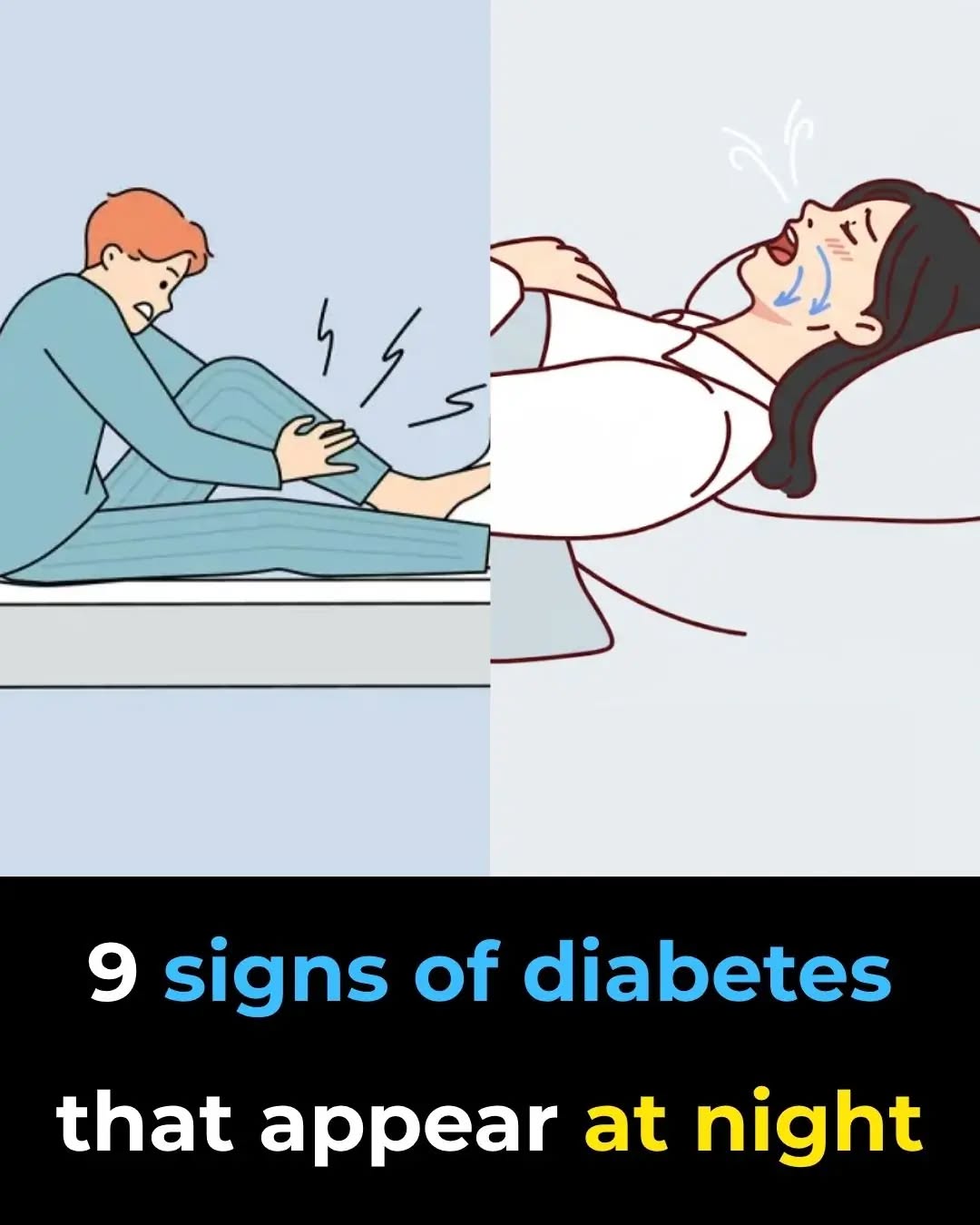
Nighttime cramps or muscle weakness are also common. Electrolyte imbalance due to high blood sugar can lead to muscle contractions or discomfort while sleeping. Over time, these cramps may worsen if blood sugar remains uncontrolled.
Tip: Stretch before bed, stay hydrated, and consider discussing magnesium or potassium levels with your healthcare provider.
Finally, worsening peripheral neuropathy at night is a severe indicator. Tingling, burning, or numbness in the hands or feet often becomes more noticeable when lying still. This symptom indicates nerve involvement that requires prompt attention.
Tip: Regular foot care, nighttime elevation, and reporting symptoms early can prevent severe complications.
Recognizing all 9 of these nighttime signs allows you to take proactive steps to protect your health. Regular checkups, blood sugar monitoring, a balanced diet, exercise, and hydration are essential. Never ignore subtle changes in your body—they may be your earliest warning system.