
Common Mistakes to Avoid
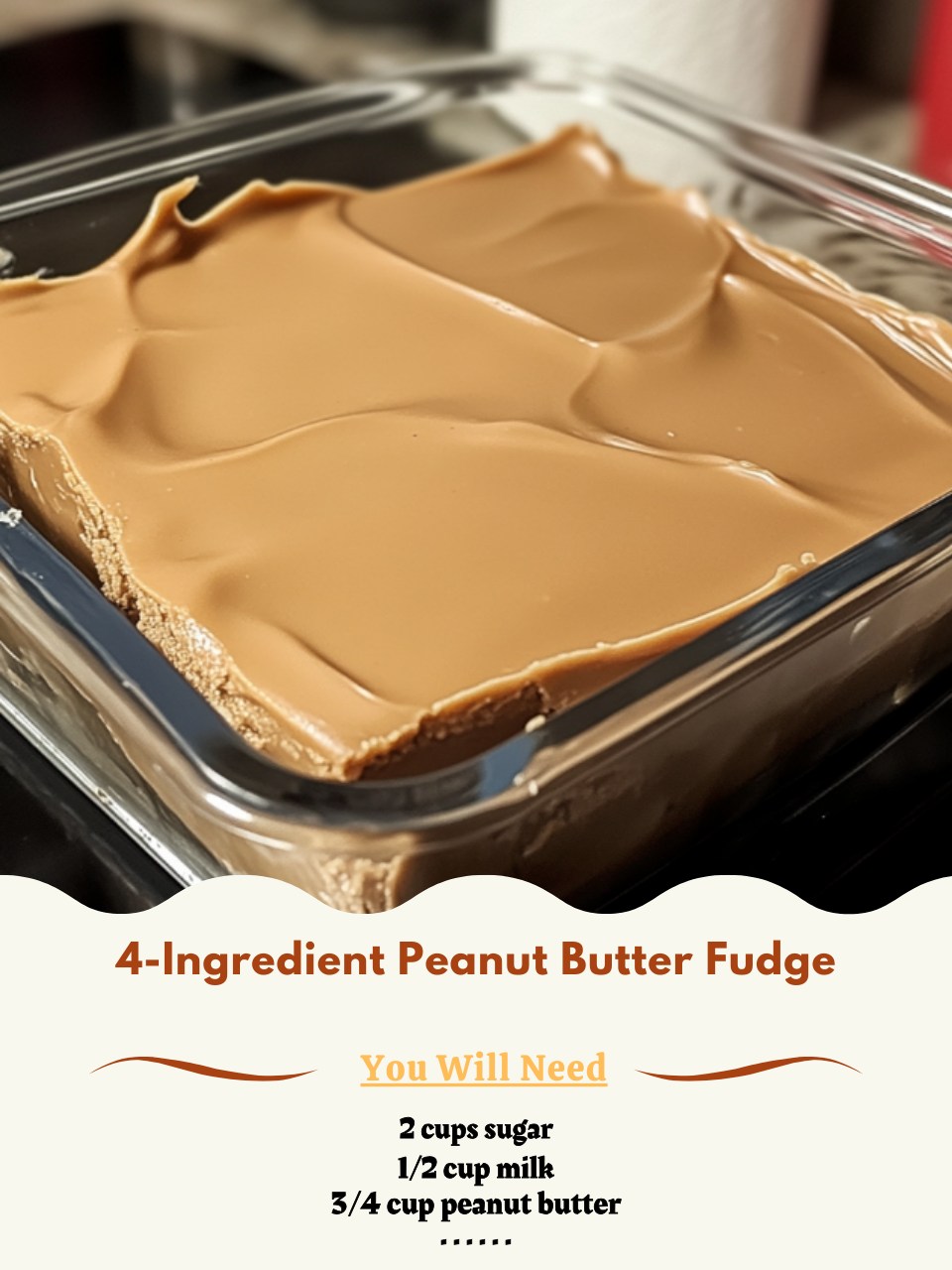
My first-ever batch was a grainy, sugary mess because I stirred the mixture after it came to a boil. The agitation caused the sugar to crystallize prematurely. Once it boils, put down the spoon and just let it be. Swirling the pan gently is the only movement you need.
Using natural peanut butter was my second big mistake. The separation of oils is a fudge-killer. You need the stabilized, emulsified consistency of conventional creamy peanut butter. Don’t make my mistake; it makes a huge difference in achieving that smooth, melt-in-your-mouth texture.
Not using a heavy-bottomed pot can lead to scorching. The sugar can burn on the bottom of a thin pot before the rest reaches the correct temperature, giving your fudge a bitter taste. A good, thick saucepan distributes the heat evenly and protects your candy.
Rushing the cooling process by putting the warm fudge in the fridge will cause condensation, which can make the top sticky and promote sugar “bloom.” Let it set slowly and gracefully at room temperature for the best texture and appearance.
Serving Suggestions
I love cutting this fudge into small, neat squares and arranging them on a vintage plate. It’s so rich that a little piece is perfectly satisfying, especially with a cup of black coffee to balance the sweetness.
For a wonderful homemade gift, I stack the squares in a clear cellophane bag tied with a ribbon, or layer them in a festive tin. It’s a heartfelt present that shows you took the time to make something from scratch, and it’s always a huge hit.
It also makes a fantastic addition to a holiday dessert tray, paired with other cookies and treats. Its creamy texture and classic flavor are a welcome contrast to crunchy or fruity desserts.
Variations & Customizations
For a “Chunky” version, stir in 1/2 cup of chopped, salted peanuts right after you finish beating the fudge, just before pouring it into the pan. The added crunch and salt are incredible.
You can swirl in other flavors. After pouring the fudge into the pan, dollop a few spoonfuls of melted chocolate or jam on top and drag a knife through it for a marbled effect.
For a different nut butter flavor, you can substitute the peanut butter with an equal amount of smooth almond butter or cashew butter. The process is exactly the same, and it yields a wonderfully unique, creamy fudge.
How to Store, Freeze & Reheat
Once completely set and cut, store the fudge in an airtight container at room temperature. It will keep beautifully for up to two weeks. I separate layers with parchment paper to prevent sticking.
This fudge freezes exceptionally well. Place the squares in a single layer in a freezer-safe container, separated by parchment paper. It will keep for up to 3 months. Thaw overnight in the refrigerator or at room temperature for a few hours.
There is no need to reheat fudge. It is meant to be enjoyed at cool room temperature for that perfect, firm-yet-creamy texture. If your kitchen is very warm, you can store it in the fridge to keep it firm.
Conclusion
This 4-Ingredient Peanut Butter Fudge is a little jar of culinary alchemy. It has brought so much sweet joy to my kitchen, from the mesmerizing process of making it to the delighted faces of those who try it. I hope this recipe gives you the same confidence and comfort, proving that the most beloved treats are often the simplest to create. Happy candy-making!