
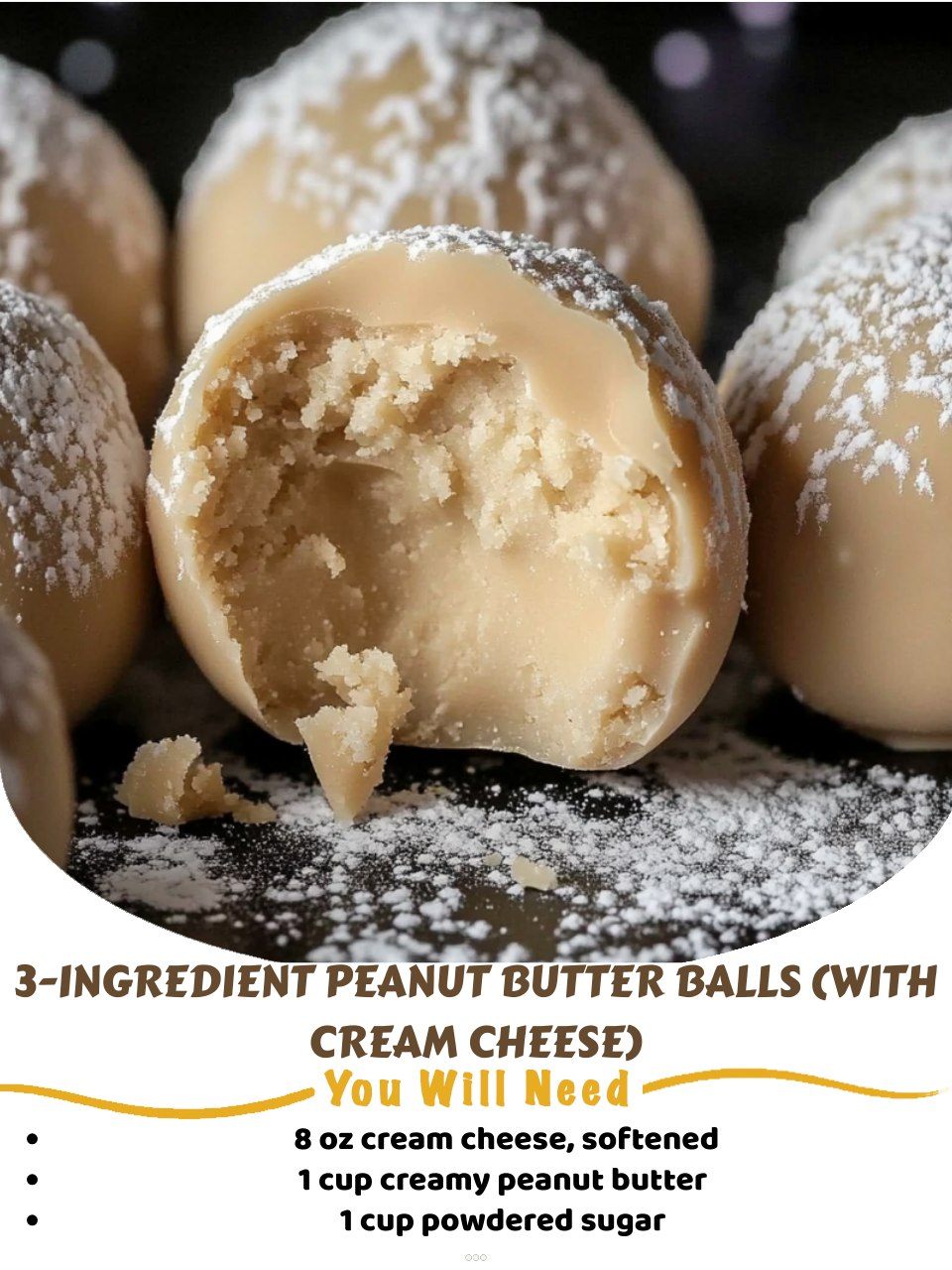
Once those two ingredients are fully incorporated, I gradually add the powdered sugar. This is the point where the dough transforms from soft and creamy into something moldable and thick enough to shape. I’ve learned not to dump the sugar in all at once because adding it gradually keeps the mixture from becoming too dry. When everything is mixed, I scrape the dough together into one cohesive mound—it should feel soft but firm enough to hold a shape without sticking aggressively to your hands.
Finally, I use a small cookie scoop or spoonfuls of dough to roll each ball between my palms. The dough is pleasantly pliable, and shaping them always feels relaxing, almost therapeutic. I arrange them on a parchment-lined sheet, and once the whole batch is rolled, I pop them into the fridge to chill. After about 30 minutes, they firm up beautifully, turning into creamy, melt-in-your-mouth treats that hold their shape perfectly.
Pro Tips for Best Results
I tested this recipe a few different ways, and one thing I learned quickly is that temperature matters. If your cream cheese isn’t softened properly, the mixture becomes grainy and never smooths out completely. Softening the cream cheese to room temperature makes a huge difference in ensuring the texture of your peanut butter balls is perfectly creamy.
Another tip I discovered is that not all peanut butters blend the same way. Natural peanut butters tend to separate and create an oily mixture if you don’t stir them really well first. If you want guaranteed smoothness every time, the classic shelf-stable creamy peanut butter works best. Trust me—after one batch of unpredictable natural peanut butter texture, I switched back immediately.
I also found that chilling the dough for 10 minutes before rolling can help if your kitchen is warm or your peanut butter is extra soft. Slightly firming the mixture beforehand keeps the balls from sticking to your hands and allows you to shape perfect rounds with almost no effort. This isn’t mandatory, but it saves time and frustration on hot days.
Finally, don’t skip chilling the finished peanut butter balls. Even though they taste great right after rolling, the texture improves dramatically when they’ve had a chance to firm up. Chilled peanut butter balls have that smooth, truffle-like consistency that makes them truly irresistible.
Common Mistakes to Avoid
The biggest mistake you can make is using cold cream cheese. I made this mistake the first time, and no amount of mixing could get rid of those tiny cream cheese lumps. They disrupted the texture, and the peanut butter balls didn’t feel as smooth. Avoid this by letting your cream cheese soften naturally on the counter until it’s easy to press with your finger.
Another common mistake is adding too much powdered sugar. It’s tempting to toss in extra when you want the mixture to firm up quickly, but too much sugar turns the dough dry and chalky instead of creamy. The mixture should be firm enough to roll but still soft and silky—if it feels crumbly, you’ve gone too far.(See the next page below to continue…)