
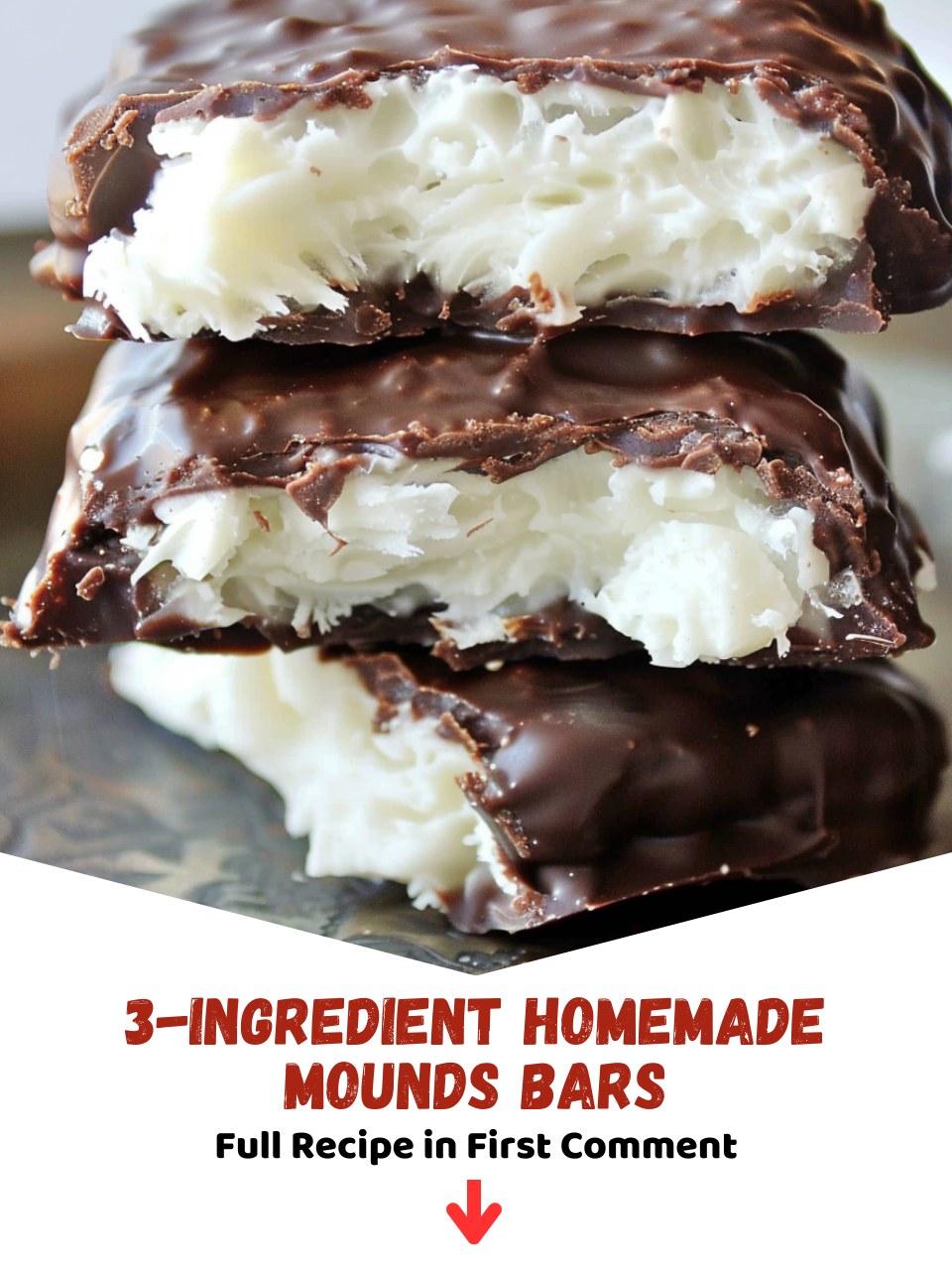
Finally, the chocolate coating. I chop my chocolate bar finely for even melting. I prefer using a double boiler (a heatproof bowl set over a pot of barely simmering water, ensuring the bowl doesn’t touch the water) for the most controlled melt. I stir it gently until it’s just smooth and glossy. Using a fork, I dip each firm coconut bar into the chocolate, let the excess drip off, and place it on a parchment-lined tray. I sometimes use a second fork to help slide it off neatly. I let them set at room temperature if my kitchen is cool, or in the fridge for about 15 minutes until the chocolate is firm and snappy.
Pro Tips for Best Results
The single most important tip is to pack the coconut mixture incredibly tightly into the pan. I tested this three different ways: a gentle press, a firm press, and what I call the “body-weight press.” The difference is stark. The gently pressed batch fell apart when dipped. The firmly pressed batch held but was fragile. The “body-weight press” batch—where I really leaned into it—produced dense, chewy, perfect centers that held up to dipping and biting. Don’t be shy; compact it as much as humanly possible.
Toasting the coconut is not an optional step for the best flavor. However, you must let it cool before adding the condensed milk. I made the mistake of mixing them while the coconut was still hot, and it made the condensed milk too runny, creating a greasy, loose mixture that refused to set properly. Let the toasted coconut cool on the sheet for at least 10-15 minutes. It should be warm, not hot, to the touch.
For a truly professional-looking chocolate shell, temper your chocolate. I know it sounds fancy, but for a small batch like this, a simple “seed” method works: melt about ⅔ of your chopped chocolate, then remove it from the heat and stir in the remaining ⅓ until it melts. This helps the chocolate set firmly with a shine and a snap. If you simply melt and cool, the chocolate can be soft, dull, and melt too easily in your hands. That extra two minutes of stirring makes a world of difference in texture and appearance.
Common Mistakes to Avoid
My first batch was a crumbly disaster because I didn’t use enough pressure when forming the base. I simply patted the coconut mixture into the pan. When I went to cut and dip them, they shattered. The coconut center must be a solid, compact block. Think of it like pressing down on a snowball to make it hard—you need that same intention. Use the flat bottom of a measuring cup or a small glass wrapped in parchment if your hands need help.(See the next page below to continue…)