
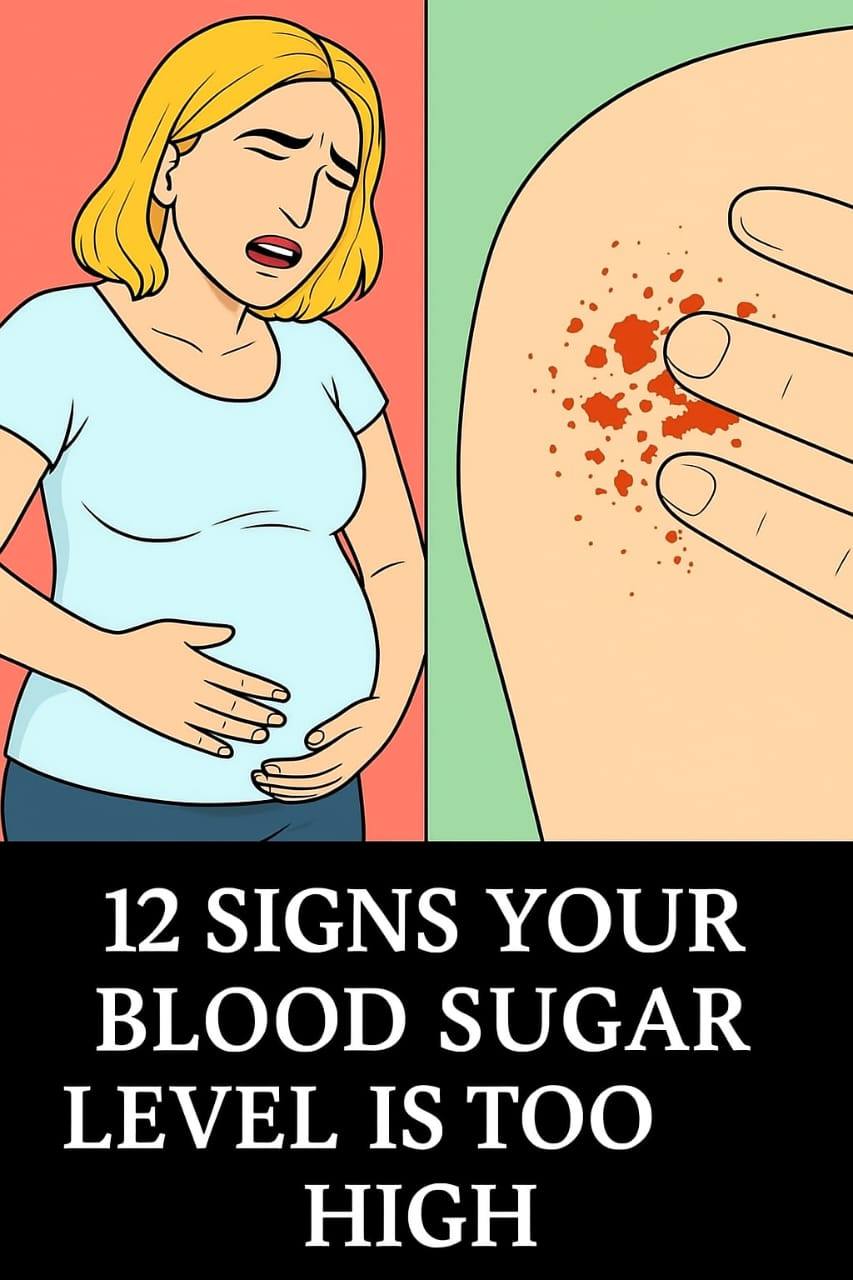
The 12 Silent Signals Your Body Sends
1. Frequent Urination (Especially at Night)
If you’re making extra trips to the bathroom, especially waking multiple times at night, your kidneys might be trying to eliminate excess glucose through urine. This is one of the most common early warning signs. When blood sugar is high, your kidneys work overtime to flush out the excess sugar, causing you to urinate more frequently.
2. Excessive Thirst
Constantly feeling parched despite drinking water? High blood sugar pulls fluid from tissues, including your mouth, leading to persistent thirst. No matter how much you drink, you can’t seem to quench your thirst. This creates a frustrating cycle of excessive drinking and urination.
3. Unusual Fatigue and Lethargy
Your cells can’t properly use glucose for energy when insulin is inefficient. This results in persistent exhaustion that doesn’t improve with rest. You might feel like you’re moving through molasses or struggle to get through the day, even after a full night’s sleep.
4. Unexplained Weight Gain or Loss
High blood sugar can trigger weight gain as your body stores excess glucose as fat. Conversely, if your body can’t utilize glucose properly, you might experience sudden weight loss. Both patterns warrant investigation.
5. Blurred Vision
High blood sugar can cause the lens of your eye to swell, affecting your ability to focus clearly. You might notice that colors seem washed out or that reading becomes more difficult. This can develop gradually or appear suddenly.
6. Slow-Healing Cuts and Sores
Elevated blood sugar impairs your immune system and slows wound healing. A minor cut that should heal in a few days lingers for weeks. This is particularly noticeable on your feet and extremities.
7. Frequent Infections
Yeast infections, urinary tract infections, and skin infections become more common when blood sugar is high. Your elevated glucose levels create an ideal environment for bacterial and fungal growth. Women might notice recurring yeast infections, while others develop frequent skin infections.
8. Tingling or Numbness in Hands and Feet
High blood sugar damages blood vessels and nerves (a condition called neuropathy). You might notice a “pins and needles” sensation, especially in your feet. This can progress to more serious nerve damage if left untreated.
9. Mood Changes and Brain Fog
Blood sugar imbalances directly affect your neurotransmitters, leading to mood swings, anxiety, and inability to concentrate. You might feel irritable for no apparent reason or struggle to focus on tasks you normally handle easily. Memory issues can also appear.
10. Dry, Itchy Skin
High blood sugar reduces your skin’s ability to retain moisture. You might notice persistent dryness and itching, even after applying lotion. In some cases, you might develop patches of darker skin (a condition called acanthosis nigricans), often appearing in creases.
11. Increased Hunger Despite Eating
Even after a full meal, you might feel ravenous. This happens because your cells aren’t receiving glucose properly, so your body keeps signaling that it needs more energy. You might find yourself constantly thinking about food or reaching for snacks.
12. Headaches and Dizziness
Blood sugar fluctuations affect your brain’s blood flow and neurotransmitter balance, potentially causing headaches and dizziness. You might feel lightheaded after meals or experience pressure headaches that regular painkillers don’t relieve. (See next page for the planning and what you have to do)